U.S. and Israel Unleash “Epic Fury”: Preemptive Strikes Decimate Iranian Strategic Assets
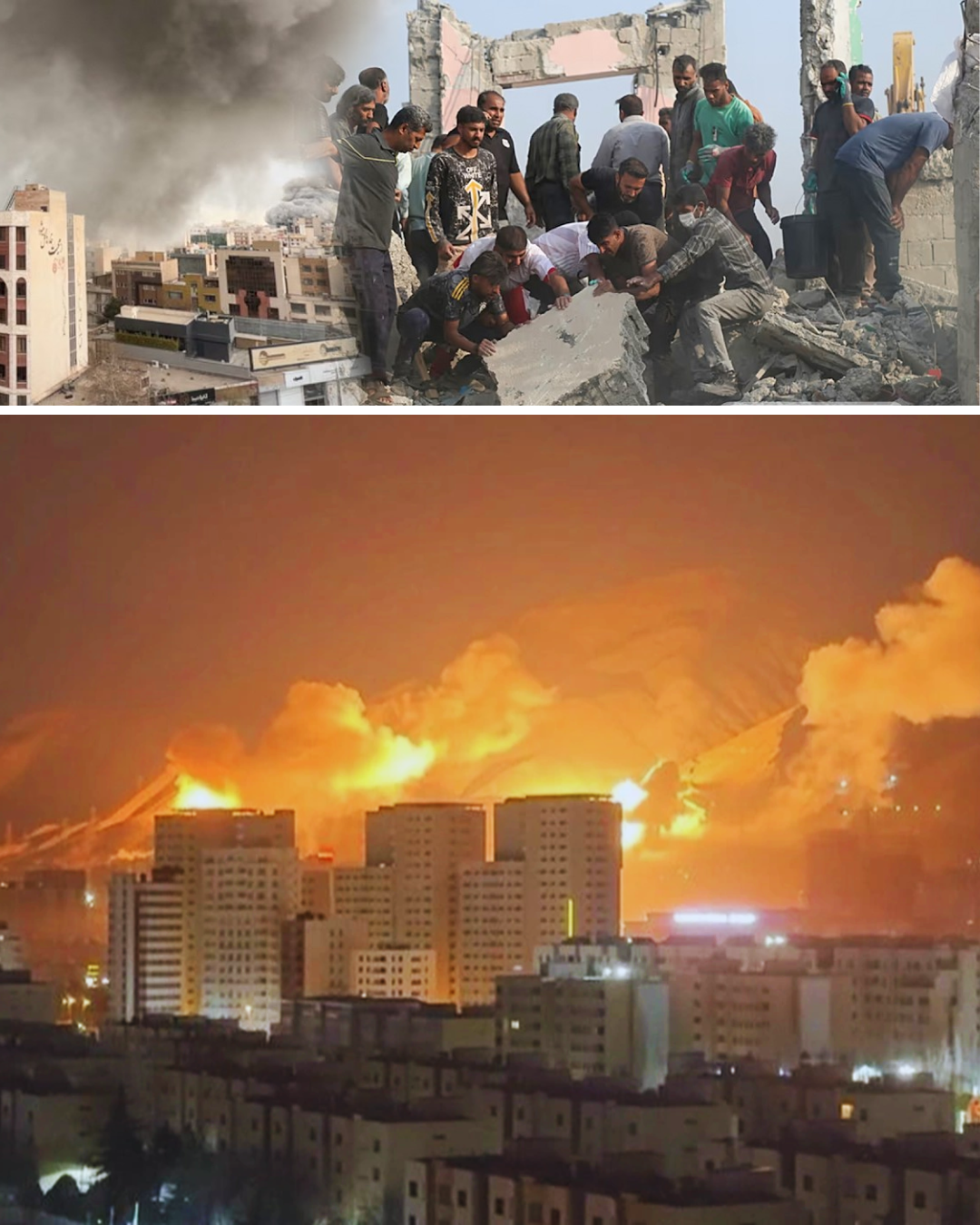
WASHINGTON D.C. / TEL AVIV — The Middle East has entered a state of unprecedented military escalation following a massive, coordinated preemptive strike launched by the United States and Israel against Iran. Described by Washington as the “most significant concentration of firepower in the region in a generation,” the offensive has fundamentally altered the geopolitical landscape of the Persian Gulf.
Operation “Epic Fury” and “Roar of the Lion”
On the morning of February 28, the United States Central Command (CENTCOM) initiated “Operation Epic Fury,” while the Israeli Defense Forces (IDF) launched a simultaneous campaign titled “Operation Roar of the Lion.” The coordinated assault utilized precision-guided munitions launched from air, land, and sea, targeting Iran’s missile infrastructure and nuclear-related facilities.
U.S. officials confirmed the extensive use of Tomahawk cruise missiles launched from naval destroyers and the deployment of High Mobility Artillery Rocket Systems (HIMARS) by ground forces. Simultaneously, carrier-based fighter jets were scrambled to neutralize Iranian air defenses and command centers.
The Fall of the Supreme Leader
In a development that has sent shockwaves through the international community, Iranian state media confirmed that Supreme Leader Ali Khamenei was killed during the initial waves of the U.S.-Israeli strikes in Tehran. The news triggered a 40-day period of national mourning and sparked massive demonstrations across major Iranian cities, including Isfahan, Qom, and Mashhad, with thousands of citizens demanding immediate military retaliation.
Tehran’s Massive Retaliation
The Iranian military response was swift and of a scale rarely seen in modern warfare. Over a 48-hour window, Tehran reportedly launched 1,311 missiles and unmanned aerial vehicles (UAVs) against targets across the region.
The retaliation targeted bases housing U.S. forces in more than six countries, including the UAE and Bahrain. The “rain of missiles” caused significant damage to civilian and luxury infrastructure in the Gulf, with debris from interceptions falling near Dubai’s Jebel Ali port and the Palm Jumeirah. In Bahrain, the Sheikh Isa Airbase was a primary target, with the IRGC claiming to have destroyed command buildings and fuel storage tanks.
Diplomatic Fallout and Global Markets
The offensive has drawn sharp condemnation from Moscow and Beijing. Russian President Vladimir Putin engaged in urgent diplomatic “firefighting,” holding telephone consultations with the leaders of Saudi Arabia, the UAE, Bahrain, and Qatar to prevent a total regional collapse. Both Russia and China have labeled the strikes a violation of international law and the UN Charter.
The conflict has also triggered immediate economic volatility. Global oil prices spiked 13%, with Brent crude surging past $82 per barrel as markets reacted to the potential closure of the Strait of Hormuz. Analysts warn that if the blockade of this vital energy corridor continues, U.S. gasoline prices could soon exceed $3.50 per gallon.
Current Status
While President Donald Trump has stated that the operation is proceeding ahead of schedule—claiming the Iranian leadership was dismantled in a single day—the Pentagon has warned that the conflict is far from over. With confirmed U.S. casualties and the Iranian military vowing a “protracted struggle,” the world remains on high alert as the “Epic Fury” continues to unfold across the Middle East.