Operation Epic Fury: U.S. and Israel Decimate Iranian Strategic Assets in Unprecedented Offensive
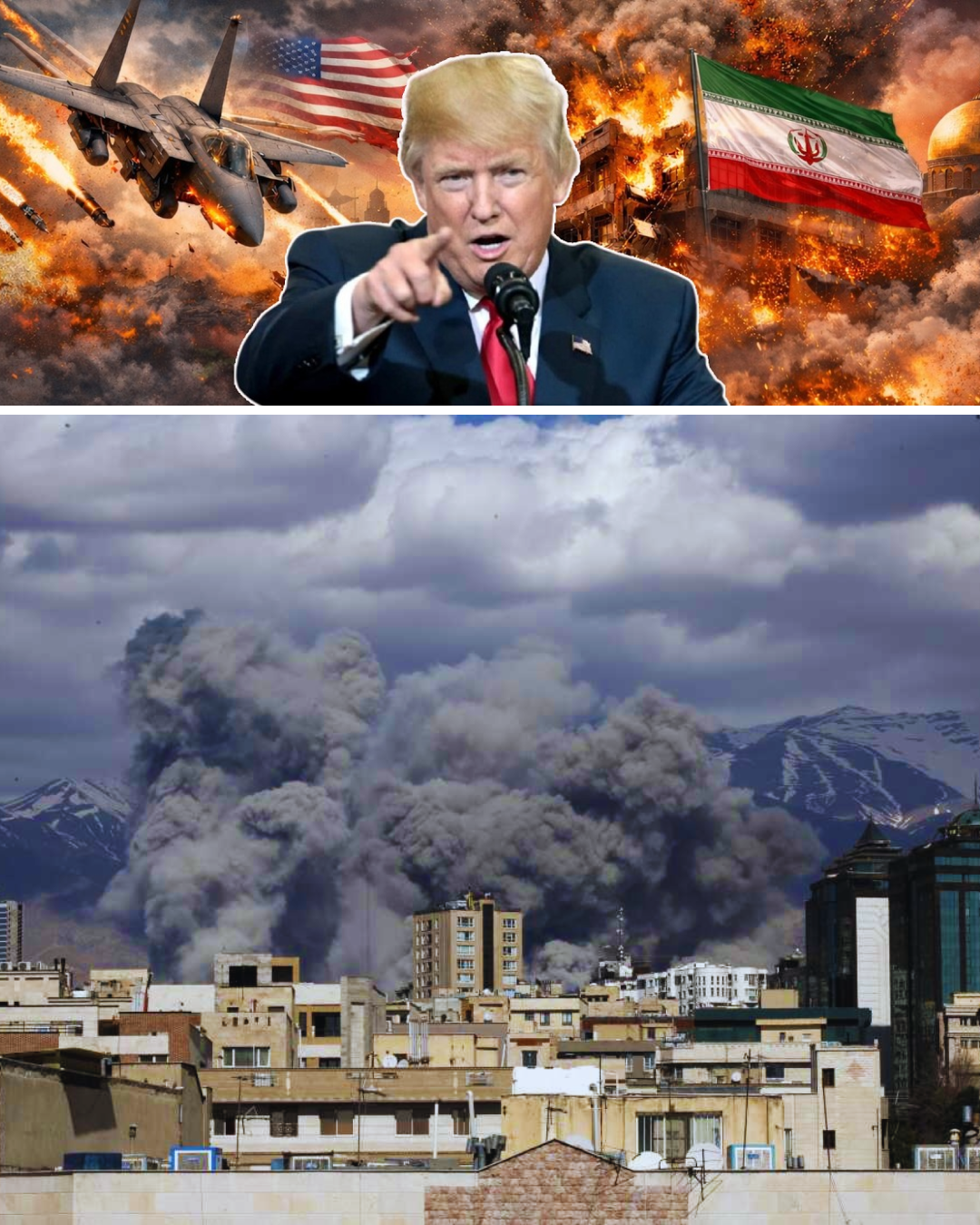
WASHINGTON D.C. — The geopolitical landscape of the Middle East has been fundamentally reshaped following a massive, coordinated military campaign launched by the United States and Israel against Iran. Dubbed “Operation Epic Fury” by Washington and “Operation Roar of the Lion” by Tel Aviv, the offensive represents the most significant concentration of regional firepower in a generation, aimed at dismantling Tehran’s nuclear and missile infrastructure.
The Precision of “Epic Fury”
The campaign commenced in the early hours of February 28, utilizing a sophisticated triad of air, sea, and land-based precision weaponry. U.S. Central Command (CENTCOM) recently released declassified footage showcasing the sheer scale of the assault. The videos depict naval destroyers launching Tomahawk cruise missiles and the deployment of B-2 Spirit stealth bombers, which traveled from the U.S. mainland to strike hardened, deep-buried missile facilities with 900kg bunker-buster bombs.
The technological superiority of the coalition was further evidenced by the operational debut of the “Lucas” drone—a cost-effective kamikaze UAV designed to overwhelm enemy radar systems. Alongside these assets, fifth-generation F-35 Lightning II stealth fighters and F/A-18 Super Hornets were instrumental in neutralizing Iranian air defense networks, allowing the coalition to achieve air superiority over Tehran within the first 24 hours of the conflict.
A Decapitation Strike and National Mourning
In a development that has sent shockwaves through the international community, Iranian state media confirmed the death of Supreme Leader Ali Khamenei during the initial waves of the bombardment. This “decapitation strike” has left a significant power vacuum in Tehran, prompting the Iranian government to declare 40 days of national mourning. Thousands of Iranians have reportedly taken to the streets in cities like Isfahan and Mashhad, demanding immediate and severe military vengeance against the “aggressors.”
Tehran’s Massive Retaliation
The Iranian military response was swift and far-reaching. Over a 48-hour period, the Islamic Revolutionary Guard Corps (IRGC) launched an estimated 1,311 missiles and suicide drones at U.S. and coalition targets across more than six countries. The retaliatory “rain of fire” targeted American bases in the UAE, Qatar, and Bahrain.
The fallout from these strikes was felt acutely in civilian areas. Debris from intercepted missiles fell over Dubai’s luxury hubs, including the Palm Jumeirah and Jebel Ali port, while the Sheikh Isa Airbase in Bahrain suffered damage to its command buildings and fuel reserves. The Pentagon has confirmed the first U.S. casualties of the campaign, with three service members killed and several others seriously injured during the exchanges.
Economic Shockwaves and Diplomatic Deadlock
The conflict has triggered immediate volatility in global energy markets. As fears of a total blockade of the Strait of Hormuz—the world’s most vital energy chokepoint—intensified, Brent crude prices surged by over 13%, surpassing $82 per barrel. Shipping giants, led by Maersk, have already suspended transits through the region, opting for the longer and more costly route around Africa.
On the diplomatic front, the international community is sharply divided. While U.S. House Speaker Mike Johnson defended the operation as a “defensive necessity” to prevent an inevitable Iranian strike on U.S. assets, Moscow and Beijing have issued stern condemnations. Russian President Vladimir Putin engaged in emergency “firefighting” diplomacy, holding urgent consultations with Gulf leaders to prevent a total regional collapse, while China described the strikes as a “serious violation of international law.”
A Precarious Future
Despite President Donald Trump’s assertions that the campaign is proceeding ahead of schedule and that the Iranian leadership was dismantled in a single day, military analysts warn of a long road ahead. With Iranian officials categorically rejecting any diplomatic overtures and vowing a “protracted struggle,” the world remains on a knife-edge.
The White House continues to frame the mission as a decisive move to ensure Iran never possesses nuclear weapons. However, with the specter of ground intervention still on the table and regional tensions at an all-time high, the ultimate resolution of “Operation Epic Fury” remains uncertain.