Middle East in Flames: Iran Launches “Total Counter-Attack” Following Decapitation Strike by US-Israeli Forces
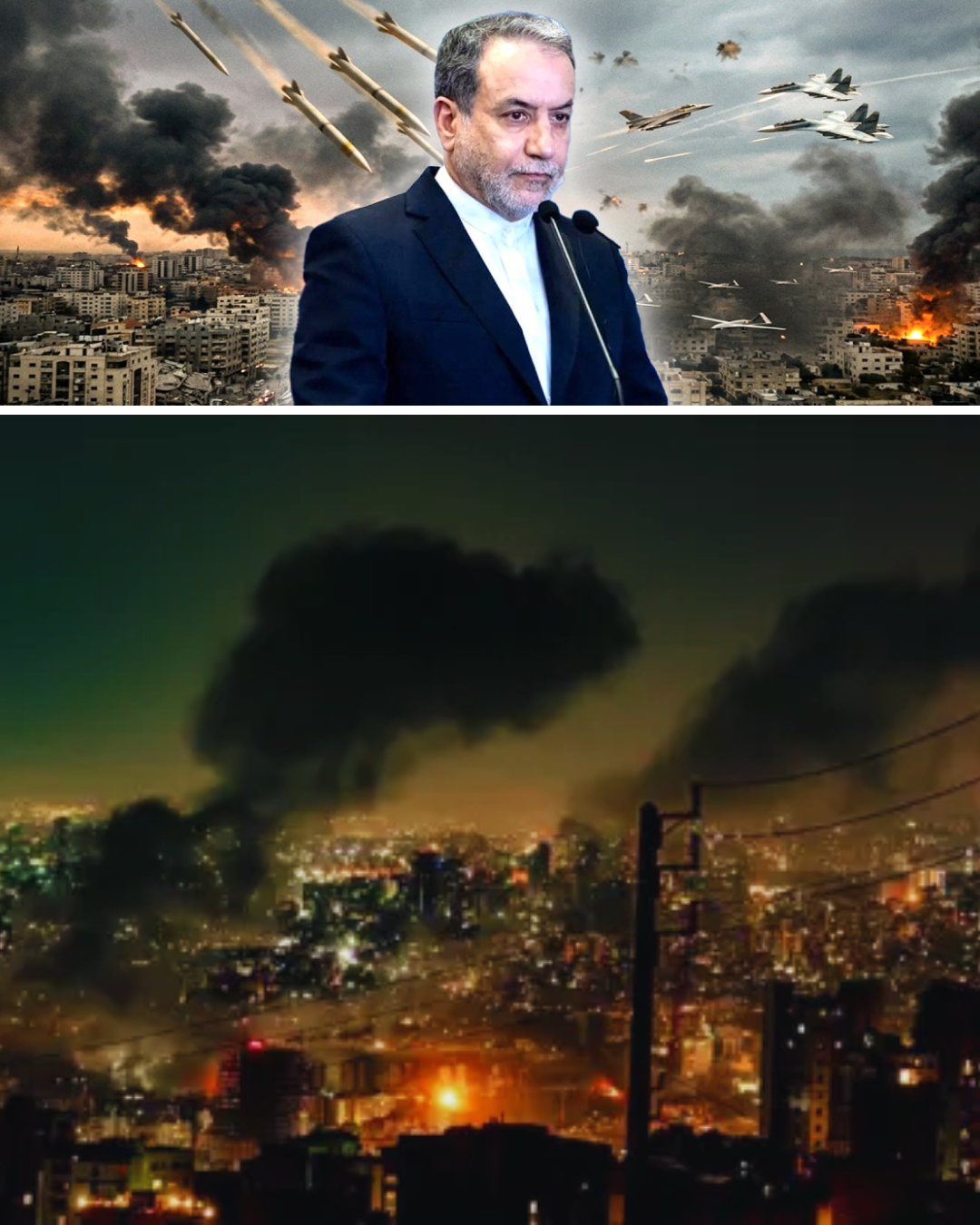
TEHRAN / WASHINGTON D.C. — The Middle East has descended into a state of total war as Iran unleashed a massive wave of retaliatory strikes against U.S. and Israeli assets across the region. This follows the initiation of “Operation Epic Fury,” a preemptive campaign that has already resulted in the death of Iran’s Supreme Leader and decimated large portions of the country’s military infrastructure.
The Decapitation of Tehran’s Leadership
The conflict reached a critical tipping point following coordinated U.S. and Israeli airstrikes on February 28. In a development that has sent shockwaves through the global community, Iranian state media confirmed the death of Supreme Leader Ayatollah Ali Khamenei during the initial bombardment of Tehran. President Donald Trump, in a defiant statement, framed the move as a necessary preemptive strike to prevent alleged Iranian assassination plots and nuclear advancement. “I knocked him out before he knocked me out,” Trump asserted, claiming the operation had eliminated 48 high-ranking Iranian officials within the first 24 hours.
Iran’s “Rain of Fire” Retaliation
In response to the loss of their leader, the Islamic Revolutionary Guard Corps (IRGC) declared a 40-day period of national mourning and launched its most aggressive military response in history. Over a 48-hour window, Tehran fired an estimated 1,311 missiles and kamikaze drones at 27 U.S. and Israeli military bases scattered throughout the Middle East.
The retaliation has not been limited to military installations. Major civilian and economic hubs in the Gulf have felt the impact:
-
Bahrain: Sheikh Isa Airbase suffered significant damage to its command centers and fuel storage.
-
UAE: Debris from intercepted missiles caused fires near Dubai’s Jebel Ali port and luxury developments on the Palm Jumeirah.
-
Kuwait: An American F-15E Strike Eagle crashed during operations, though both pilots reportedly ejected safely.
Technological Warfare and “Epic Fury”
The U.S. Central Command (CENTCOM) has showcased the overwhelming technological superiority of its “Epic Fury” campaign. For the first time, B-2 Spirit stealth bombers were deployed directly from the U.S. mainland to target hardened underground bunkers with 900kg precision bombs. The campaign also saw the combat debut of the “Lucas” drone—a cost-effective ($35,000 per unit) one-way attack UAV designed to overwhelm Iranian radar systems. Meanwhile, B-1 Lancer bombers have been striking deep into Iranian territory to systematically dismantle their ballistic missile production facilities.
Economic Warfare: The Hormuz Chokepoint
Beyond the kinetic battlefield, Iran has played its most potent economic card: the closure of the Strait of Hormuz. As the IRGC announced the suspension of the world’s most vital energy corridor, global markets reacted with immediate volatility. Brent crude oil prices surged by 13%, surpassing $82 per barrel. Shipping giants, including Maersk, have suspended all transits through the region, opting for the longer route around the Cape of Good Hope. Analysts warn that if the blockade persists, U.S. gasoline prices could soon exceed $3.50 per gallon, creating immense political pressure on the White House.
Human Cost and Global Fallout
The human toll of the conflict is mounting rapidly. Iranian authorities report that at least 555 people have been killed nationwide, including nearly 200 children in a single strike on a school in southern Iran. In response to the escalating danger, the U.S. State Department has issued an emergency order for its citizens to evacuate 16 Middle Eastern countries immediately.
Internationally, the strikes have faced stern condemnation from Moscow and Beijing, with China labeling the operation a “serious violation of sovereignty.” Domestically, President Trump faces a bipartisan push for a War Powers Resolution, as lawmakers argue that the scale of the conflict requires formal congressional approval.
A Precarious Future
As Iran vowing “unprecedented punishment” for the death of its leader and the U.S. preparing for a “massive surge” in operations over the next 24 hours, the international community remains on high alert. The “Epic Fury” of Washington and the “Roar of the Lion” from Jerusalem have set in motion a regional upheaval whose ultimate conclusion remains dangerously uncertain.