Global Turmoil: Iran Strikes NATO Territory as U.S.-Israeli “Lion’s Roar” Decapitates Tehran Leadership
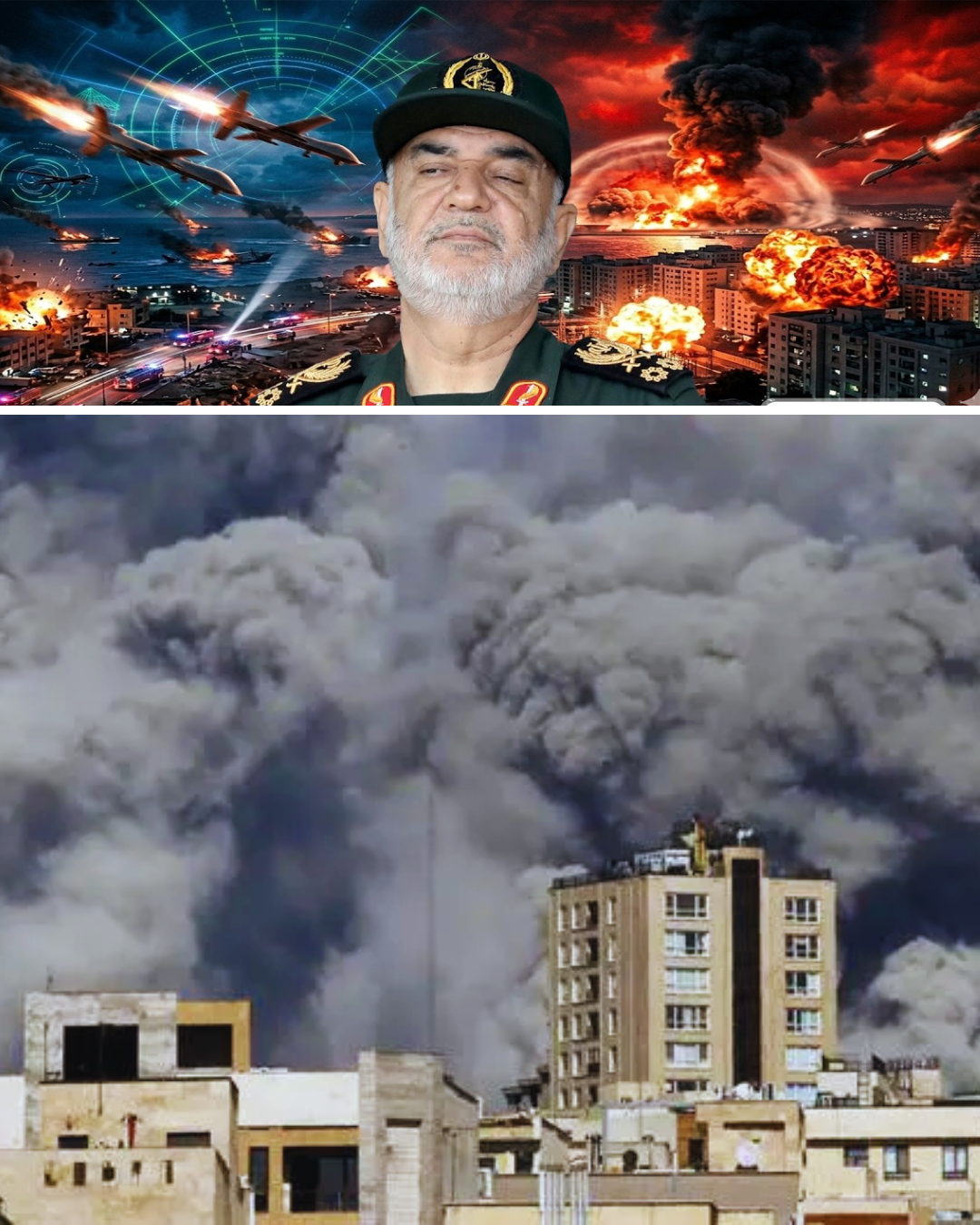
TEHRAN / BRUSSELS — The world has entered a period of profound geopolitical instability following a dual-front escalation in the Middle East and Eastern Europe. While U.S. and Israeli forces have successfully executed a “decapitation strike” against Iran’s supreme leadership, Tehran has retaliated by targeting U.S. bases across the Gulf and striking a sovereign British territory, raising the specter of a broader NATO involvement.
The Fall of the Ayatollah and “Operation Lion’s Roar”
On February 28, the United States and Israel launched a massive, coordinated offensive titled “Operation Lion’s Roar.” The campaign targeted over 1,250 strategic locations across Iran, including command centers, ballistic missile silos, and naval assets. In a development that has fundamentally altered the regional balance of power, Iranian state media confirmed the death of Supreme Leader Ayatollah Ali Khamenei, along with dozens of high-ranking military and political officials.
Reports indicate that the strikes capitalized on severe security lapses within Tehran’s inner circle. Intelligence sources suggest that Israeli agents tracked the movements of high-level officials through the mobile phones of their bodyguards, leading to a precise strike on the headquarters of the Supreme National Security Council. Despite the imminent threat of war, the Iranian leadership had reportedly gathered in an above-ground facility, a decision that proved fatal.
NATO Territory Under Fire: The Akrotiri Incident
In a dramatic expansion of the conflict, an Iranian-made Shahed-136 kamikaze drone targeted the RAF Akrotiri airbase in Cyprus. While the damage was reported as minor and no personnel were injured, the implications are severe: the base is considered sovereign British territory. As the United Kingdom is a founding member of NATO, the strike on Akrotiri could theoretically trigger Article 5—the alliance’s collective defense treaty.
The Iranian retaliation did not stop at Cyprus. Tehran launched a “total counter-attack,” firing over 1,300 missiles and drones at U.S. military installations in eight countries, including Qatar, Kuwait, the UAE, and Saudi Arabia. Satellite imagery has contradicted U.S. claims of minimal damage, showing significant destruction at the U.S. 5th Fleet headquarters in Bahrain, where several high-rise buildings and missile defense radars were reportedly obliterated.
Ukraine’s Strategic Offer: A Bargain for Peace
Amid the chaos in the Middle East, Ukrainian President Volodymyr Zelenskyy has introduced a novel diplomatic proposal. Recognizing the shared threat of Iranian drone technology—which has been used extensively by Russia in its invasion of Ukraine—Zelenskyy offered to send Kyiv’s top drone interception experts to the Gulf.
However, the offer is conditional. Zelenskyy requested that Middle Eastern leaders, who maintain close ties with the Kremlin, persuade President Vladimir Putin to agree to a one-month ceasefire in Ukraine. “Our experience in air defense is irreplaceable,” Zelenskyy stated, emphasizing that Ukraine’s knowledge of Iranian Shahed vulnerabilities could be a vital asset for Gulf nations currently under fire.
Global Economic and Humanitarian Fallout
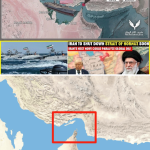
The conflict has sent shockwaves through global energy markets. With Iran’s official closure of the Strait of Hormuz, Brent crude oil prices have spiked by 13% to over $82 per barrel. Shipping giants like Maersk have suspended all transits through the region, opting for the longer route around Africa, which is expected to drive up global inflation and gasoline prices.
The humanitarian cost is equally staggering. Iranian authorities report that at least 555 people have been killed, including 165 schoolgirls in a single strike on a primary school in southern Iran. In response, the U.S. State Department has ordered the immediate evacuation of American citizens from 16 Middle Eastern countries.
A Precarious Future
As the U.S. prepares for a “massive surge” in operations over the next 24 hours, the international community remains deeply divided. While the White House frames the mission as a necessary step to prevent a nuclear-armed Iran, Moscow and Beijing have issued stern condemnations. With the death of the Supreme Leader, analysts warn that Iran may abandon its doctrine of “strategic patience” in favor of a more violent, nationalist struggle for survival.