Russia Warns of Global Economic Catastrophe as Iran Closes Strategic Strait of Hormuz
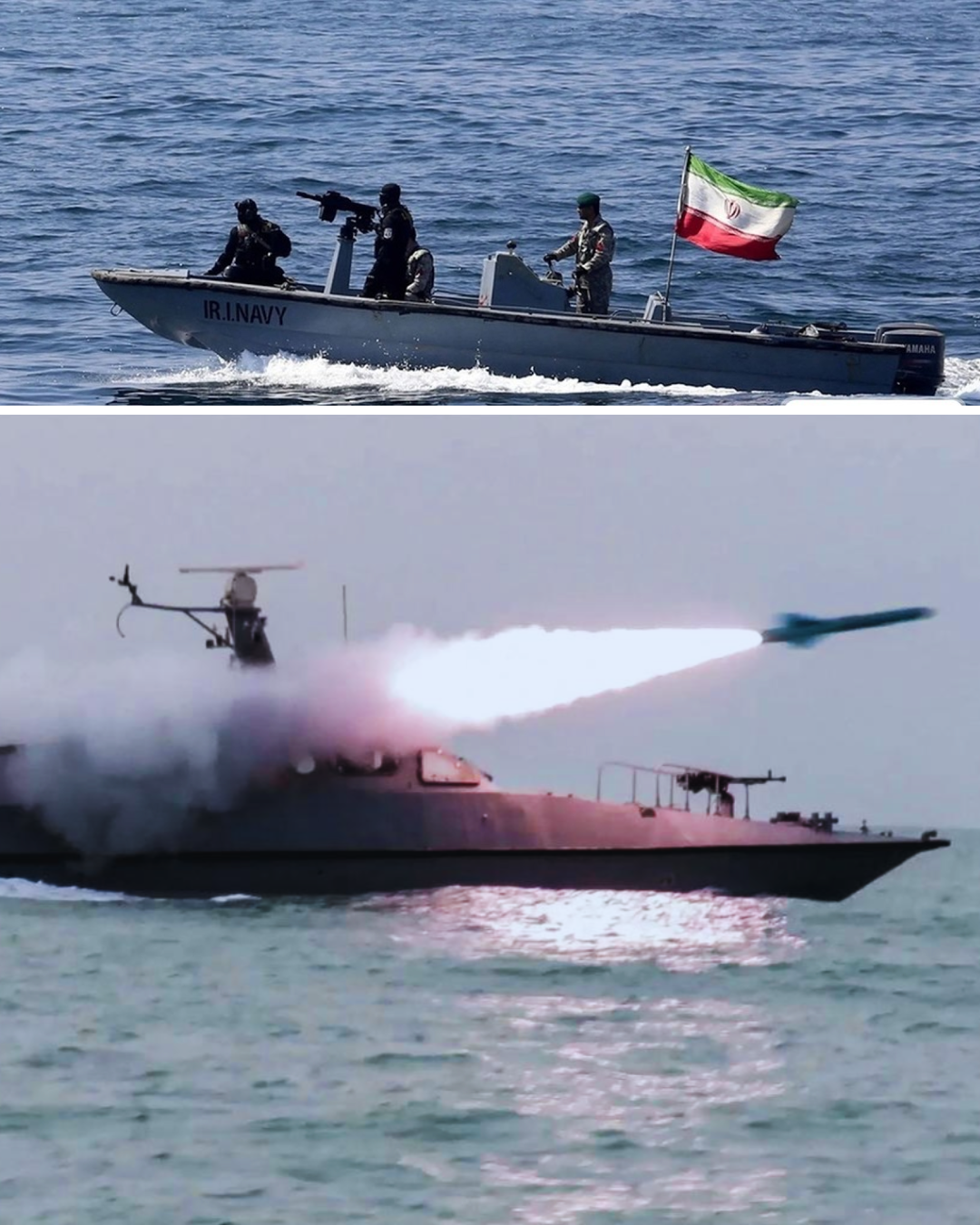
MOSCOW / TEHRAN — The Kremlin has issued a stark warning regarding the global economic fallout following Iran’s decision to close the Strait of Hormuz, the world’s most vital energy and agricultural artery. As the Middle East conflict enters a dangerous new phase, Moscow has highlighted that the blockade will trigger a systemic collapse in global fertilizer and food markets, threatening international food security.
A Global Market on the Brink
Kirin Demitri, the Russian Presidential Special Envoy for Economic Cooperation and CEO of the Russian Direct Investment Fund (RDIF), outlined the severity of the situation on March 3. According to Demitri, the Strait of Hormuz facilitates approximately 44% of the global trade in sulfur, 31% of urea, 18% of ammonia, and 15% of phosphates.
“The fertilizer market and subsequently the agricultural sector will be severely impacted by the closure of the Strait of Hormuz,” Demitri stated, warning that maritime disruptions would place unprecedented pressure on global commodity prices. The warning coincides with reports from the Royal Association of Netherlands Shipowners (KVNR), which confirmed that nearly 100 Dutch vessels are currently trapped in the Gulf region due to the escalating tensions.
Iran Sets Conditions for Peace
As the U.S. and Israel intensify their “Operation Epic Fury” and “Lion’s Roar,” Tehran has remained defiant. Foreign Ministry spokesperson Esmail Baghaei stated that the only path to ending the conflict is the immediate cessation of “military aggression” by Washington and Tel Aviv.
Speaking from a school in Tehran damaged by recent strikes, Baghaei emphasized that diplomacy remains Iran’s preferred choice, but warned European nations against interference. “Any action against Iran will be considered an act of war and complicity with the aggressors,” Baghaei declared, urging the UN Security Council to intervene before the conflict consumes Western Asia.
European Involvement and Regional Retaliation
Despite Iran’s warnings, European powers are increasing their military footprint. France has deployed Rafale fighter jets to its bases in the UAE to protect assets and personnel following a drone strike on a hangar at a French military facility.
The conflict has already expanded across the Gulf:
-
Saudi Arabia: Following a drone strike on the massive Ras Tanura refinery, Riyadh has warned that any coordinated Iranian attack on Aramco facilities will result in direct military retaliation against Iran’s oil infrastructure.
-
Qatar: Iranian drones reportedly targeted LNG processing facilities at Ras Laffan and Mesaieed, prompting Qatar Energy to temporarily suspend LNG production.
-
Kuwait: Amidst the chaos of Iranian missile and drone barrages, U.S. Central Command (CENTCOM) confirmed that three F-15E Strike Eagles were accidentally shot down by Kuwaiti air defenses in a friendly-fire incident. All six crew members successfully ejected.
Nuclear Safety and Humanitarian Concerns
Rafael Grossi, Director General of the International Atomic Energy Agency (IAEA), has called for “maximum restraint” following emergency sessions requested by Russia and Iran. While Grossi confirmed that no nuclear facilities have been damaged to date, he warned that the continued military activity near active reactors and research facilities poses a grave risk of radioactive leakage and mass evacuations.
Secondary Fronts: Pakistan-Afghanistan and Ukraine
The regional instability is triggering secondary conflicts. Pakistan has launched new airstrikes against Taliban positions in eastern Afghanistan, destroying ammunition and drone storage facilities in Jalalabad. Islamabad reports that at least 67 Taliban members were killed in recent border clashes, marking the most intense fighting since October 2025.
Meanwhile, the Kremlin confirmed that key negotiations are ongoing regarding the war in Ukraine, including the sensitive issues of security guarantees and territorial status. While Moscow expressed appreciation for Washington’s mediation efforts, it emphasized that Russia will prioritize its own national interests above all else.
As anti-war protests reach New York and major European capitals, the international community remains at a crossroads. With the world’s most critical shipping lane closed and major powers repositioning for war, the path toward a diplomatic resolution appears increasingly narrow.