Escalation in the Middle East: Iran Launches 11th Wave of Strikes as Trump Formalizes Military Action
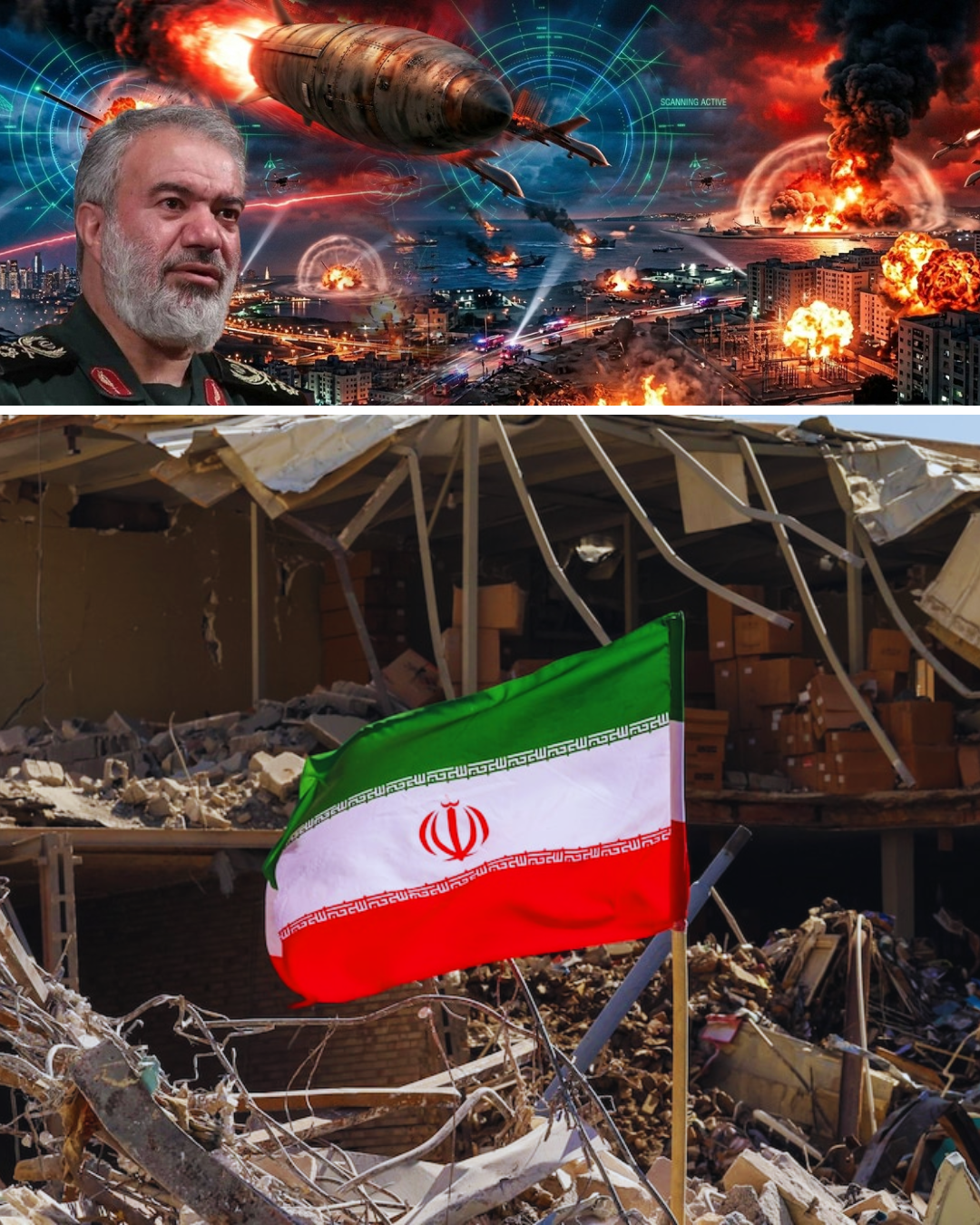
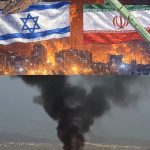
WASHINGTON D.C. / TEHRAN — The Middle East has entered a perilous new phase of conflict as the Iranian Islamic Revolutionary Guard Corps (IRGC) initiated its 11th wave of high-intensity attacks against U.S. and Israeli strategic assets. The escalation coincides with President Donald Trump’s formal notification to the U.S. Congress, asserting his executive authority to dismantle Tehran’s military infrastructure.
Tehran’s “True Promise IV” Campaign
The IRGC’s latest offensive, part of a campaign titled “True Promise IV,” involved an unprecedented density of firepower. Iranian naval and air units reportedly targeted 60 strategic locations and over 500 military units belonging to the U.S. and Israel. Key targets included American intelligence centers and logistics hubs in the Persian Gulf, as well as Israeli media and industrial complexes in Beer Sheva and Galilee.
Tehran claims to have launched over 700 drones and hundreds of missiles within a 48-hour window, surpassing the records set during the 12-day conflict in June 2025. Among the targets was the U.S. Embassy in Saudi Arabia, which suffered minor fire damage from a drone strike, though no casualties were reported. Following these strikes, the IRGC declared its intent to systematically dismantle U.S. political influence across the region.
The Intelligence War: A Years-Long Breach
In a striking revelation, intelligence reports suggest that Israel’s Mossad had successfully infiltrated Tehran’s municipal traffic camera system for years. This breach allowed Israeli and CIA operatives to monitor the daily routines of high-ranking Iranian officials, including the late Supreme Leader Ali Khamenei.
By encrypting and rerouting real-time video feeds to servers in Tel Aviv, intelligence agencies mapped out “behavioral patterns,” identifying preferred parking spots and secret commute routes. This technological advantage was a critical factor in the precision strike on February 28 that resulted in the death of the 86-year-old leader. Furthermore, Israeli forces reportedly jammed telecommunications near the Pasteur district during the operation, cutting off emergency alerts to the Supreme Leader’s security detail.
Washington Formalizes its Stance
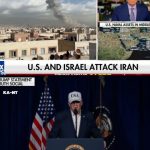
On March 2, the White House released a formal letter from President Donald Trump to Senate President Pro Tempore Charles Grassley. The document served as an official notification of the military actions taken on February 28 under the President’s authority as Commander-in-Chief.
Trump emphasized that the decision followed exhaustive diplomatic efforts that failed to yield results. He characterized the Iranian threat as “unacceptable” to U.S. national security and the stability of its allies. The President confirmed that U.S. forces conducted precision strikes against ballistic missile bases, maritime facilities, and command centers across Iran.
The letter clarified that no U.S. ground troops were involved in the strikes, which were designed to minimize civilian casualties while neutralizing Iran’s offensive capabilities. While Trump expressed a desire for a “swift and lasting peace,” he maintained that U.S. forces remain in a high state of readiness to address emerging threats.
Global Ripple Effects: From Ukraine to Mexico
The conflict is causing significant anxiety in Eastern Europe. Ukrainian President Volodymyr Zelenskyy expressed concern over the potential diversion of U.S.-made Patriot missile defense systems and PAC-3 interceptors to the Middle East. While supply lines currently remain intact, Kyiv warns that a prolonged high-intensity conflict in the Gulf could leave Ukraine’s air defense depleted.
In a separate development, Mexico saw the burial of the notorious drug kingpin “El Mencho,” leader of the Jalisco New Generation Cartel. The funeral, overseen by heavy military presence following his death in a joint U.S.-Mexico operation, sparked a wave of gang violence that has already claimed over 70 lives.
A Shifting Regional Order
As Iran continues its missile barrages and Washington solidifies its military posture, the international community remains on high alert. With the intelligence breach in Tehran exposed and the U.S. presidency taking a direct, personalized approach to foreign policy, the Middle East stands at a historic crossroads. The ultimate duration and scope of “Operation Epic Fury” remain undefined, but its impact on the global order is already profound.