The Fall of an Era: Middle East Shaken as Iran’s Supreme Leader Ali Khamenei Killed in Decapitation Strike
TEHRAN / WASHINGTON D.C. — Iran and the wider Middle East have been plunged into a state of unprecedented volatility following the confirmed death of Ayatollah Ali Khamenei. The 86-year-old Supreme Leader was reportedly killed during the initial wave of a massive joint military operation launched by the United States and Israel, titled “Operation Epic Fury.” The event marks the most significant leadership crisis for the Islamic Republic since the 1979 Revolution, threatening to reshape the global geopolitical order.
The “Epic Fury” Offensive
The strike that claimed the life of the Supreme Leader was part of a coordinated preemptive campaign initiated by the United States and Israel on February 28. President Donald Trump, in a formal notification to the U.S. Congress, described the operation as a necessary move to neutralize “unacceptable threats” to national security and regional stability. According to U.S. Central Command (CENTCOM), the offensive targeted over 1,250 strategic locations within 48 hours, including command centers, ballistic missile silos, and hardened underground bunkers.
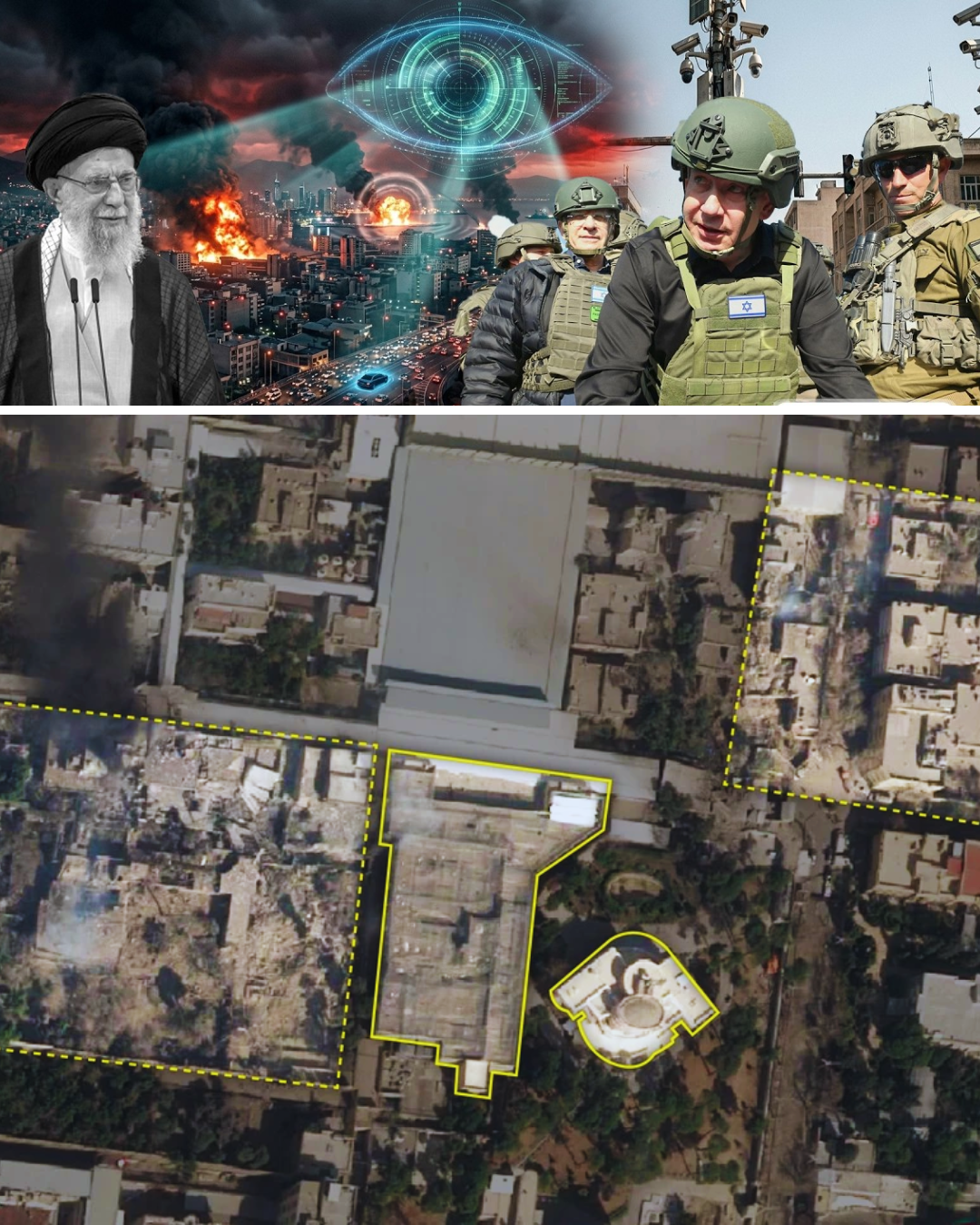
Intelligence reports suggest that the “decapitation strike” was made possible by a multi-year breach of Tehran’s municipal infrastructure. Israeli intelligence reportedly gained access to the city’s traffic camera networks, allowing them to track the daily routines and behavioral patterns of high-ranking officials. The fatal strike occurred as Khamenei and several top-tier commanders gathered in an above-ground facility near the Pasteur district, a rare departure from their usual practice of meeting in secret underground bunkers.
Iran’s Transition to a “Garrison State”
In the wake of Khamenei’s death, Iran has declared 40 days of national mourning and a week-long nationwide closure. However, beneath the veil of grief, a rapid military reorganization is underway. A provisional leadership council, consisting of the President, the Chief Justice of the Supreme Court, and a high-ranking cleric, has been established to maintain institutional continuity.
Strategic analysts warn that the loss of the Supreme Leader may transform Iran into a “garrison state”—a highly militarized system driven by extreme survivalist nationalism. The previous doctrine of “strategic patience,” which favored restraint to avoid all-out war, appears to have died with Khamenei. The Islamic Revolutionary Guard Corps (IRGC) and the regular military (Artesh) have already vowed “unprecedented punishment” for the aggressors.
The “Rain of Fire” Retaliation
Tehran’s response was swift and devastating. Under the campaign titled “True Promise IV,” the IRGC launched over 1,300 missiles and kamikaze drones at 27 U.S. and Israeli bases across the Middle East. The retaliation extended to major urban and economic hubs, with debris from intercepted missiles causing fires in Dubai and damage to the Sheikh Isa Airbase in Bahrain.
The conflict has also reached sovereign NATO territory. An Iranian-made Shahed-136 drone reportedly struck the RAF Akrotiri airbase in Cyprus, a sovereign British territory. While damage was minimal, the incident has raised the possibility of triggering NATO’s Article 5 collective defense treaty, potentially drawing European powers directly into the conflict.
Global Economic and Diplomatic Fallout
The economic shockwaves of the conflict were felt immediately. Iran’s official closure of the Strait of Hormuz, the world’s most vital energy artery, caused Brent crude prices to surge by 13% to over $82 per barrel. Shipping giants, including Maersk, have suspended transits through the region, opting for the longer route around the Cape of Good Hope, a move that is expected to drive up global inflation.
Internationally, the strikes have faced sharp condemnation from Russia and China. Both nations labeled the operation a “serious violation of sovereignty” and a breach of the UN Charter. Within the United States, a bipartisan group of lawmakers has called for a War Powers Resolution to limit President Trump’s authority to conduct further military actions without formal congressional approval.
A Precarious Future
As the world watches the fallout of “Operation Epic Fury,” the future of the Middle East remains dangerously uncertain. With the Supreme Leader gone and a “massive surge” of operations expected in the coming hours, the region stands at a historic crossroads. Whether this decapitation strike will lead to the collapse of the current regime or trigger a catastrophic regional war is a question that currently hangs in the balance.