The “Prophecy” Fulfilled: U.S.-Israeli Offensive Decapitates Iranian Leadership Amid Regional Upheaval
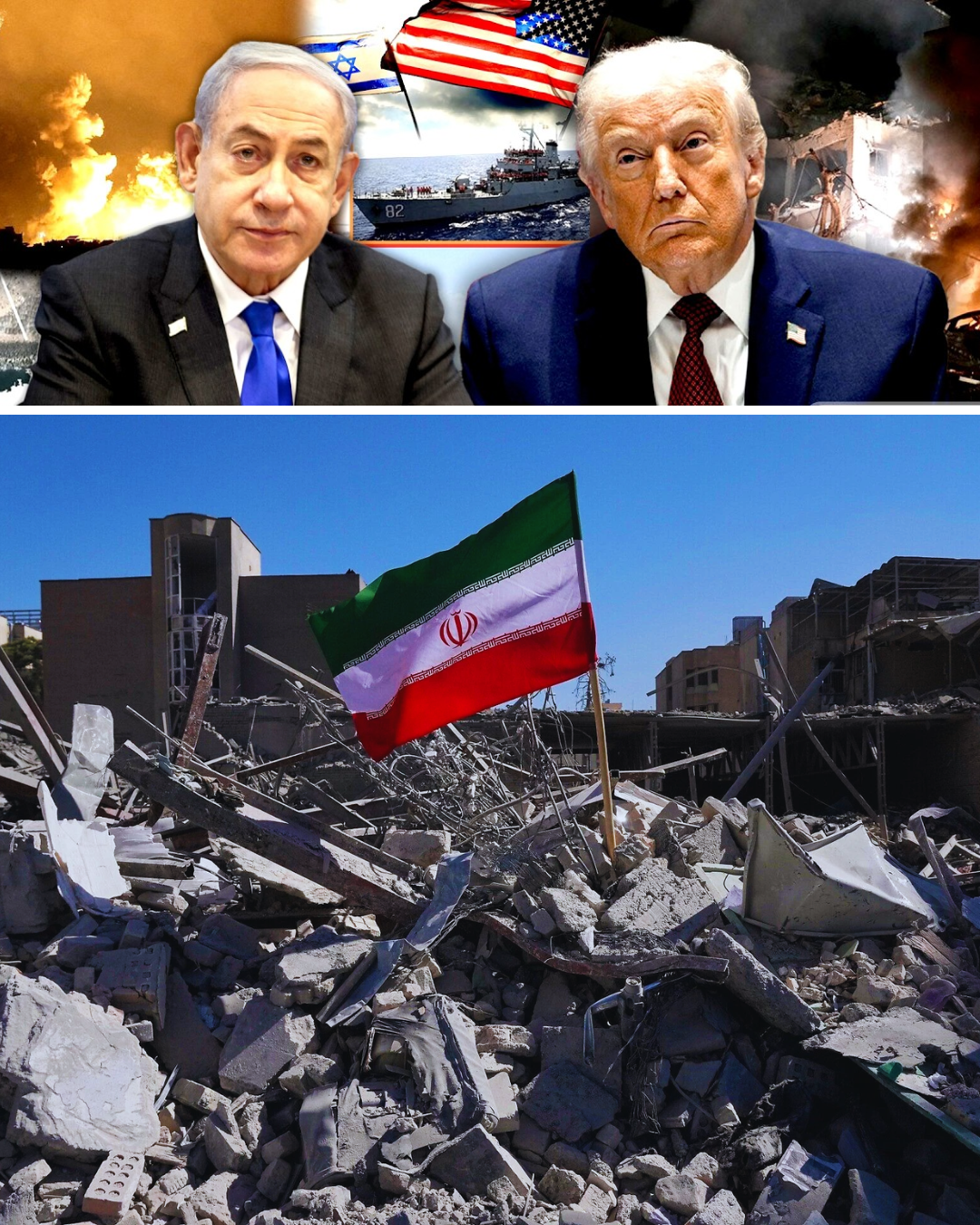
WASHINGTON D.C. / TEHRAN — As the joint U.S.-Israeli military campaign against Iran enters its decisive phase, the world is reflecting on a decades-old “prophecy” by late Turkish Prime Minister Necmettin Erbakan. Erbakan once predicted that the United States would deploy carrier strike groups to launch a systematic bombardment of Tehran—a scenario that has now transitioned from geopolitical speculation to a grim reality.
A Calculated Strike on the Heart of Tehran
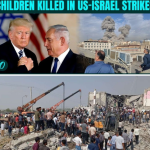
On February 28, the United States and Israel initiated “Operation Epic Fury,” a massive preemptive campaign aimed at neutralizing Iran’s nuclear ambitions and missile infrastructure. President Donald Trump, in a formal address, stated that the offensive was necessary after Tehran repeatedly rejected opportunities to abandon its nuclear program. “The United States can no longer endure this threat,” Trump declared, framing the operation as a move to ensure long-term global peace.
The most shocking outcome of the initial wave of strikes was the confirmed death of Iran’s Supreme Leader, Ayatollah Ali Khamenei. Reports indicate that Khamenei’s compound in central Tehran was hit while several high-ranking officials were gathered for a high-level meeting. This “decapitation strike” has left the Islamic Republic in a state of unprecedented internal crisis, as a provisional leadership council struggles to maintain institutional control.
Technological Superiority and Military Objectives
U.S. Defense Secretary Pete Hegseth recently detailed the primary objectives of the campaign:
-
Missile Neutralization: Systematic destruction of Iran’s offensive missile production and launch capabilities.
-
Maritime Control: Decimating the Iranian Navy to secure freedom of navigation.
-
Nuclear Denial: Ensuring the permanent dismantling of nuclear-related security infrastructure.
Hegseth emphasized that while the U.S. is “bold and decisive,” the administration intends to avoid an “endless war” similar to the decades-long presence in Iraq or Afghanistan. “We have proven that we can achieve U.S. interests without reckless, long-term occupation,” Hegseth stated. However, he notably left the door open for the deployment of ground troops or special forces if the military situation dictates a “decisive finish” to secure strategic sites.
The British Pivot and the “Cyprus Trigger”
The campaign has also strained trans-Atlantic relations. President Trump publicly criticized UK Prime Minister Keir Starmer for initial delays in granting U.S. forces access to the strategic base at Diego Garcia. Trump attributed this hesitation to Starmer’s concerns over the legal procedures of preemptive strikes.
The dynamic shifted abruptly on March 1, after Iranian missiles and drones targeted a British airbase on the island of Cyprus. This direct provocation forced London to pivot toward active support, though Trump described the shift as “too little, too late.” He also expressed deep frustration over the UK’s agreement to transfer sovereignty of the Chagos Islands to Mauritius, calling it a “misguided wake-up call” that threatens the status of the Diego Garcia facility.
Economic Warfare: The Hormuz Standoff
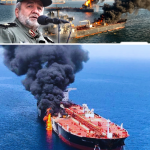
Beyond the kinetic battlefield, Iran continues to hold its most potent economic lever: the Strait of Hormuz. Responsible for 20% of the world’s oil and gas transport, any blockade of this narrow chokepoint threatens a global economic shock.
Brent crude oil prices have already spiked by 13% to over $82 per barrel, with U.S. gasoline prices projected to jump significantly in the coming months. Shipping giant Maersk has suspended all regional transits, opting for the longer route around Africa. Analysts warn that while the “Hormuz Card” may not be Iran’s first choice, it remains a lever capable of impacting the daily expenses of consumers worldwide and placing immense political pressure on the White House ahead of the mid-term elections.
A Precarious Future
While President Trump claims the operation is exceeding its goals—stating that the Iranian leadership was dismantled in a single day—the Pentagon remains cautious. General Dan K. warned that this is not a “one-night operation” and anticipated further casualties. As the world watches the “Epic Fury” unfold, the question remains whether this decisive action will achieve its limited military goals or spiral into a broader regional catastrophe that reshapes the 21st-century global order.