U.S. Urges Immediate Evacuation from Middle East as “Epic Fury” Offensive Against Iran Intensifies
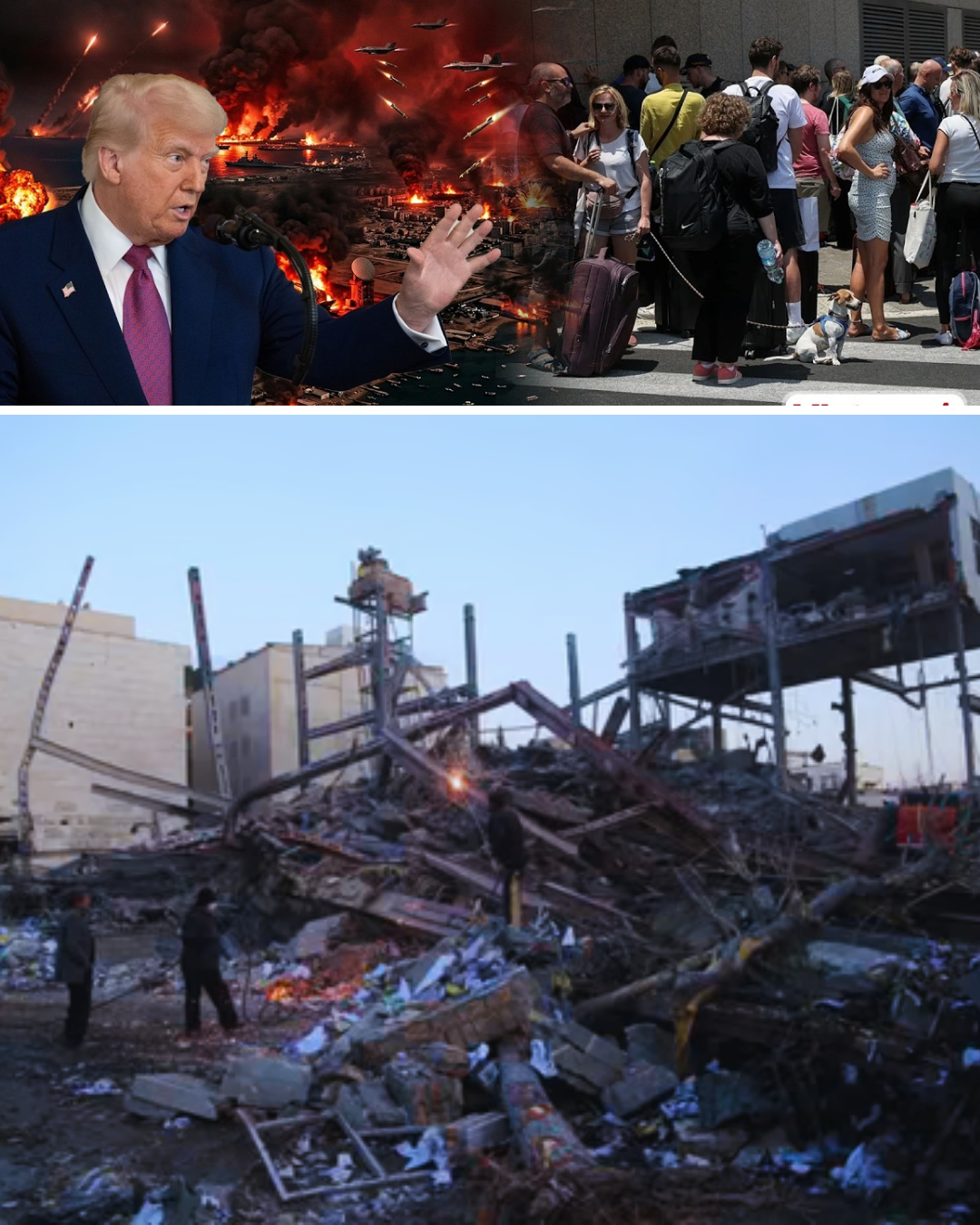
WASHINGTON D.C. — The U.S. State Department has issued an urgent directive for all American citizens to depart from 16 Middle Eastern nations immediately, citing severe and deteriorating security risks. This advisory comes as the joint U.S.-Israeli military campaign against Iran, titled “Operation Epic Fury,” enters a critical phase with officials warning that the most significant strikes are yet to come.
A Region-Wide Security Alert
On March 2, Washington listed 16 high-risk territories, including Bahrain, Egypt, Iran, Iraq, Israel, the West Bank and Gaza, Jordan, Kuwait, Lebanon, Oman, Qatar, Saudi Arabia, Syria, the UAE, and Yemen. U.S. citizens are strongly encouraged to utilize commercial flights while they remain available and to maintain 24/7 contact with consular services.
The emergency measures are a direct response to a massive surge in retaliatory strikes by the Islamic Revolutionary Guard Corps (IRGC). Following the death of Iran’s Supreme Leader Ali Khamenei in the initial U.S.-Israeli bombardment on February 28, Tehran has launched an estimated 1,311 missiles and kamikaze drones targeting 27 U.S. and Israeli bases across the Persian Gulf.
“Epic Fury” and the Technological Arsenal
U.S. Central Command (CENTCOM) reported that over 1,250 strategic targets were neutralized within the first 48 hours of the campaign. These include command centers, ballistic missile silos, and hardened underground bunkers. President Donald Trump has stated that the offensive is proceeding ahead of schedule, with the dismantling of Iran’s core leadership occurring in a single day.
The operation has showcased the overwhelming technological superiority of the U.S. military:
-
Stealth Supremacy: B-2 Spirit stealth bombers were deployed directly from the U.S. mainland to strike fortified sites with 2,000-pound precision bombs.
-
Combat Debut: The “Lucas” drone, a low-cost kamikaze UAV designed to mimic Iranian technology, made its first operational appearance, allowing the U.S. to saturate enemy air defenses cost-effectively.
-
Integrated Air Power: F-35 Lightning II stealth fighters and F/A-18 Super Hornets from the USS Gerald R. Ford and USS Abraham Lincoln carrier strike groups have secured air superiority over Tehran.
The Path to Decisive Neutralization
Despite the tactical successes, U.S. Secretary of State Marco Rubio and Defense Secretary Pete Hegseth warned that the “heaviest blows” are still ahead. The administration’s focus remains the permanent destruction of Iran’s offensive missile production and nuclear infrastructure.
Hegseth clarified that while the U.S. is not yet deploying ground troops, it maintains a posture of “epic fury” to prevent Iran from ever attaining nuclear capabilities. He dismissed the concept of revealing military timelines to enemies, calling it a strategic failure of previous administrations.
Global Economic and Humanitarian Fallout
The conflict has triggered a systemic shock to global energy markets. With the Strait of Hormuz—the artery for 20% of the world’s oil—under threat, Brent crude prices surged by 13% to over $82 per barrel. Analysts warn that if a total blockade occurs, U.S. gasoline prices could jump to $3.50 per gallon in the coming months, placing immense pressure on the White House ahead of the mid-term elections.
On the humanitarian front, reports indicate that over 148 people were killed, including 165 schoolgirls in a single strike on a primary school in southern Iran, which Tehran has labeled a “shameful act of hypocrisy” by the West. As Iran enters 40 days of national mourning and vowing “unprecedented punishment,” the international community remains on edge, watching whether this “defensive necessity” will lead to a new regional order or a global catastrophe.