Lebanon Under Siege: IDF Reports Over 200 Targets Hit in 36-Hour Operation 🇱🇧🇮🇱
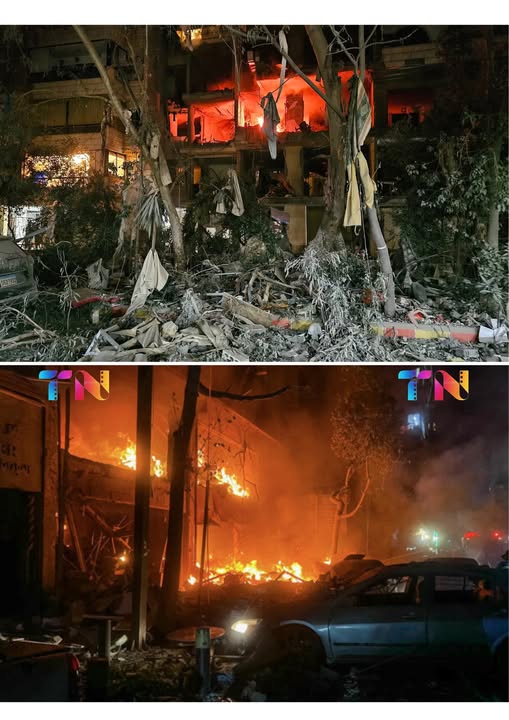
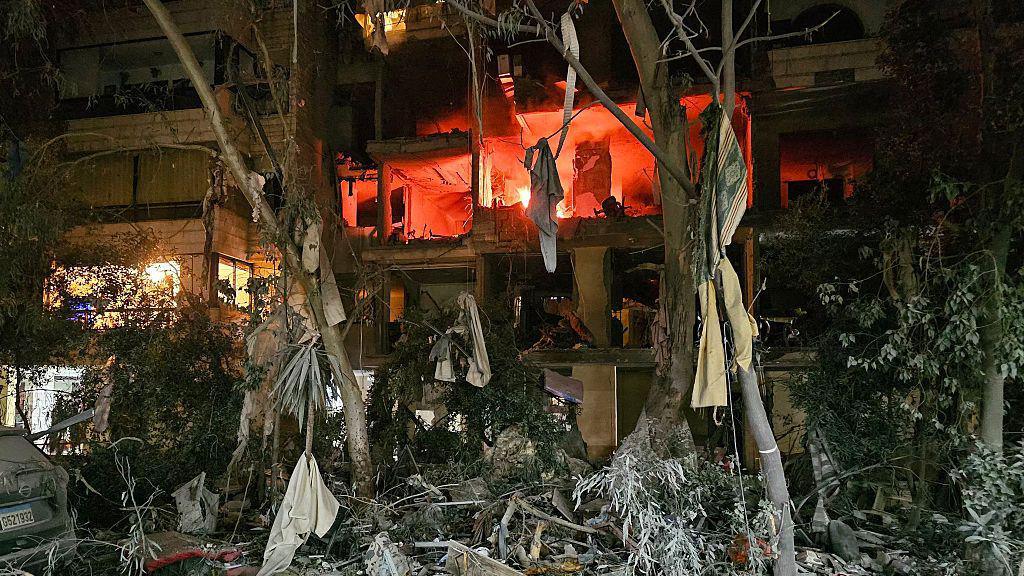
The Israel Defense Forces (IDF) has announced a significant escalation in military operations, stating that more than 200 targets across Lebanon were struck within a 36-hour period. According to Israeli military officials, the strikes were directed at what they described as strategic sites tied to militant infrastructure, with the stated objective of safeguarding national security. The announcement comes amid rising cross-border tensions and increased exchanges of fire along the Israel–Lebanon frontier. Authorities emphasized that precision measures were used in an effort to minimize civilian harm, though the rapidly evolving situation has created widespread concern throughout the region.
Reports from Lebanon describe heightened anxiety as air raid sirens and explosions disrupted daily life in multiple areas. Emergency services have been mobilized to respond to reported damage, while officials have urged residents to follow safety protocols and seek shelter when necessary. The Lebanese government has condemned the strikes, warning that continued escalation could further destabilize an already fragile environment. Analysts note that flare-ups along this border carry significant regional implications, particularly given longstanding tensions and the involvement of armed groups operating within Lebanese territory.
International observers are closely monitoring developments. The United Nations has called for restraint from all sides, emphasizing the urgent need to protect civilians and prevent a broader conflict. Diplomatic channels are reportedly active, with global leaders encouraging ceasefire discussions and renewed negotiations aimed at de-escalation. Security experts caution that sustained military exchanges risk drawing in additional regional actors, potentially widening the scope of instability.
Meanwhile, humanitarian organizations, including the International Committee of the Red Cross, are mobilizing assistance for displaced families and those in need of medical care. Community leaders in both Lebanon and Israel are voicing appeals for calm, highlighting the shared human cost of prolonged conflict. As events continue to unfold, officials and advocacy groups alike stress the importance of measured reporting, humanitarian protection, and diplomatic engagement. In a region marked by complex history and deep sensitivities, many hope that dialogue and international mediation can help restore stability and safeguard civilian lives.