Gold Hits $6,000. Banks Brace for Cyberattacks. The Hidden Economic War Nobody’s Talking About
While the world watches bombs fall on Tehran, a quieter and potentially more devastating conflict is unfolding in financial markets and corporate server rooms. JPMorgan Chase CEO Jamie Dimon — one of the most closely watched voices in global finance — issued a blunt warning this week: expect cyberattacks on Western banks, possibly within days.
“People like this have gotten away literally with murder for 50 years,” Dimon told CNBC, referring to the Iranian government. “But as a corollary to that, you’ve got to expect there’ll be cyberattacks or terrorist attacks, either here or around the world. Banks may be targets.”
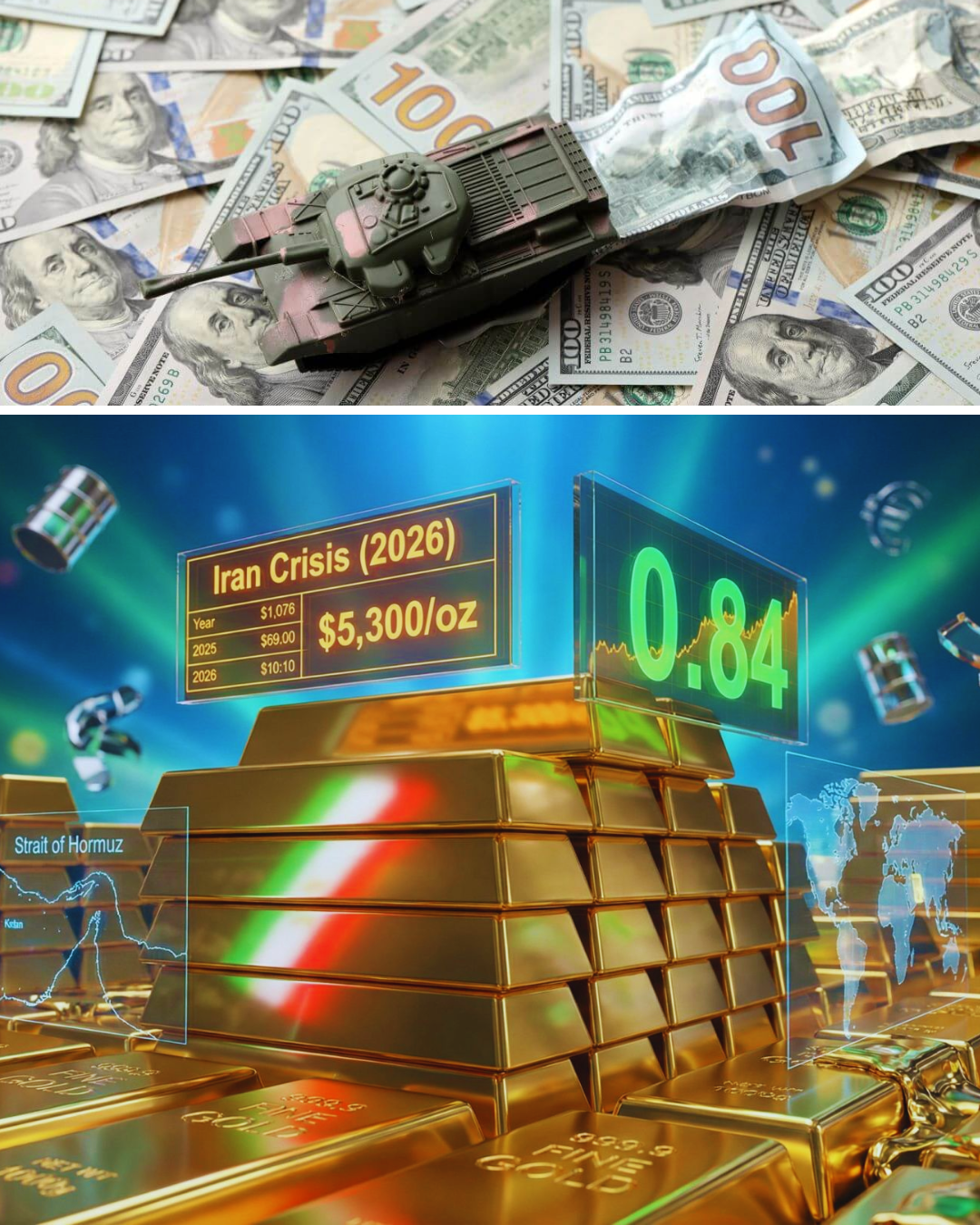
His warning came as gold surged past $5,900 per ounce — a psychological barrier that many analysts thought was years away — and oil markets convulsed with volatility not seen since the 2008 financial crisis. J.P. Morgan analysts are now projecting gold could reach $6,300 by the end of 2026.
Adding to the chaos: Amazon’s data centers in the UAE and Bahrain experienced prolonged power outages on Monday, March 2, amid the conflict. While Amazon has not publicly attributed the outages to Iranian cyberattacks, the timing has alarmed cybersecurity experts, who note that Iran’s IRGC Cyber Command is among the most capable state-sponsored hacking groups in the world.
For ordinary people in the US and UK, the economic consequences may materialize faster than any missile. Fuel prices are already climbing. Travel insurance companies have added war-risk surcharges for travel throughout the Middle East, expanding the map of affected zones daily.
The scenario investors fear most: a prolonged conflict that keeps oil supply routes through the Strait of Hormuz constrained, sending energy prices into territory that triggers a global recession. Iran controls one of the world’s most critical maritime chokepoints — and it has not yet threatened to close it.
The financial war, analysts warn, could outlast the military one by years.