Iran Just Hit the UK. Britain Has Troops in the Region. Why Is London So Quiet?
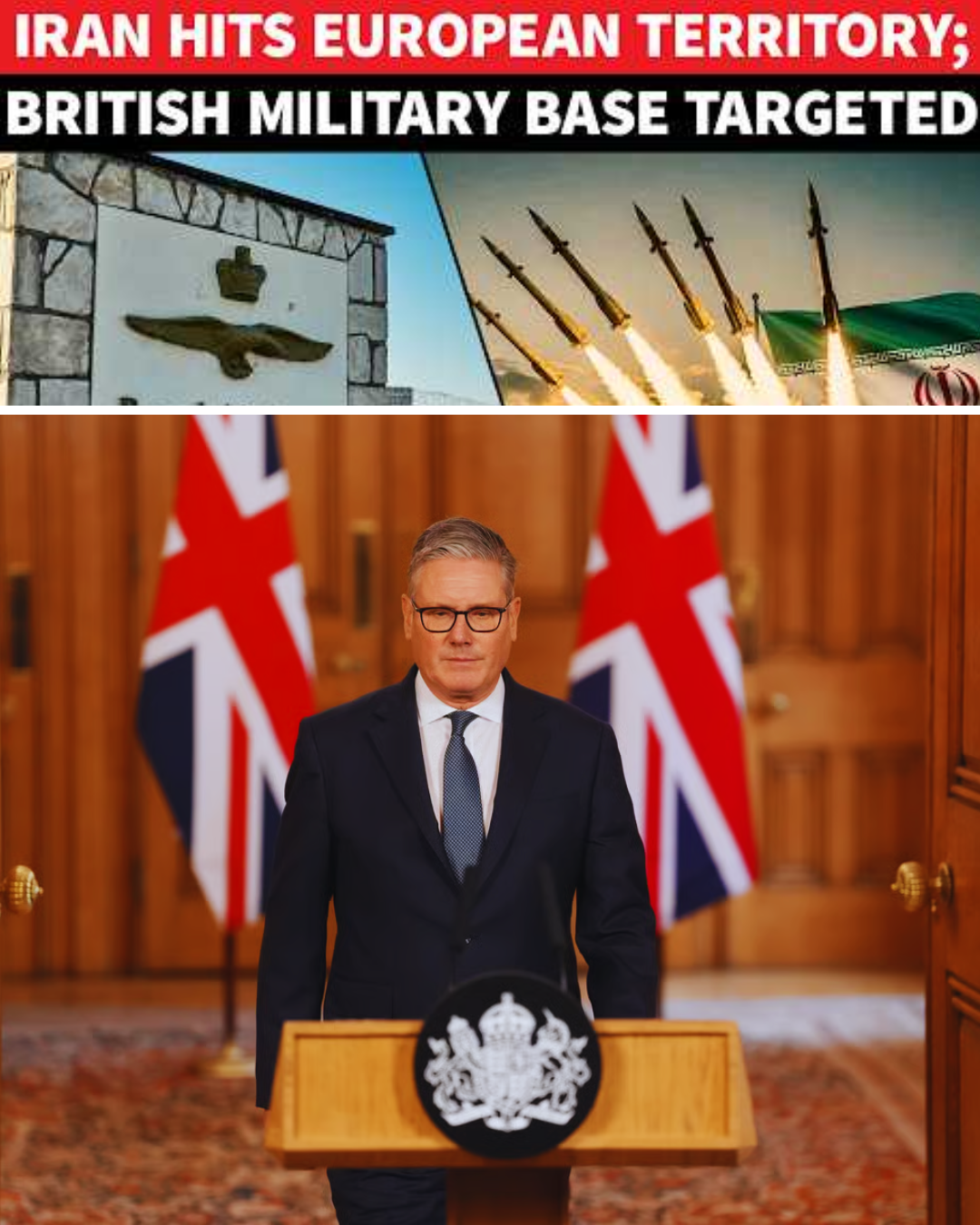
On Saturday night, an Iranian drone struck a runway at a British military base in Cyprus. The attack was confirmed. It was real. And Britain’s response has been, by any historical standard, extraordinarily muted.
The UK is a NATO member. It has troops stationed across the Middle East. One of its military installations was physically struck by a foreign nation’s munition. And yet the British government’s public reaction has amounted to little more than a carefully worded statement expressing “serious concern” and pledging to “consult with allies.”
No emergency Commons debate. No prime ministerial address to the nation. No invocation of collective defense. Silence, punctuated by diplomatic boilerplate.
Military analysts in London are openly baffled. “If a single Iranian drone had hit a British facility on British territory, the political response would be seismic,” said one retired senior RAF officer, speaking on background. “The fact that a UK base was struck and the government is treating it as a footnote says everything about the political calculations being made right now.”
Those calculations are, in truth, not difficult to read. Britain is in a precarious position: it cannot openly endorse a military operation it was not formally consulted on, it cannot appear to distance itself from its closest ally, and it cannot afford to provoke Iran into escalating attacks against British targets — of which there are several in the region.
The result is a public performance of controlled inaction that satisfies no one.
British citizens with family in the region are angry. Veterans groups are demanding a parliamentary statement. And opposition politicians are beginning to ask questions that the government is not yet ready to answer.
The Iranian drone that hit Cyprus may have been small. The political crater it opened in Westminster is considerably larger.