Insider Claims Religious Concerns Delayed Release of Trump-Era UFO Files
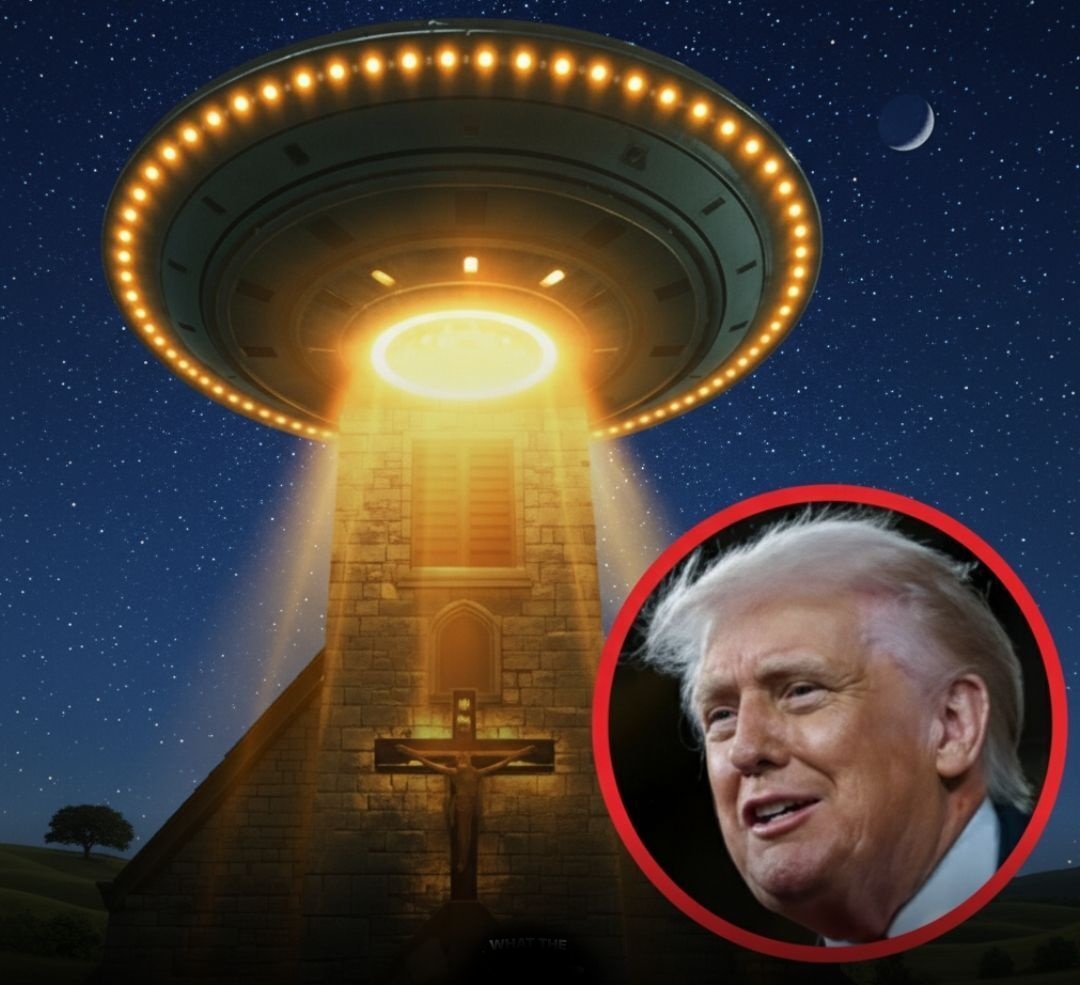
A new insider claim circulating in policy and research circles suggests that certain files related to unidentified aerial phenomena (UAP) from the administration of Donald Trump may have faced delays due to concerns about potential cultural and religious impact.
According to the unnamed source, discussions surrounding the possible release of documents included not only national security considerations but also broader societal implications. The files reportedly contain assessments of unidentified aerial phenomena — a term now commonly used by U.S. agencies instead of “UFO” — and related investigative findings.
The insider alleges that some officials believed full disclosure could trigger significant cultural or spiritual reactions if interpreted as evidence of non-human intelligence. While no verified documentation has confirmed this reasoning, the claim has renewed public debate about how governments balance transparency with social stability.
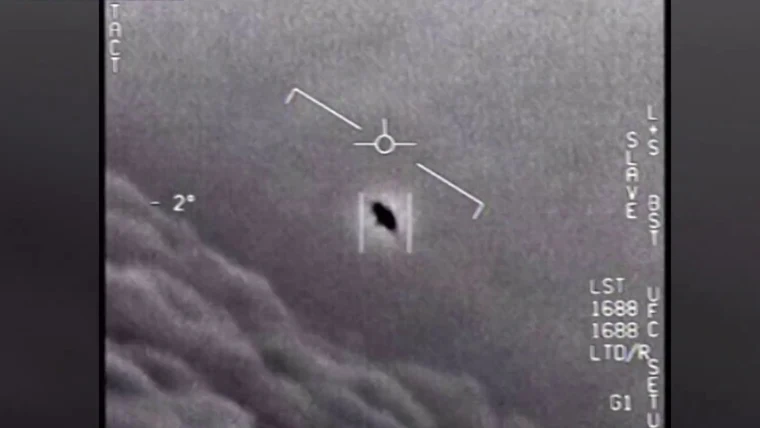
In recent years, federal agencies have acknowledged investigations into unexplained aerial sightings. Reports delivered to Congress have described incidents involving objects displaying unusual flight characteristics, though none have officially confirmed extraterrestrial origins.
Policy analyst Dr. Karen Whitfield commented on the broader issue, stating, “Governments historically assess not only the factual content of sensitive material, but also the potential public response. When information intersects with deeply held worldviews, leaders may proceed cautiously.”
The insider claim suggests that advisers may have considered how disclosure might interact with global belief systems and long-standing religious traditions. However, no direct evidence has surfaced showing formal intervention by religious institutions in federal decision-making processes.

Historians note that throughout modern history, governments have often delayed releasing information tied to emerging scientific mysteries, especially when public interpretation could outpace verified conclusions. From early space exploration to classified defense technologies, authorities have frequently cited the need for careful review before disclosure.
The Department of Defense has previously emphasized that investigations into UAP focus primarily on airspace safety and national security. In 2022, the Pentagon established the All-domain Anomaly Resolution Office (AARO) to centralize the evaluation of such reports. Officials have maintained that transparency remains a priority, within the limits of security protocols.
Sociologist Dr. Michael Reynolds explained that reactions to unknown phenomena are shaped by cultural context. “If credible evidence of non-human life were ever presented, the implications would extend beyond science,” he said. “It would influence philosophy, theology, and humanity’s broader self-understanding.”
At present, the insider’s account remains unverified. No official statement has confirmed that religious considerations directly influenced document classification decisions during the Trump administration. Analysts caution that anonymous sources, without supporting documentation, should be evaluated carefully.
Public interest in unidentified aerial phenomena has grown steadily over the past decade, fueled by declassified military footage and bipartisan congressional hearings. While curiosity remains high, experts stress that extraordinary claims require rigorous evidence.
Whether future disclosures provide clearer answers or simply expand existing questions, the debate highlights a recurring theme in modern governance: the challenge of managing sensitive information in a world where scientific inquiry, public transparency, and cultural values often intersect.
For now, the alleged delay tied to spiritual concerns remains a claim rather than a confirmed policy decision.