Trump Warns Tehran of a “Huge Mistake” as Operation Epic Fury Intensifies
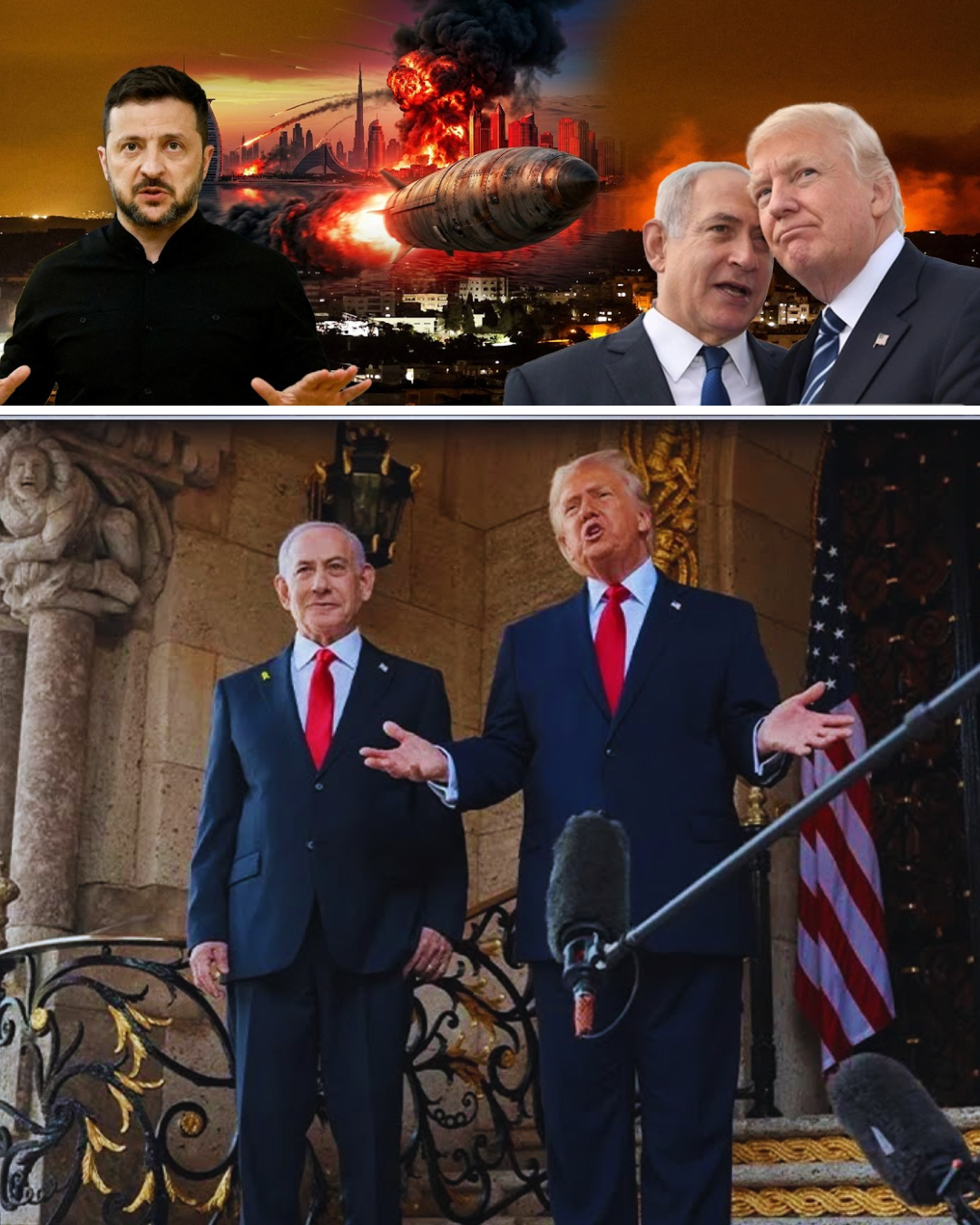
WASHINGTON D.C. / TEHRAN — President Donald Trump has issued a formidable warning to the Iranian leadership, characterizing their latest retaliatory strikes as a “huge mistake.” As the conflict enters a state of total regional escalation, the White House has formalized its military posture, while the Pentagon prepares for a “massive surge” in operations to ensure a decisive victory.
A Formal Mandate for Action
On March 2, the White House released an official letter from President Donald Trump to the U.S. Congress. Invoking his authority as Commander-in-Chief, Trump formally notified legislative leaders of the preemptive military actions initiated on February 28. The President emphasized that the strikes were a direct response to “unacceptable threats” after years of failed diplomatic efforts.
The notification clarified that the primary objectives of “Operation Epic Fury” include the systematic destruction of Iran’s ballistic missile silos, maritime facilities, and command-and-control centers. Trump reaffirmed that the campaign aims to protect U.S. personnel, secure freedom of navigation in the Strait of Hormuz, and dismantle Tehran’s nuclear infrastructure permanently.
Tehran’s “Rain of Fire” and the 11th Wave
In defiance of Washington’s warnings, the Islamic Revolutionary Guard Corps (IRGC) has launched its 11th wave of high-intensity attacks under the banner of “Operation True Promise IV.” Iranian naval and air units reportedly targeted 60 strategic locations and over 500 military units belonging to the U.S. and Israel.
Tehran claims to have deployed over 700 drones and hundreds of missiles within a 48-hour window, marking the most significant saturation of regional air defenses to date. Among the targets was the U.S. Embassy in Saudi Arabia, which suffered minor damage from a drone strike. Following these attacks, President Trump took to social media, declaring that Iran had made a “very big mistake” and vowing that U.S. forces would respond with a strength “the world has never seen before.”
Intelligence Dominance and the Fall of the Leader
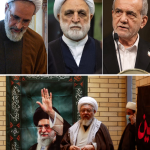
The conflict has been defined by a significant intelligence breach. Reports suggest that Israeli and CIA operatives successfully infiltrated Tehran’s municipal traffic camera network for years. This allowed coalition forces to map out the “behavioral patterns” of the Iranian leadership, leading to the precision strike that claimed the life of Supreme Leader Ayatollah Ali Khamenei on February 28.
During the operation, Israeli forces reportedly jammed telecommunications in the Pasteur district, effectively cutting off emergency alerts to the Supreme Leader’s security detail. Despite the loss of their top leader, the Iranian system has activated its survival protocols, establishing a provisional leadership council and shifting toward a highly militarized “garrison state.”
Friction Within the Coalition
The campaign has not been without its tactical and diplomatic setbacks. U.S. Central Command (CENTCOM) confirmed a significant “friendly fire” incident over Kuwaiti airspace, where three American F-15E Strike Eagles were accidentally shot down by Kuwaiti air defenses. While all six crew members successfully ejected, the incident highlights the extreme chaos of the regional environment.
Furthermore, President Trump has expressed frustration with the United Kingdom, criticizing Prime Minister Keir Starmer for initial delays in granting access to the strategic Diego Garcia base. Although London pivoted toward active support after a British airbase in Cyprus was targeted by Iranian drones, Trump described the move as “too little, too late.”
Economic and Humanitarian Crisis
The global fallout of the conflict is mounting. Iran’s official closure of the Strait of Hormuz has sent oil prices surging 13% to over $82 per barrel. Shipping giants, led by Maersk, have suspended all regional transits, a move expected to trigger a global inflationary shock.
On the humanitarian front, the U.S. State Department has ordered the immediate evacuation of American citizens from 16 Middle Eastern countries. As Iranian authorities report a death toll exceeding 550—including nearly 200 children in a single strike on a school—the international community remains deeply divided. While the White House vows to continue until victory, the world watches with bated breath as the “Epic Fury” continues to reshape the global order.