Trump Rejects “Israeli Influence” Narrative, Warns of a “Worst-Case Scenario” for Iran
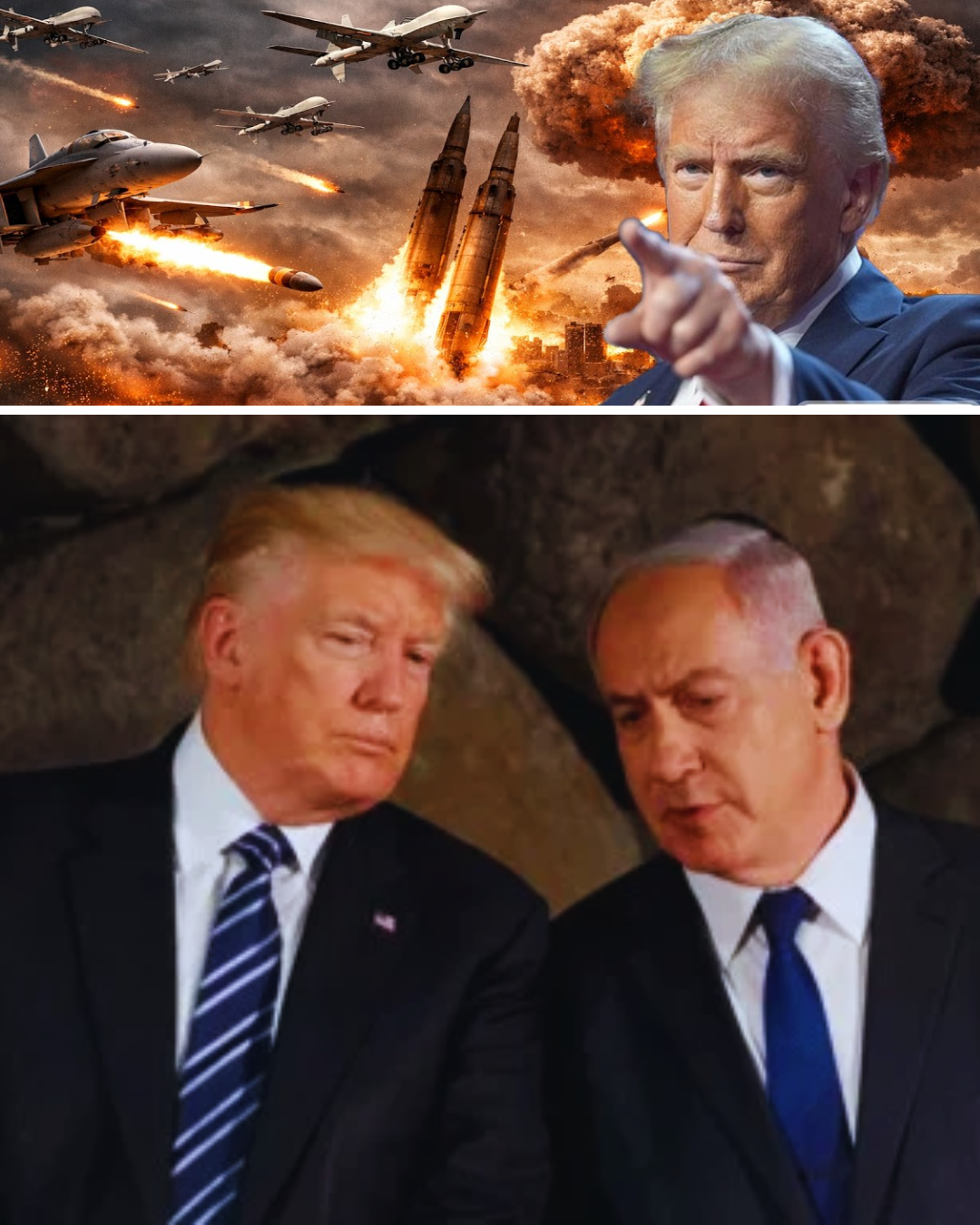
WASHINGTON D.C. — In a defiant joint press conference at the White House on March 3, President Donald Trump dismissed claims that the United States was “dragged” into the current conflict by Israel. Standing alongside German Chancellor Friedrich Merz, Trump characterized the massive U.S. strikes against Iran as a necessary preemptive measure, asserting that Washington acted to prevent an inevitable first strike by Tehran.
Defending Preemptive Action
Addressing diplomatic rumors that Israel was the primary architect of the escalation, President Trump stated, “Israel did not drag us into this. If anything, the U.S. might have been the one that forced them to act.” Trump argued that after years of failed negotiations, his administration concluded that Iran was on the verge of launching its own offensive. “If we didn’t strike first, Iran would have. We took the initiative to protect our interests and our allies,” he added.
However, the President admitted to being surprised by the scope of Iran’s retaliation, which saw missile and drone waves diverted toward neighboring Gulf states. Trump noted that these regional partners were likely equally unprepared for the “Rain of Fire” unleashed by the Islamic Revolutionary Guard Corps (IRGC) following the death of Supreme Leader Ali Khamenei.
The Leadership Vacuum: “A Third Wave of Candidates”
The death of Ayatollah Khamenei on February 28 has created a profound power vacuum in Tehran. When questioned about Washington’s preferred successor, Trump noted with stark pragmatism that the majority of figures previously viewed as viable candidates had already been neutralized. “The people we wanted have been killed, and another group of leaders was also just killed. I guess there will soon be a third wave of candidates,” Trump remarked, warning that the worst-case scenario for Iran would be the rise of a leader “no better than their predecessor”.
German Chancellor Merz echoed Trump’s stance, emphasizing the shared Western commitment to regime change in Tehran. “We hold the same position on the need for a change of power in Iran. The U.S. and Israel are doing what is necessary to return the Middle East to peace and freedom,” Merz stated.
Decisive Military Gains: Ahead of Schedule
Despite the regional chaos, President Trump remains bullish on the progress of “Operation Epic Fury.” He claimed that the mission is significantly outpacing original projections. “We expected it to take two to three weeks to dismantle the Iranian leadership, but in reality, we wiped them all out in a single day,” Trump asserted.
The technological superiority of the campaign has been absolute. For the first time, B-2 Spirit stealth bombers conducted intercontinental missions to strike hardened underground bunkers, while the “Lucas” kamikaze drone made its combat debut to saturate Iranian air defenses. Meanwhile, U.S. Defense Secretary Pete Hegseth clarified that while the U.S. is not yet mired in a “years-long war” with ground troops, the administration remains “bold and decisive” in its goal to permanently eliminate Iran’s nuclear and ballistic missile capabilities.
Trans-Atlantic Friction and Economic Volatility
The conflict has not been without diplomatic friction. Trump publicly criticized UK Prime Minister Keir Starmer for initial delays in granting U.S. forces access to the strategic Diego Garcia base. He attributed the hesitation to “legal concerns” and called the UK’s pivot toward support—following an Iranian strike on a British base in Cyprus—as “too little, too late”.
Economically, the world remains on edge. Iran’s closure of the Strait of Hormuz has sent global oil prices surging by 13% to over $82 per barrel. Shipping giants like Maersk have suspended all transits, opting for the longer route around Africa, a move expected to trigger a significant global inflationary shock.
A Precarious Future
As the U.S. prepares for a “massive surge” in operations over the next 24 hours, the international community remains divided. While Washington and Berlin frame the mission as a “last best chance” to eliminate an unacceptable threat, the humanitarian cost continues to mount. With Iranian vowing “unprecedented punishment” and Trump warning of a “worst-case scenario” for those remaining in power, the Middle East stands at its most dangerous crossroads in modern history.