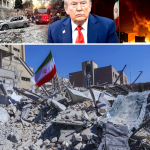
Trump Asserts U.S. Military Superiority as “Epic Fury” Offensive Against Iran Intensifies
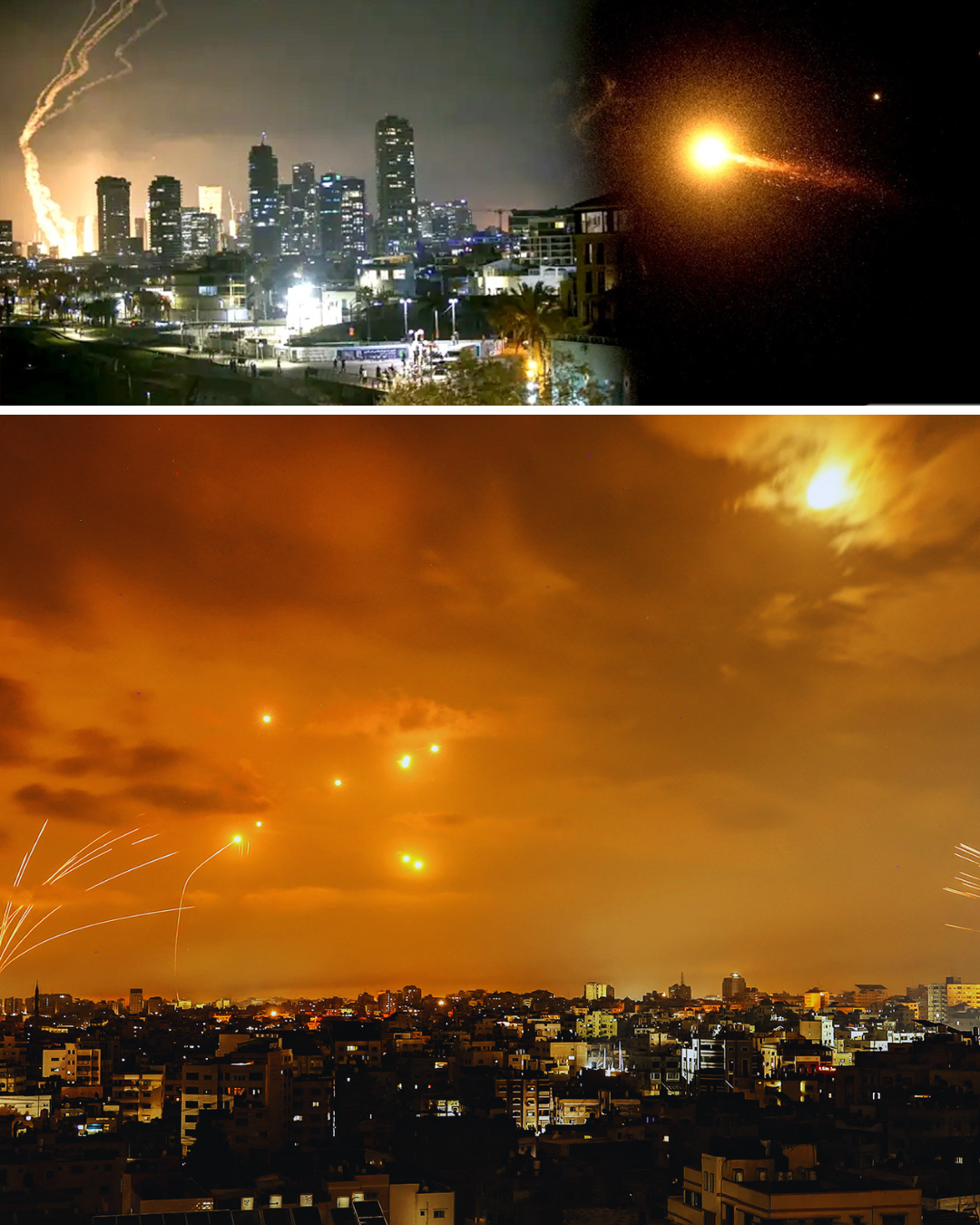
WASHINGTON D.C. — President Donald Trump has issued a defiant message regarding the United States’ military capacity, asserting that the nation possesses a “nearly infinite” supply of weaponry to sustain its ongoing offensive against Iran. His comments come as the Middle East enters a state of high-intensity conflict, characterized by massive aerial bombardments, maritime blockades, and a hardening of diplomatic stances on both sides.
“Infinite” Arsenal and Strategic Readiness
Responding to reports in the Wall Street Journal that suggested Washington was racing to destroy Iranian missile stocks before depleting its own interceptor missiles, President Trump struck a triumphant tone. In an address on March 2, the President dismissed concerns of a munitions shortage, stating that the U.S. supply of weapons is nearly limitless. “Conflicts can last forever and be very successful with this supply alone,” Trump asserted, highlighting that American stockpiles are currently maintained at high-medium to top-tier levels.
The President further revealed that the U.S. has strategically positioned a vast amount of weaponry across various allied nations, ensuring that the military remains “fully prepared to win big.” This rhetoric underscores a shift toward a strategy of sustained pressure, intended to dismantle Iran’s nuclear ambitions and offensive capabilities once and for all.
Avoiding the “Endless War” Trap
U.S. Defense Secretary Pete Hegseth clarified the administration’s military vision, emphasizing a departure from the “endless wars” of previous decades. While Hegseth left the door open for the deployment of ground troops, he stressed that the U.S. would not be drawn into a long-term occupation similar to the Iraq conflict.
“We have proven that we can achieve our goals without acting recklessly,” Hegseth stated. He noted that the primary objectives of the current campaign—neutralizing Iran’s missile production, destroying its navy, and ensuring it never possesses nuclear weapons—could be achieved through precision strikes rather than a massive ground invasion. However, he warned that the U.S. would no longer “publicly telegraph” its tactical moves to its enemies, calling the practice of announcing troop limits “foolish.”
The “Hormuz Card” and Global Economic Fallout
As the kinetic conflict rages, Iran continues to hold a significant strategic lever: the Strait of Hormuz. Responsible for the transit of 20% of the world’s oil and gas, any disruption to this narrow waterway poses a systemic threat to the global economy.
Following news of a potential blockade, global Brent crude prices surged by 13%, surpassing $82 per barrel. Shipping giants, including Maersk, have already suspended transits through the region, opting for the longer route around the Cape of Good Hope. Analysts warn that a sustained closure could push U.S. gasoline prices toward the $3.50 per gallon range, creating immense political pressure on the White House ahead of the mid-term elections.
Casualties and Diplomatic Deadlock
The human cost of the conflict is mounting. U.S. Central Command (CENTCOM) confirmed the first military casualties of the campaign, with reports indicating three U.S. service members killed and five others seriously injured during recent exchanges. Meanwhile, a “friendly fire” incident in Kuwaiti airspace resulted in the loss of three American F-15E Strike Eagles, though all six crew members successfully ejected.
On the diplomatic front, the path to a peaceful resolution remains blocked. Ali Larijani, Secretary of Iran’s Supreme National Security Council, has categorically rejected any possibility of negotiations with Washington, dismissing rumors of back-channel talks via Oman. Larijani accused President Trump of dragging the region into chaos and asserted that the Iranian people are in a state of “national self-defense.”
A Precarious Horizon
With Iran launching over 1,311 missiles and drones in a 48-hour retaliatory window and Washington preparing for a “massive surge” in operations, the conflict shows no signs of an early conclusion. While President Trump claims the Iranian leadership was dismantled in a single day, the Pentagon remains on high alert for a protracted struggle. As the world watches the “Epic Fury” unfold, the question remains whether this decisive action will lead to a new regional order or a global catastrophe.