Operation Epic Fury: U.S. and Israel Neutralize Over 1,700 Iranian Targets as Conflict Escalates
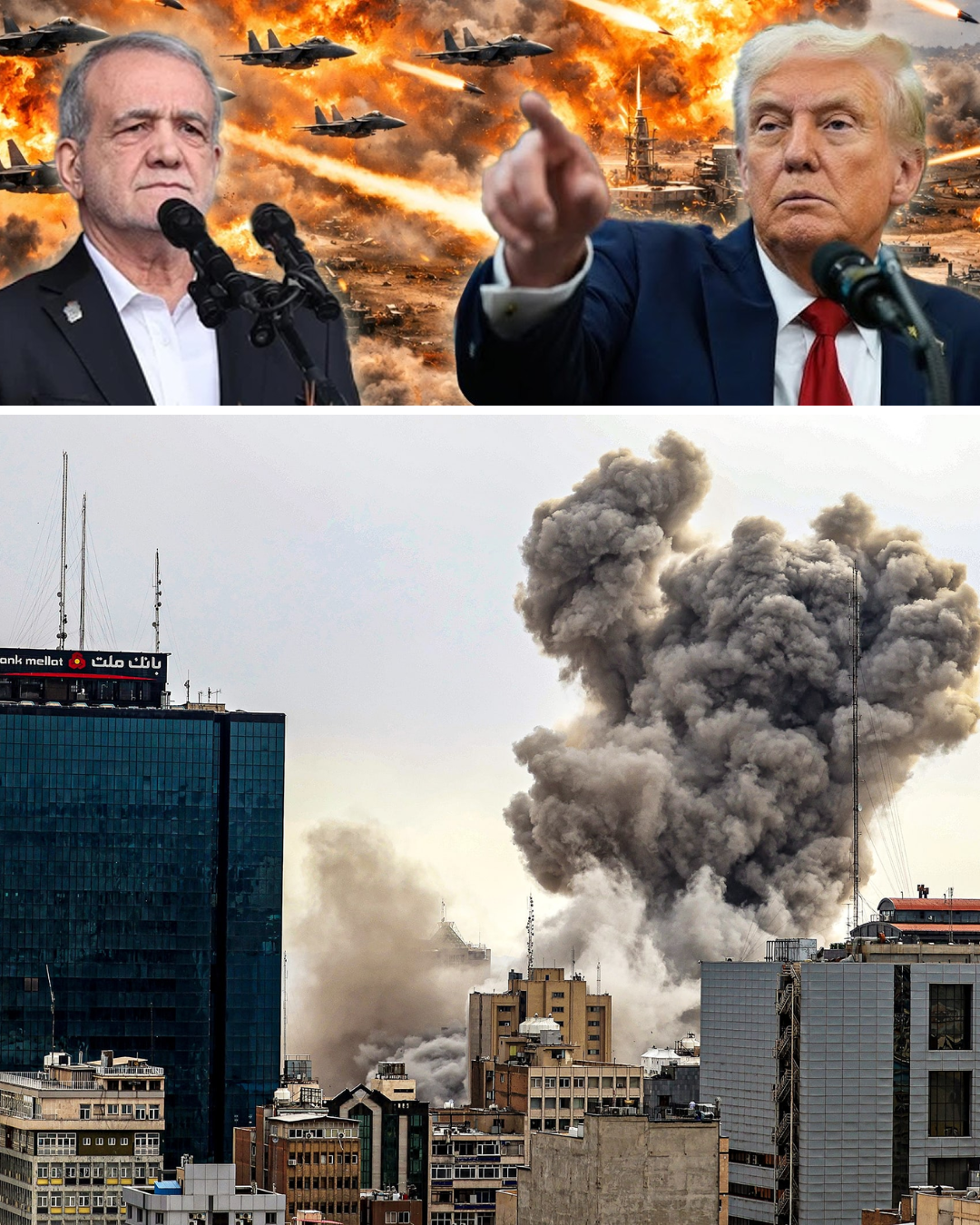
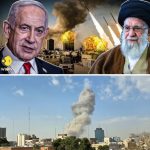
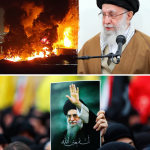
WASHINGTON D.C. / TEHRAN — In a massive escalation of hostilities in the Middle East, U.S. President Donald Trump and U.S. Central Command (CENTCOM) have announced that Iranian military capabilities have been “systematically neutralized” following a wave of high-intensity strikes. The joint U.S.-Israeli campaign, dubbed “Operation Epic Fury,” has reportedly struck over 1,700 targets across Iran since its commencement on February 28.
According to a statement from CENTCOM on March 3, the offensive has targeted critical Iranian infrastructure, including missile launch sites, warships, submarines, and strategic command centers. The U.S. military has deployed a formidable array of long-range assets, including B-1 and B-52 strategic bombers, alongside F-15 fighter jets and Tomahawk cruise missiles launched from naval vessels in the region.
“Too Late for Negotiations”
President Donald Trump, during a high-profile meeting with German Chancellor Friedrich Merz, declared that Iran’s primary military branches have been rendered ineffective. “They no longer have a navy; it has been neutralized. They no longer have an air force; it has also been neutralized,” Trump stated. He further claimed that Iran’s radar and aerial reconnaissance systems are “virtually non-existent” at this stage.
In a follow-up post on social media, the President revealed that Iranian leadership had reached out for potential negotiations. However, Trump firmly shut the door on diplomacy, writing: “Their air defense, air force, navy, and leadership are gone. They want to negotiate, but I say it is too late.” He also noted that the ongoing strikes have successfully eliminated several high-ranking individuals who were considered potential candidates for future leadership roles within the Iranian regime.
Regional Retaliation and Secret Facilities
The conflict has not been one-sided. Israel launched a new wave of strikes on the morning of March 4, targeting missile defense systems across Iranian territory. This move followed a series of Iranian retaliatory strikes, which reportedly included two ballistic missiles fired toward Qatar. One of these missiles reportedly struck the Al-Udeid Air Base, though no casualties were confirmed.
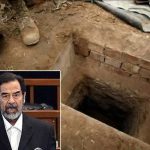
A significant development in the campaign was the reported destruction of a “secret underground nuclear facility” by the Israel Defense Forces (IDF). IDF spokesperson Brig. Gen. Daniel Hagari identified the site as “Mizdeh,” a semi-submerged complex on the outskirts of Tehran. According to Israeli intelligence, a team of scientists had been using the facility to secretly develop components necessary for nuclear weaponry, moving operations underground following previous strikes in mid-2025.
Economic Shielding and Energy Markets
Amid the military campaign, President Trump has taken decisive steps to stabilize global energy markets. He announced that the U.S. Navy could begin escorting oil tankers through the Strait of Hormuz to ensure the “free flow of energy to the world.” Additionally, the U.S. International Development Finance Corporation has been directed to provide political risk insurance and financial guarantees for maritime trade in the Gulf.
While Brent crude prices surged by over 4% to peak at $81.40 per barrel on March 3, Trump reassured the American public that any price hikes would be temporary. “The American people may have to accept higher oil prices for a short time, but once this is over, prices will drop even lower than before,” he predicted.
International Alarm
The intensity of the strikes has drawn sharp criticism from Moscow. Russian Foreign Minister Sergey Lavrov warned that the U.S.-Israeli campaign could backfire, potentially triggering a nuclear arms race among neighboring Arab nations. “What is happening in the Middle East could stimulate exactly the opposite reaction to non-proliferation,” Lavrov stated, noting that Russia is actively working to de-escalate the situation through diplomatic channels.
As Operation Epic Fury enters its second week, the geopolitical map of the Middle East remains in a state of flux, with the international community bracing for the long-term consequences of this unprecedented military intervention.