Blessed by the Tree of Life
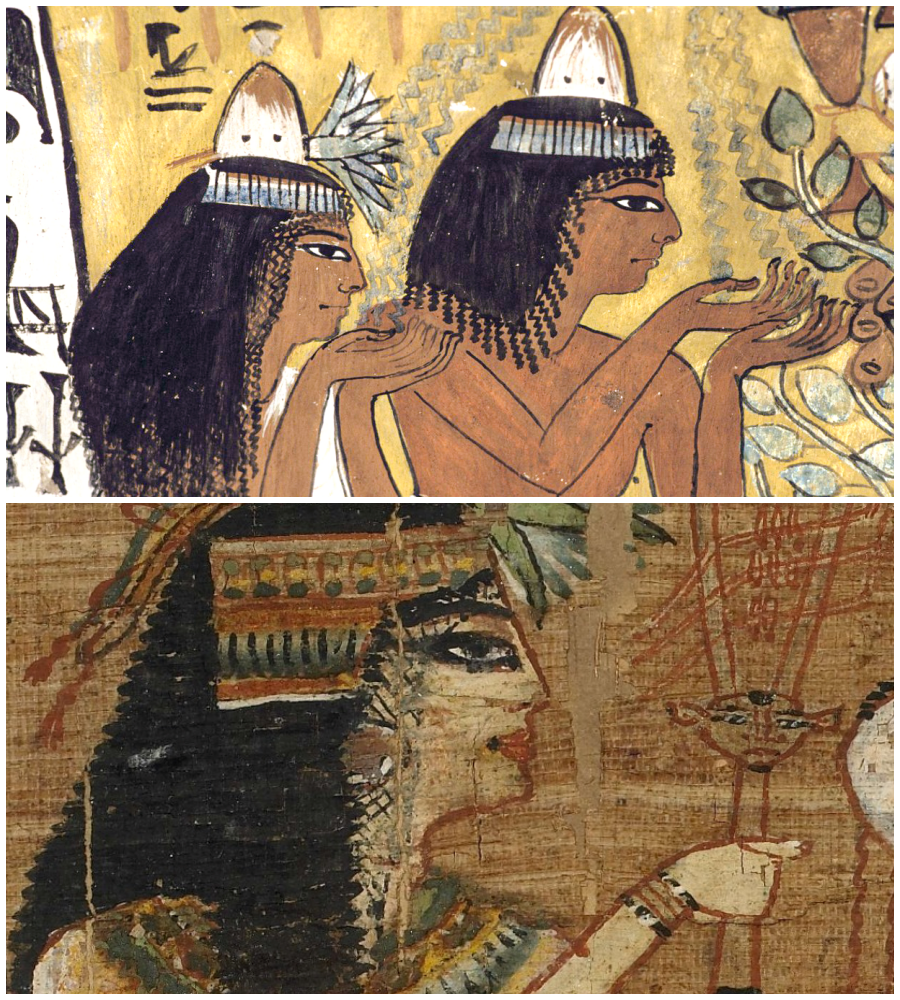
Sennedjem and his wife Iyneferti receiving blessing from the Tree Goddess
New Kingdom, 19th Dynasty, c. 1292–1189 B.C.
Door from the Tomb of Sennedjem (TT1), Deir el-Medina, Thebes
From the beautifully preserved tomb of Sennedjem at Deir el-Medina comes one of the most tender and symbolically rich scenes of Egyptian funerary art.
Sennedjem — whose name means “sweet brother” — was an artisan who worked on the royal tombs in the Valley of the Kings. Though not a pharaoh or nobleman, his burial reflects the devotion and artistic refinement of the skilled community that served Egypt’s kings.
In this scene, he is followed by his wife, Iyneferti, as they approach the sacred Tree Goddess. Emerging from the branches of a sycamore fig tree, the goddess extends offerings of water and sustenance to the couple. In Egyptian belief, this divine tree symbolized nourishment, rebirth, and eternal life. The goddess — often identified with Hathor or Nut — provides cool water to refresh the souls of the blessed dead in the afterlife.
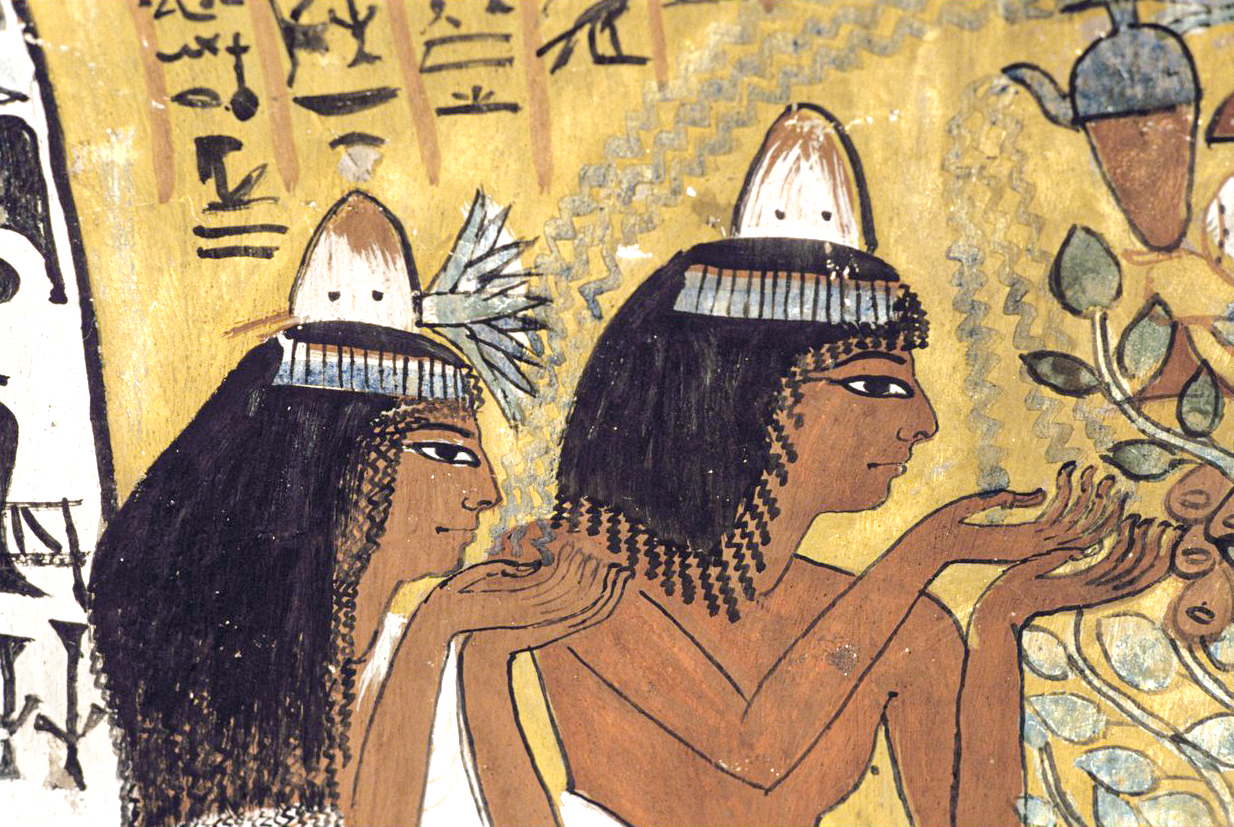
The composition is intimate and serene. The couple’s gestures are reverent yet calm, their white garments crisp against the warm tones of the painted surface. The tree arches protectively above them, its leaves forming a canopy of divine care.
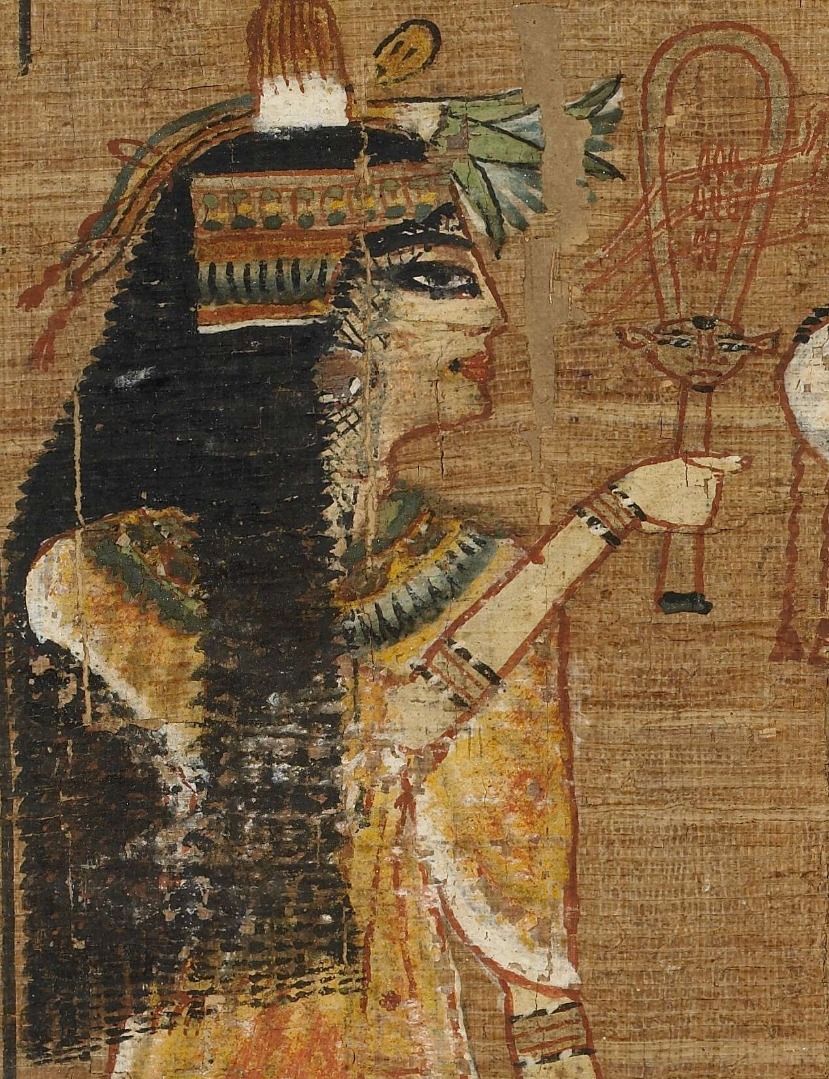
Scenes like this reflect a deeply personal vision of eternity — not grand conquest or royal triumph, but reunion, sustenance, and peace. In the Field of Reeds, the righteous would continue life in an idealized form, sustained by the gods.
Through this painted doorway, carved and colored over three millennia ago, we glimpse a hope that transcends time: that beyond death, there is blessing, companionship, and renewal.