3.465 Russia Tightens its Pincer in Pokrovsk, Middle East on the Brink of Full-Scale Conflict
MOSCOW / KYIV / TEHRAN — The conflict in Ukraine is entering an extremely tense phase as Russian forces increase pressure on strategic hotspots, particularly in the Pokrovsk area. Meanwhile, in the Middle East, retaliatory attacks by Iran targeting US and Israeli interests are pushing the region into an unprecedented military escalation.
Ukrainian Front: Pokrovsk Becomes a “Death Zone”
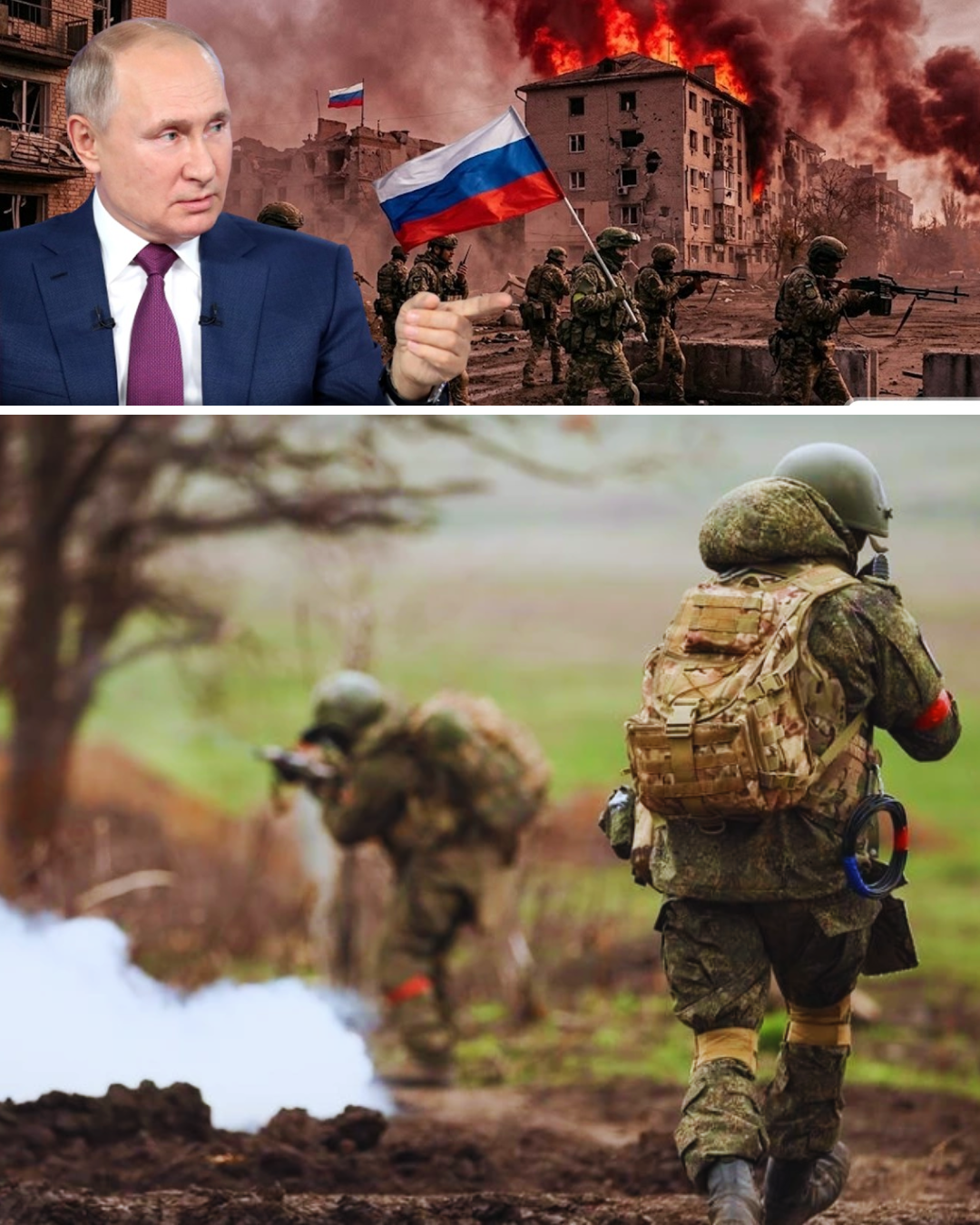
According to the latest report from the General Staff of the Ukrainian Army, Russian forces have carried out more than 120 engagements along the entire front line in just 24 hours. The focus of this offensive is the Pokrovsk area in Donetsk province, where Moscow has launched dozens of high-intensity raids to put Ukrainian forces on the defensive.
Besides ground attacks, Russia used overwhelming firepower with 46 airstrikes, more than 170 guided bombs, and nearly 3,700 suicide drones. In other areas such as Sumi and Kharkiv, Russia also claimed to have gained control of strategic settlements like Bobylevka and Veselyanka. Ukraine acknowledged the situation was “heating up” on all fronts but insisted it was holding key positions and inflicting significant losses on the enemy.
Middle East: Sophisticated Intelligence Operation and the Departure of the Iranian Leader
In a shocking development in the Middle East, the Financial Times revealed that Israeli intelligence had infiltrated Tehran’s traffic camera system for years. This data is believed to have been key to Israel and the CIA’s ability to accurately determine the daily routines and locations of Iran’s Supreme Leader Ali Khamenei, leading to the shocking assassination attempt on the morning of February 28.
According to intelligence sources, sophisticated algorithms helped map out the “daily patterns” of Khamenei’s security detail, even the preferred parking spots of the targets. This allowed the US and Israel to carry out precise strikes against Iranian command centers and defense intelligence agencies.
International Response and Tehran’s Retaliation
In response to the US-Israel coalition airstrikes, Tehran launched more than 500 ballistic missiles and 2,000 UAVs at a range of targets in the region. Notably, British bases in Cyprus and a warehouse at a French naval base in Abu Dhabi (UAE) were also targeted.
French President Emmanuel Macron convened an emergency meeting of the Defense Council and decided to deploy the aircraft carrier Charles de Gaulle and its naval task force to the Eastern Mediterranean to protect citizens and allied partners. Meanwhile, the US and seven allied countries in the Middle East issued a joint statement strongly condemning Iran’s actions as “a dangerous and reckless escalation.”
The Importance of Ukrainian Air Defense Experience
Amidst the escalating conflict, Ukrainian President Volodymyr Zelensky affirmed that Ukraine’s combat experience in intercepting Iranian-made UAVs (such as the Shahed) is “irreplaceable.” Zelensky stated that Kyiv is ready to share these defense techniques with its allies to counter the common threat from Tehran.
Currently, both Eastern Europe and the Middle East are on the highest alert. The world is holding its breath, watching to see if diplomatic efforts can avert a full-scale war, as the warring parties continue to launch decisive attacks.