Hormuz Under Siege: Iran’s 6,000-Mine Arsenal Ignites Global Energy Crisis as U.S. Weighs Military Options
WASHINGTON, D.C. – The Strait of Hormuz, the world’s most vital energy artery, is currently the epicenter of a tectonic shift in global security. Following the most significant joint U.S.-Israeli strikes on Iran in decades, Tehran’s reported move to paralyze maritime traffic has sent oil markets into a tailspin and brought international trade to a standstill. As satellite imagery reveals a massive backlog of tankers near regional hubs like Fujairah, U.S. intelligence has issued a chilling warning regarding Iran’s “asymmetric” naval strategy.
The Hidden Threat: 6,000 Mines in Shifting Waters
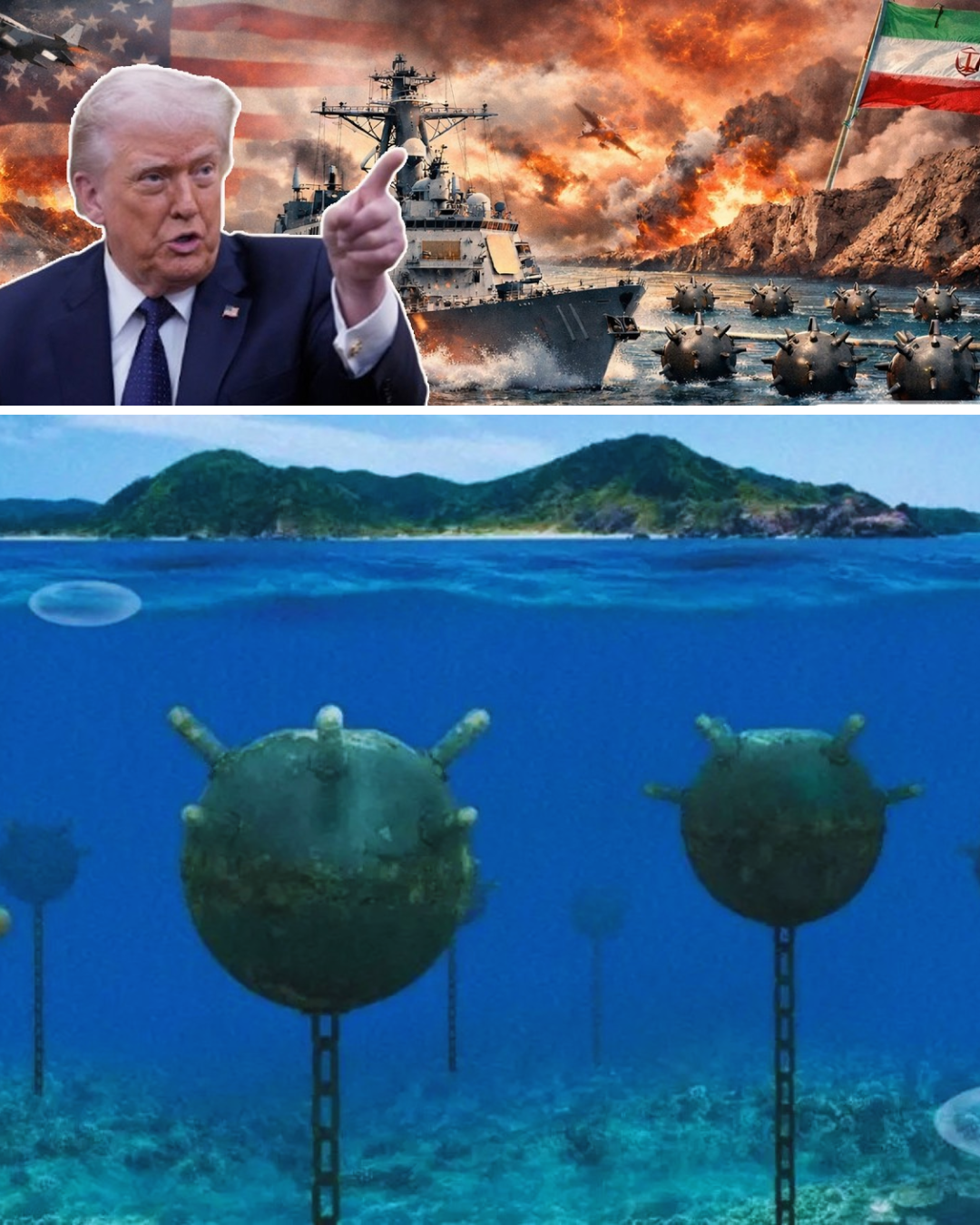
According to U.S. intelligence estimates, Iran has stockpiled approximately 6,000 naval mines, including drifting, limpet, bottom-dwelling, and moored varieties. Experts warn that these weapons pose a severe threat in the narrow, shallow corridors of the Strait of Hormuz.
Scarlett Suarez, a senior analyst at the U.K.-based maritime risk firm Dryad Global, noted that Iran’s coastal geography allows for rapid deployment of these mines via high-speed attack craft, submarines, and other platforms. While a large-scale mining operation has not yet been independently verified, the mere threat of selective mine deployment has been enough to force major shipping giants like Maersk to suspend all transits through the region.
The physical danger became reality on March 1, when an unidentified flying object struck the MT Desh Vayu, a Marshall Islands-flagged tanker, killing one crew member. Two other tankers, including the Gibraltar-flagged Hercules Star, also sustained damage in separate incidents off the coasts of Oman and the UAE.
Washington’s Strategic Ambiguity
In Washington, the rhetoric has shifted from deterrence to a grim preparation for potential ground engagement. U.S. Secretary of Defense Pete Hegseth recently left the door open for deploying ground troops, though he emphasized that President Donald Trump intends to avoid the pitfalls of a “forever war” similar to the Iraq invasion.
“We will not fall into the trap of publicly stating what we will or will not do,” Hegseth told reporters, championing a doctrine of strategic unpredictability. He clarified that the administration does not believe a massive 20-year occupation involving 200,000 troops is necessary to achieve U.S. objectives. Those goals remain focused: dismantling Iran’s missile production, neutralizing its navy, and ensuring the regime never acquires a nuclear weapon.
However, military analysts caution that even a limited ground operation could quickly escalate. General Dan Kerwin, Chairman of the Joint Chiefs of Staff, warned that American casualties are likely to rise. The risks of “mission creep”—where a small special forces deployment balloons into a large-scale occupation—remain a primary concern for policymakers.
The Economic “Oil Shock”
The closure of the Strait of Hormuz—through which 20% of the world’s oil and liquefied natural gas (LNG) flows daily—is already hitting the pockets of consumers worldwide. Brent crude prices surged 13% to over $82 per barrel as Asian markets reopened on March 2. In the United States, analysts predict that average gasoline prices could jump from $2.95 to over $3.50 per gallon within months.
This economic pressure comes at a sensitive time for the Trump administration, with the cost of living being a top concern for voters ahead of the midterm elections. While Iran risks its own oil revenue by closing the strait, the leverage it gains over the global economy provides a potent counterweight to U.S. military superiority.
Aerial Combat Escalation
The intensity of the conflict was further highlighted by reports of an American F-15E Strike Eagle crashing in Kuwait. Social media footage appeared to show the aircraft spinning out of control with a fire on its fuselage before two pilots ejected safely. While Kuwaiti authorities claim their air defenses have intercepted most incoming drones, the loss of an F-15—a cornerstone of U.S. air power—marks a significant moment in the ongoing aerial campaign.
As both sides remain entrenched, the Strait of Hormuz stands as a volatile barometer of the conflict. Whether Iran officially declares the passage closed or continues a campaign of “shadow warfare,” the disruption has already succeeded in unsettling the global economic order and forcing a recalibration of Western military strategy in the Middle East.