Middle East on the Brink: Qatar Intercepts Iranian Bombers as U.S. “Epic Fury” Decimates Tehran’s Naval Power
DOHA / WASHINGTON – The geopolitical landscape of the Middle East has shifted into a state of high-intensity conflict following a series of unprecedented military engagements. In a dramatic escalation, Qatari F-15 fighter jets intercepted and downed two Iranian Su-24 tactical bombers targeting strategic installations, while U.S. Central Command (CENTCOM) announced the near-total destruction of Iran’s naval presence in the Persian Gulf.
The Aerial Confrontation Over Qatar
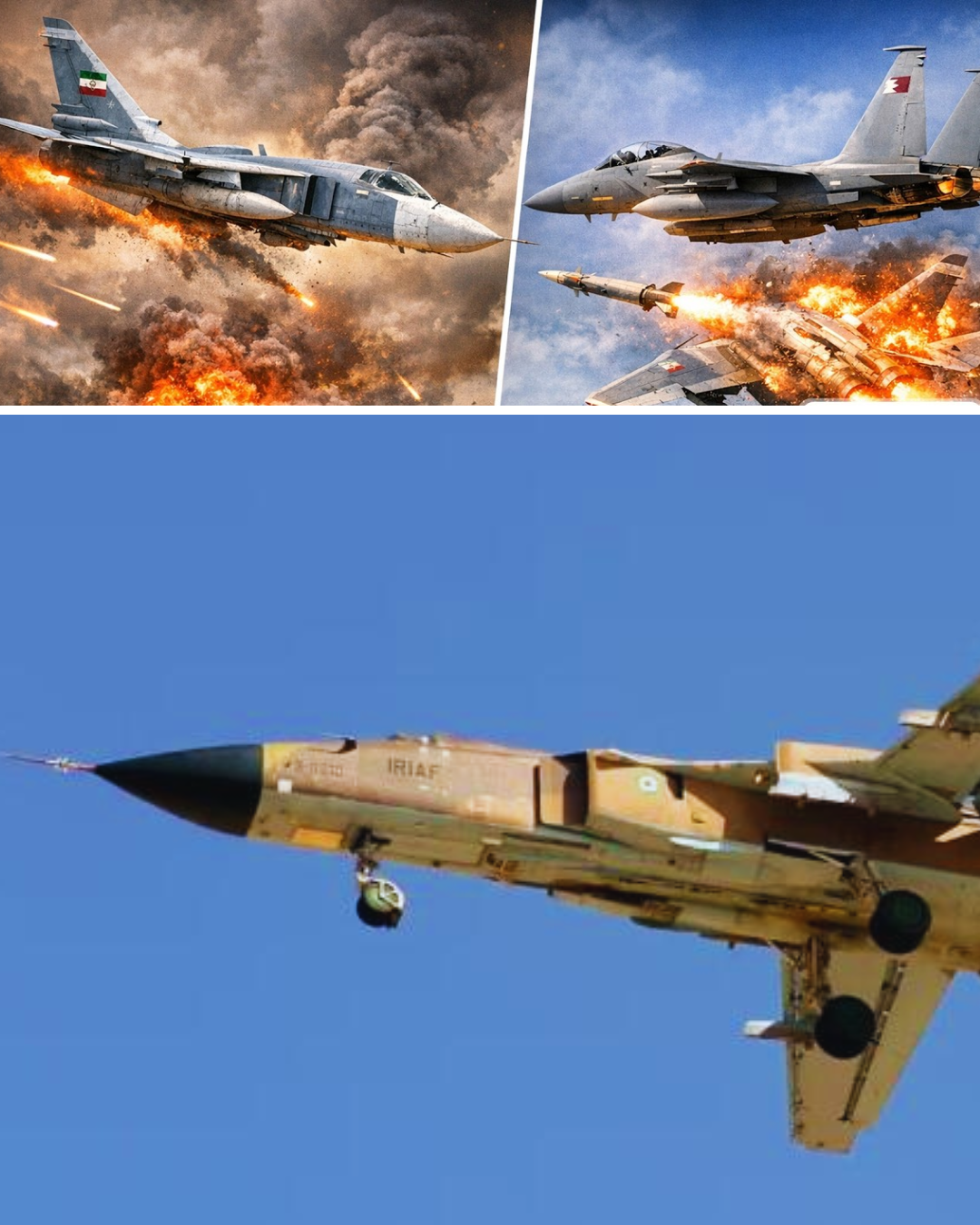
On the morning of March 2, the Islamic Revolutionary Guard Corps (IRGC) dispatched two Su-24 bombers toward high-value targets in Qatar, including the Al Udeid Air Base—the largest U.S. military facility in the region—and the critical natural gas processing hub at Ras Laffan. Sources indicate the Iranian aircraft were less than two minutes away from their targets, flying at low altitudes to evade radar, and were visually identified carrying guided munitions.
After radio warnings went unheeded, Qatar scrambled its air force. In its first-ever direct aerial combat engagement, a Qatari F-15 engaged and destroyed both Iranian bombers over Qatari territorial waters. General Dan Kerwin, Chairman of the Joint Chiefs of Staff, confirmed the incident, marking a significant shift as Tehran deployed manned aircraft against a neighbor for the first time since the reported death of its Supreme Leader during joint U.S.-Israeli operations.
Qatari Prime Minister Mohammed bin Abdulrahman Al Thani condemned the move as a “dangerous escalation,” accusing Iran of attempting to drag neighboring states into a war not of their making.
Operation “Epic Fury” and Naval Attrition
Simultaneously, the United States has accelerated “Operation Epic Fury,” a massive military campaign launched on February 28 alongside Israel’s “Operation Lion’s Roar.” Admiral Brad Cooper, Commander of CENTCOM, declared that the primary objective of neutralizing Iran’s naval capability is nearing completion.
According to Admiral Cooper, the U.S. has mobilized over 50,000 troops and 200 combat aircraft, maintaining a 24/7 strike tempo. “We are focusing on shooting down everything that can fire at us,” Cooper stated. He revealed that 17 Iranian vessels, including the regime’s most active submarine, have been destroyed. For the first time in decades, the U.S. asserts that no operational Iranian naval assets remain in the Persian Gulf, the Strait of Hormuz, or the Gulf of Oman.
The campaign has utilized the full spectrum of American fire power, including B-2 stealth bombers, Tomahawk cruise missiles launched from destroyers, and HIMARS rocket systems operated by ground forces.
Regional Retaliation and Civilian Impact
Tehran has responded with a massive barrage of over 500 ballistic missiles and 2,000 unmanned aerial vehicles (UAVs) targeting U.S. bases and allied nations. While the majority of these threats were intercepted, the “collateral chaos” has been devastating for Gulf Arab states.
In Dubai and Manama, intercepted missile debris has caused significant damage to luxury hotels, shopping malls, and residential towers. Notable sites, including the Crown Plaza in Bahrain and resorts on Dubai’s Palm Jumeirah, have reported fire and structural damage. The conflict has claimed the lives of six U.S. service members after a warhead struck a temporary operations center at the Port of Shuaiba in Kuwait.
Domestic Unrest and a Leaderless Regime
Inside Iran, the atmosphere is one of grief and fury. Following reports that Supreme Leader Ali Khamenei was killed in a joint strike on Tehran, thousands have taken to the streets in cities like Isfahan and Qom, demanding immediate military vengeance. The Iranian government has declared 40 days of national mourning and a week-long nationwide shutdown.
The Road Ahead
President Donald Trump has asserted that the military campaign will continue “without interruption” until regional stability is restored. However, with the first instance of manned aerial combat between Iran and a Gulf neighbor, and the systematic dismantling of Tehran’s conventional military branches, the conflict has entered uncharted territory. As the “Epic Fury” continues, the international community remains on high alert, watching as the shadow of a wider regional war looms larger than ever.