Escalation in the Indian Ocean: U.S. Submarine Sinks Iranian Warship as Regional Conflict Intensifies
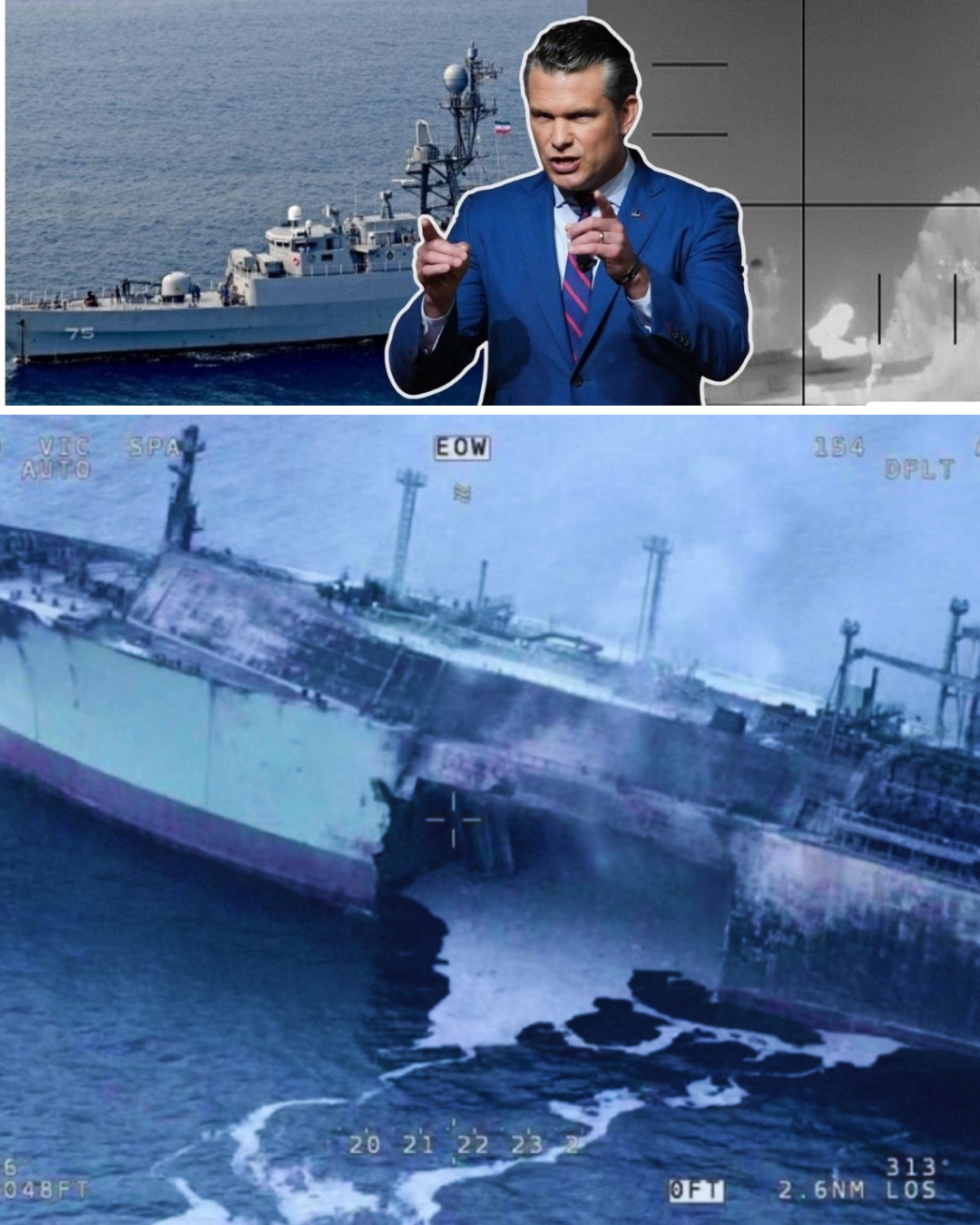
COLOMBO / WASHINGTON – The geopolitical landscape of the Middle East and South Asia has shifted into a perilous new phase following a dramatic naval engagement in the Indian Ocean. On Wednesday, the Pentagon confirmed that a United States Navy submarine torpedoed and sank an Iranian warship off the coast of Sri Lanka. This event marks a historic escalation, representing the first time the U.S. has utilized torpedoes to sink an enemy vessel since World War II.
Naval Engagement and Humanitarian Toll
The sinking occurred amidst a series of mysterious maritime incidents across the region. Sri Lankan authorities reported the recovery of 87 bodies, identified as Iranian sailors, following the strike. This engagement is the fourth major maritime attack recorded in the past 24 hours, following similar incidents near the coasts of Oman and the United Arab Emirates.
U.S. Secretary of War Pete Hegseth characterized the strike as part of “Operation Epic Fury,” a massive military campaign aimed at neutralizing Iranian military capabilities. According to Hegseth, the current U.S. operations against Iran are seven times more intensive than the previous 12-day conflict initiated by Israel earlier this year.
Operation “Epic Fury”: A Campaign of Unprecedented Scale
Speaking from Washington, Hegseth detailed the scale of the offensive, stating that the U.S. has deployed double the air power used during “Operation Iraqi Freedom” in 2003. “We will continue to launch new strikes on an even larger scale,” Hegseth warned, asserting that the joint forces of the U.S. and Israel could achieve total control over Iranian airspace in less than a week.
The U.S. arsenal being utilized includes a vast, “nearly unlimited” supply of GPS and laser-guided munitions, ranging from 500-pound bombs to the devastating 2,000-pound “bunker busters.” The strategic goal is the systematic dismantling of the Iranian regime and its military infrastructure.
The Lebanon Front and Strategic Maneuvers
Simultaneously, the Israel Defense Forces (IDF) have ramped up their operations in Lebanon. Since Hezbollah entered the conflict, the IDF has struck over 250 targets across Lebanese territory, including command centers, rocket launchers, and weapons depots. Notable strikes occurred in the Nabatieh region, targeting facilities used to launch missiles at Haifa and Tel Aviv.
In a dual-front strategy, the IDF has also conducted a series of air raids on Tehran, specifically targeting the headquarters of the Basij paramilitary force and internal security units. Israeli military planners anticipate the campaign will last at least another one to two weeks, with thousands of additional targets already identified.
International Reactions and Fallout
The rapid expansion of the conflict has drawn sharp warnings from global powers. Russia’s Foreign Ministry spokesperson, Maria Zakharova, cautioned that strikes on Iranian nuclear facilities pose “serious radiation risks” to the entire region. “These attacks not only damage the global non-proliferation regime but create real-world radioactive threats on the ground,” Zakharova stated.
In Turkey, the Ministry of Defense reported that NATO-integrated air defense systems intercepted an Iranian ballistic missile over the Eastern Mediterranean before it could enter Turkish airspace. Ankara has warned all parties that it reserves the right to respond to any hostile actions.
Furthermore, a diplomatic rift is emerging between Washington and Europe. Following threats from U.S. President Donald Trump to sever trade ties with Spain over its stance on the conflict, the European Commission vowed to protect the interests of its member states. French President Emmanuel Macron has expressed unwavering solidarity with Spanish Prime Minister Pedro Sanchez, signaling a potential economic confrontation between the EU and Washington.
A Nation in Mourning
Inside Iran, the atmosphere is one of profound instability. The planned state funeral for Supreme Leader Ali Khamenei—who died on February 28 following joint U.S.-Israeli airstrikes—has been postponed. Authorities cited an “unprecedented forecast of attendees” as the reason for the delay. Khamenei had held the highest level of power in Iran since 1989, serving as the final arbiter of the nation’s foreign, military, and nuclear policies.
As regional powers like Egypt, Saudi Arabia, and the UAE hold urgent talks to prevent a total regional collapse, the sinking of the Iranian warship in the Indian Ocean serves as a grim reminder that the current conflict is no longer confined to the borders of the Middle East.