Middle East Aerial Dominance: Israeli F-35 Downs Iranian Yak-130 as Conflict Widens
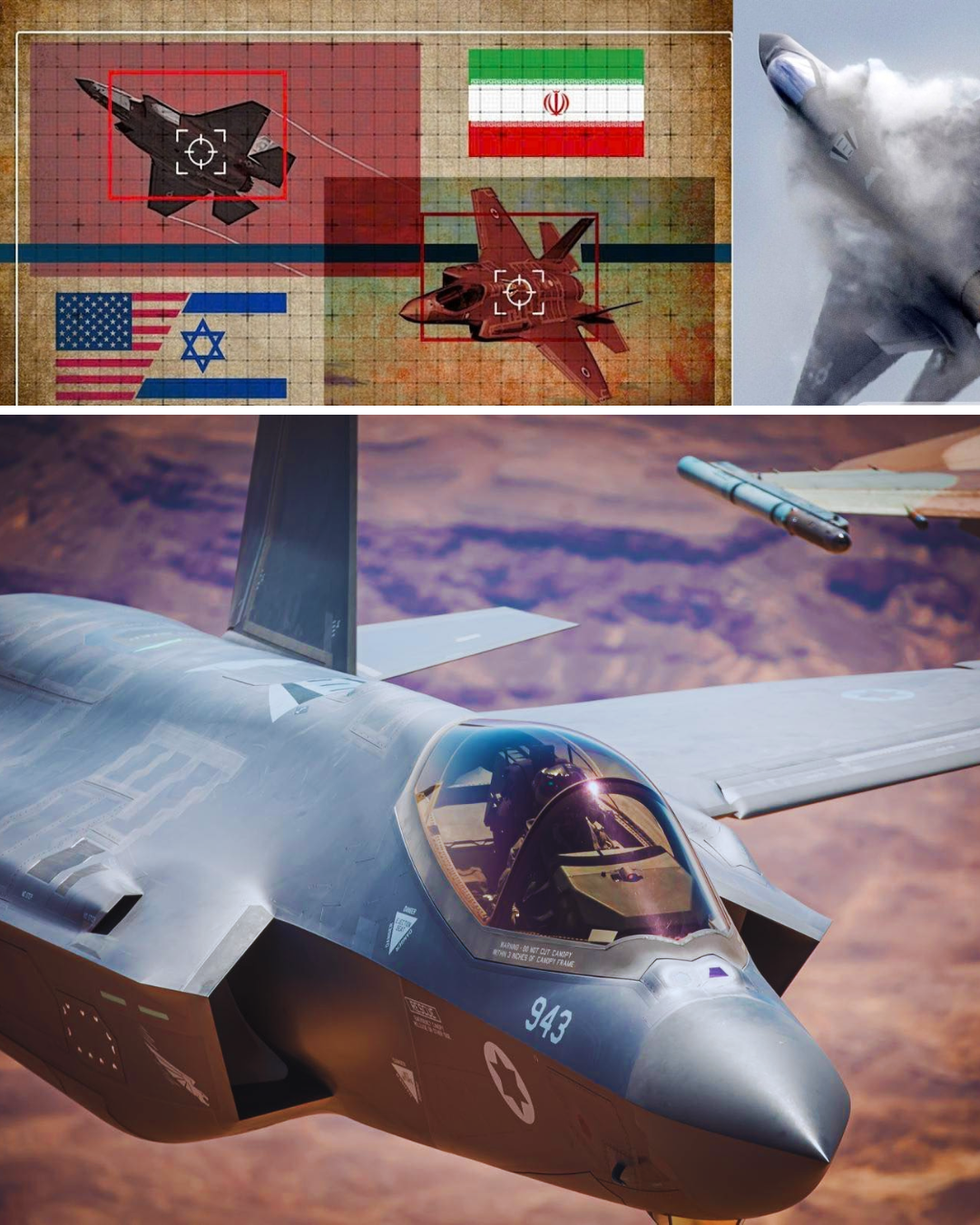
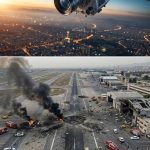
TEHRAN / TEL AVIV – The skies over the Iranian capital became the stage for a historic military milestone on Wednesday. The Israel Air Force (IAF) confirmed that an F-35i “Adir” stealth fighter successfully intercepted and shot down an Iranian Yak-130 combat trainer, marking the first time in aviation history that an F-35 has recorded a manned-to-manned kill in active combat.
A Historic Dogfight over Tehran
The engagement, which took place at noon on March 4, represents the first time in approximately 40 years that the IAF has been involved in a direct dogfight with a manned enemy aircraft. The last such encounter occurred in November 1985, when Israeli F-15s downed two Syrian MiG-23s over Lebanon. The destruction of the Russian-made Yak-130 underscores the significant technological gap between the coalition’s fifth-generation assets and Iran’s conventional air defense capabilities.
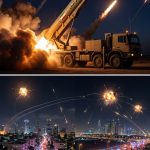
Simultaneously, the Israel Defense Forces (IDF) reported extensive strikes across regional fronts. Since Hezbollah joined the conflict, the IDF has targeted over 250 objectives in Lebanon, including high-ranking officials, rocket launch sites, and weapons depots. Overnight operations in the Nabatieh region reportedly neutralized launch pads aimed at Tel Aviv and Haifa.
Regional Spillover and Defensive Mobilization
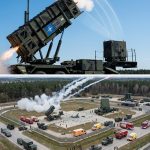
The ripples of the U.S.-Israeli campaign against Iran are being felt across the Gulf. The United Arab Emirates (UAE) reported intercepting three ballistic missiles and 121 out of 129 detected drones in a single day. While no missiles hit their targets, falling debris resulted in three fatalities and 78 minor injuries. Saudi Arabia also confirmed the successful interception of a drone attack targeting the massive Ras Tanura oil refinery, though some minor damage was reported in the surrounding area.
The scale of the conflict is causing severe logistical disruptions. The Russian National Tourism Union reported that approximately 7,000 Russian citizens have already been evacuated from the Middle East, with another 50,000 still in the region. Many remain stranded due to the suspension of transit flights as several countries, including Qatar and Kuwait, have closed their airspaces.
The Looming Radiological Threat
Moscow has issued a stark warning regarding the targeting of Iranian infrastructure. Russian Foreign Ministry spokesperson Maria Zakharova cautioned that strikes near Iranian nuclear facilities pose “serious radiological risks” to the entire region. Zakharova emphasized that these threats are no longer theoretical and called for all parties to respect international safety protocols.
The Bushehr nuclear power plant remains a primary concern, as it currently holds significant amounts of active and spent nuclear fuel. Any damage to the reactor could trigger a regional environmental disaster.
The Succession Vacuum
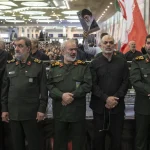
As the military campaign continues, Iran remains in a state of political flux. The planned state funeral for Supreme Leader Ali Khamenei, who died on February 28 following joint strikes, was postponed due to an “unprecedented” expected turnout.
Khamenei, who had been at the helm of Iran’s political and military apparatus since 1989, leaves a profound power vacuum. The IDF has continued to target command centers of the Basij paramilitary force and internal security units, which the regime uses to maintain domestic control.
Diplomatic Deadlock and Humanitarian Crisis
Iranian Foreign Ministry spokesperson Esmaeil Baghaei asserted that the only path to peace is the immediate cessation of “military aggression” by the U.S. and Israel. Meanwhile, European powers like France have begun deploying Rafale fighters to the UAE to protect their own naval and air bases from potential Iranian retaliation.
In South Asia, tensions between Pakistan and Afghanistan have also flared, with Pakistani airstrikes on Taliban positions in Jalalabad destroying ammunition depots and drone storage facilities.
With nearly 300,000 civilians already displaced in Southern Lebanon and global trade routes through the Strait of Hormuz under threat, the international community, led by India and other major powers, is calling for urgent restraint. However, with the IAF maintaining air superiority over Tehran, the conflict shows no immediate signs of de-escalation.