Clash of Titans: Iran Claims Breakthrough Against U.S. Stealth Assets as Middle East Conflict Widens
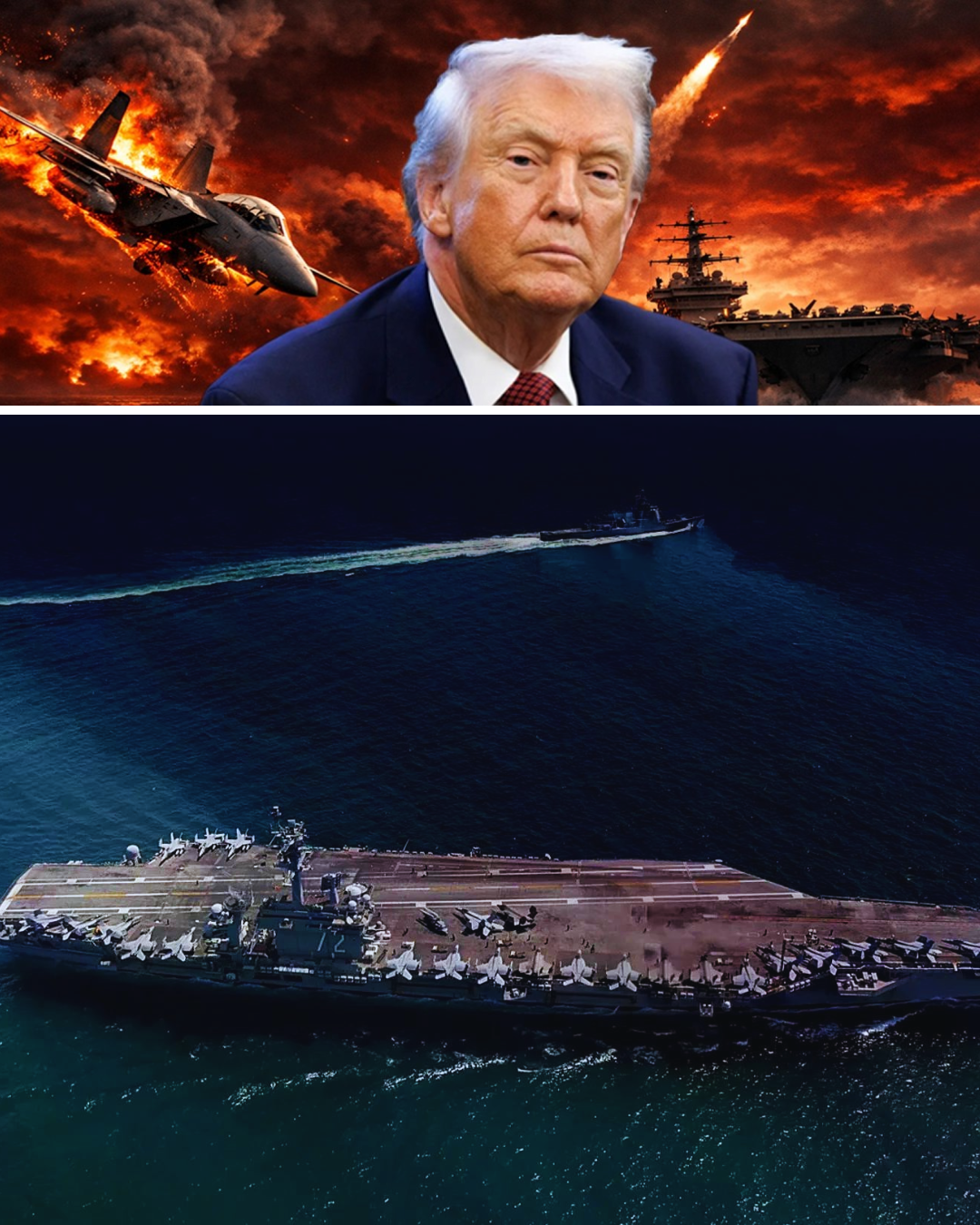
TEHRAN / WASHINGTON – The military confrontation between Iran and the United States has reached a critical inflection point following claims from Tehran that its domestically-produced defense systems have successfully neutralized advanced American stealth aircraft. As the conflict enters a new, more volatile phase, both nations are reporting significant losses, while regional neighbors brace for a potentially protracted war.
The “Secret Weapon” vs. American Stealth
The Tasnim News Agency, citing Iran’s Khatam al-Anbiya Central Command, reported on March 3 that a specialized Iranian defense system has downed three U.S. fighter jets. Most notably, the report claimed the destruction of an F-15 fighter near the Iranian border. While the U.S. Department of Defense confirmed the loss of three aircraft, Washington attributed the incidents to “friendly fire” by regional air defenses rather than Iranian technical prowess, noting that all pilots ejected safely.
However, Brigadier General Ali Mohammad Naeni, spokesperson for the Islamic Revolutionary Guard Corps (IRGC), presented a more aggressive narrative. Announcing the commencement of “Operation True Promise 4,” Naeni claimed that Iranian forces inflicted over 650 casualties on U.S. personnel within the first 48 hours. Furthermore, Tehran asserts that a combination of missile barrages and unmanned aerial vehicle (UAV) swarms forced the USS Abraham Lincoln carrier strike group to retreat from Iranian coastal waters toward the southeastern Indian Ocean.
U.S. Counter-Operations and Industrial Mobilization
In response to these escalations, Admiral Brad Cooper of the U.S. Central Command (CENTCOM) announced a massive counter-offensive. U.S. forces have reportedly struck nearly 2,000 targets within Iran, utilizing over 2,000 warheads. Cooper emphasized that these strikes have severely degraded Iran’s air defenses and destroyed hundreds of ballistic missiles, launchers, and drones. He further claimed that 17 Iranian vessels, including a submarine, were destroyed, effectively clearing Iranian naval activity from the Persian Gulf and the Strait of Hormuz.
The intensity of the conflict has prompted an emergency mobilization of the U.S. defense industrial base. President Donald Trump is scheduled to meet with executives from major defense contractors, including Lockheed Martin and RTX (parent company of Raytheon), to discuss accelerating weapon production. This move follows reports that the conflict with Iran has consumed long-range missiles at a rate far exceeding previous U.S. commitments to other global theaters.
Regional Fallout and Humanitarian Crisis
The conflict, which ignited following joint U.S.-Israeli strikes on February 28, has rapidly spilled over into neighboring Gulf states. Iran has launched retaliatory strikes against military targets in Bahrain, Saudi Arabia, Qatar, Iraq, and the UAE. However, reports from regional governments indicate that these attacks have expanded to civilian infrastructure, including hotels, airports, and energy facilities.
Qatari Foreign Ministry spokesperson Majed al-Ansari condemned the attacks, stating that “all red lines have been crossed.” While regional air defenses have intercepted a significant number of Iranian drones and missiles, falling debris has caused numerous fatalities and ignited fires in densely populated areas.
Diplomatic Breakdown
U.S. Secretary of State Marco Rubio defended the administration’s decision to launch the military campaign, stating that diplomatic efforts regarding Iran’s nuclear program had proved ineffective. “Iran was taking advantage of us,” Rubio remarked, characterizing the regime as an “unacceptable threat.” President Trump echoed these sentiments, suggesting that a preemptive strike was necessary to prevent an imminent Iranian offensive. “Iran would have attacked first if we didn’t,” Trump stated, noting that the regime’s missile stockpiles are now “plummeting.”
As the Iranian Red Crescent reports at least 787 fatalities within Iran and the conflict claims lives across Israel and U.S. bases, the international community remains on high alert. With no immediate signs of a ceasefire and both sides doubling down on military force, the Middle East faces its most significant security challenge in a generation.