CRISIS IN THE MIDDLE EAST: HUNDREDS OF RUSSIAN PERSONNEL TRAPPED AT IRANIAN NUCLEAR PLANT AMIDST FIRE AND SHRIMPING
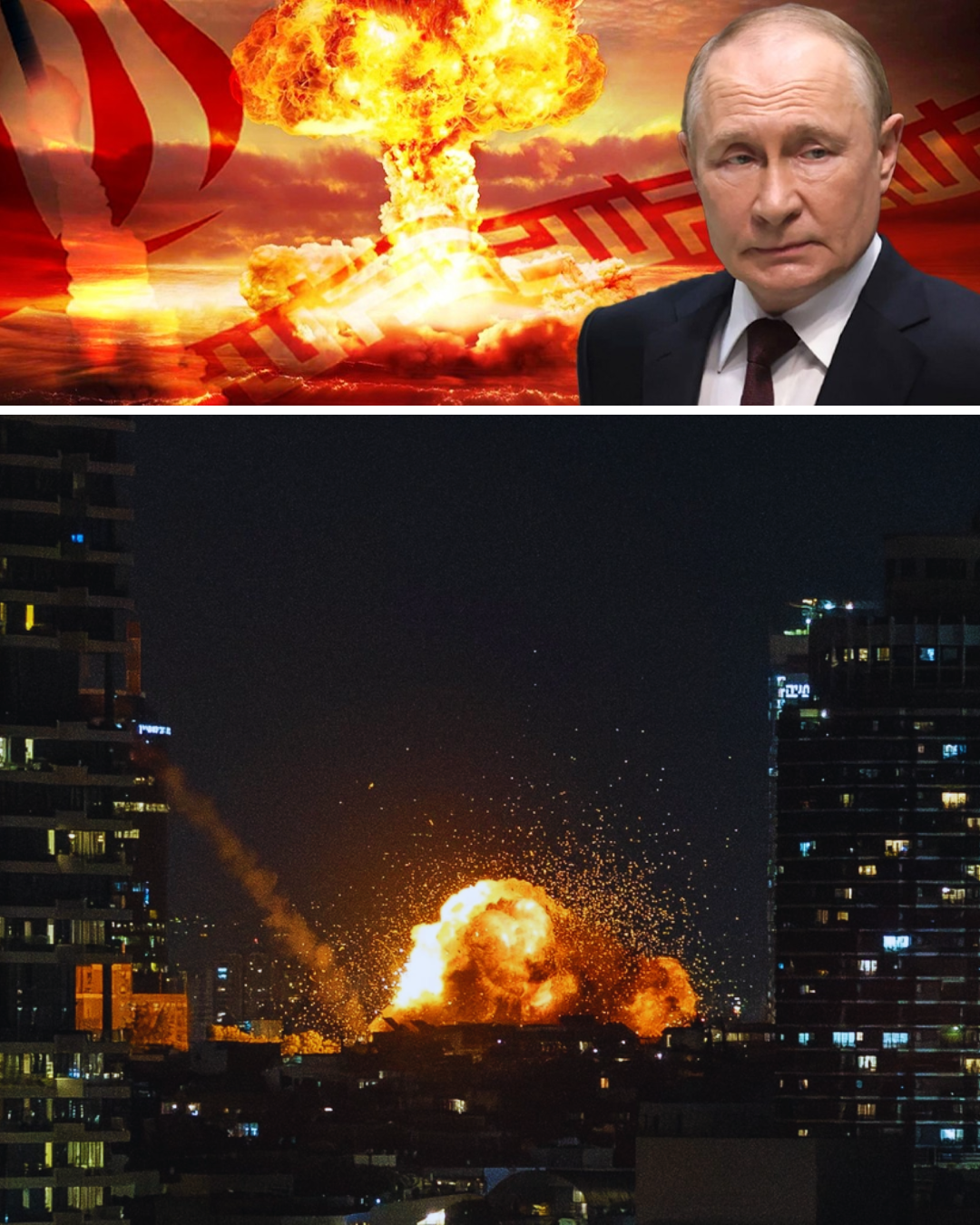
Amidst unprecedented escalation of military conflict in the Middle East, the world faces the imminent threat of a nuclear catastrophe. The latest information from the Russian State Atomic Energy Corporation (Rosatom) indicates that the situation at Iran’s Bushehr nuclear power plant is in a state of red alert, with hundreds of Russian citizens trapped and all communication channels with local nuclear leaders completely cut off.
The Isolation of Russian Experts and the Fear of Disaster
According to a statement by Rosatom General Director Alexey Likhachev, there are currently 639 Russian citizens present at the Bushehr nuclear power plant. Of these, priority groups such as children have been evacuated, but the majority of remaining personnel are still being held out in extremely precarious security conditions. Mr. Likhachev stressed that although evacuation plans by bus have been prepared, movement is only possible when the military situation allows for “lulls” between airstrikes.
More concerningly, Rosatom confirmed that it has completely lost contact with the leadership of Iran’s nuclear industry. All attempts to connect via telephone and email have been unanswered, leaving the actual status of the uranium enrichment facilities at Fordow and Natanz in the dark. Initial reports believe these facilities, along with the research reactor in Tehran, have been hit by military attacks.
Rosatom leaders issued a stern warning of a “regional-scale catastrophe” if the Bushehr plant is hit. With 72 tons of active fuel and 210 tons of spent nuclear fuel, an incident here would release a massive amount of fissile material, causing unforeseen consequences for the entire region.
The conflict escalates and retaliates across borders
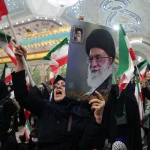
The crisis stemmed from the massive air campaigns by the US and Israel targeting Iran from February 28, which are believed to have killed Supreme Leader Ayatollah Ali Khamenei and many high-ranking officials. In response, the Iranian Islamic Revolutionary Guard Corps (IRGC) launched retaliatory attacks with missiles and unmanned aerial vehicles (UAVs) targeting diplomatic and economic targets across the Gulf.
Not only military bases, but civilian and economic infrastructure also became targets. Amazon Web Services (AWS) confirmed that two data centers in the UAE were hit by UAVs, causing serious disruptions to cloud computing services in the region. In Qatar, the world’s leading LNG producer, Qatar Energy, also had to temporarily suspend operations at some facilities after the attacks, causing gas prices in Europe to immediately surge by 50%.
Tensions engulf Europe and international reactions
Amidst the volatile situation, Iran issued a direct warning to Europe. Tehran declared that any intervention or defensive support from European countries would be considered “acts of war” and would be met with attacks targeting European cities.
This threat comes as countries like France, Germany, and the UK are increasing their military presence to protect bases and allies in the region. French President Emmanuel Macron even ordered an increase in the nuclear arsenal and proposed a program to distribute French nuclear assets across the continent to enhance deterrence.
Meanwhile, the United Nations and many countries such as Turkey and Canada are working to urge all parties to exercise maximum restraint and return to the negotiating table to prevent a full-scale war. The UN High Commissioner for Human Rights expressed his shock at the horrific impact of the conflict on civilians and essential infrastructure .
The current crisis is not only a test of regional security but also a thorny issue for international relations, as the line between local conflict and global nuclear catastrophe is becoming thinner than ever.