MIDDLE EAST CRISIS: QATAR DECLARES “CROSSING THE RED LINE,” US TIGHTENS MILITARY COERCION AGAINST IRAN
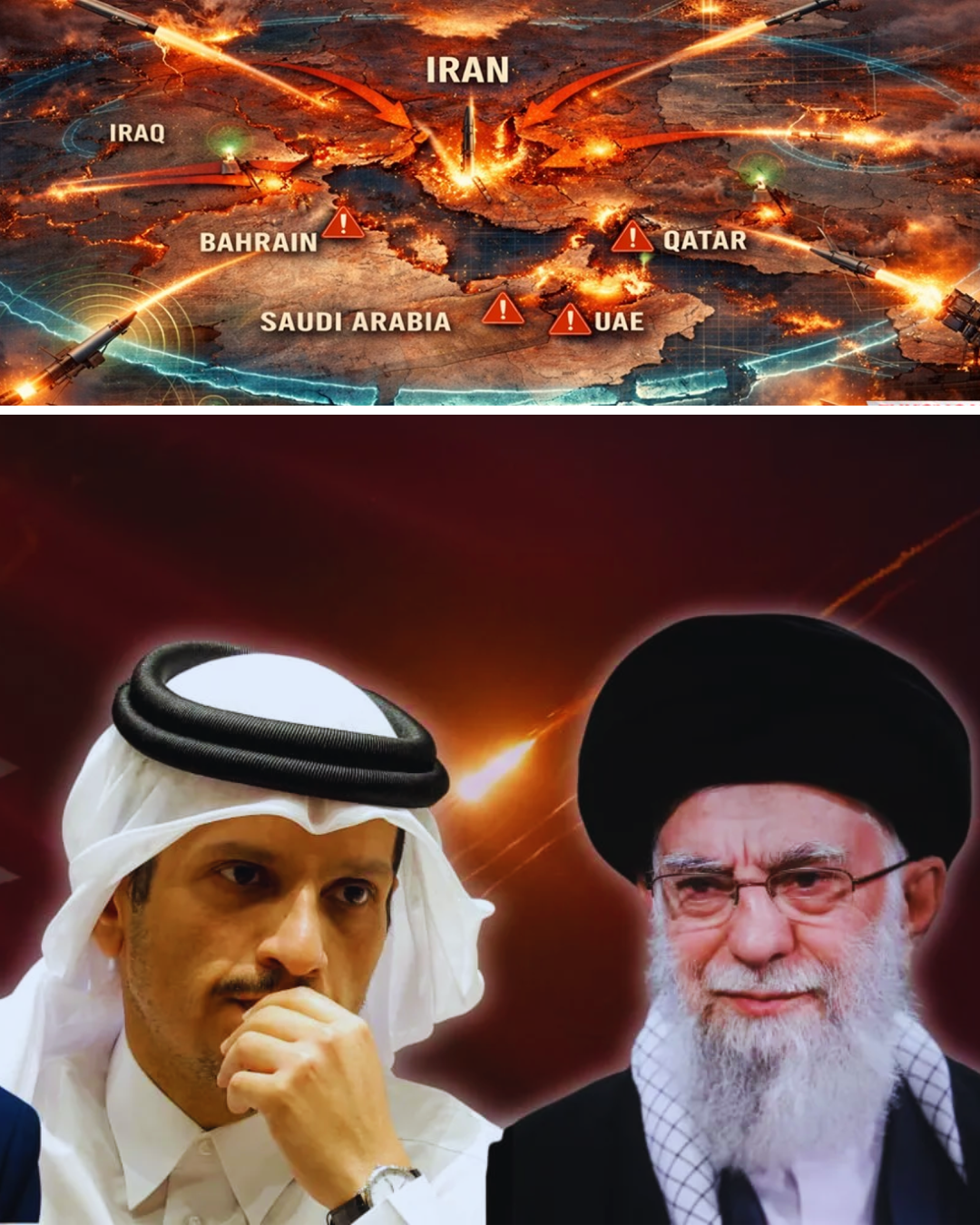
In recent days, the geopolitical landscape in the Middle East has shifted from simmering tension to a dangerous, direct military confrontation. Following the coordinated attacks by the US and Israel on Iranian territory on February 28, the world is witnessing a series of large-scale retaliatory actions, plunging the region into a crisis that diplomats describe as having “crossed all possible limits of salvation.”
The Red Line Has Been Broken
Speaking at a recent press conference, Qatar’s Foreign Ministry spokesperson, Majed Al-Ansari, made a strong statement that “all red lines have been crossed.” This statement comes after Iranian attacks were no longer focused solely on US military targets but expanded to civilian infrastructure in neighboring countries, including hotels, airports, and energy facilities in Bahrain, Saudi Arabia, Qatar, and the UAE.
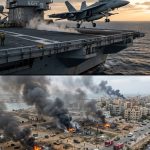
Although most missiles and drones were intercepted by air defenses, debris still caused fires and significant civilian casualties. In the UAE – a leading Gulf trade and tourism hub – the number of drones and missiles launched by Iran was recorded as comparable to the scale of Israeli attacks, sowing chaos and severely disrupting international trade.
Devastating humanitarian and economic consequences
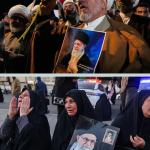
Reports from the Iranian Red Cross indicate that the death toll has reached alarming levels, with over 787 people killed in the conflicts. The damage is not limited to human lives; Digital and energy infrastructure also suffered a blow. Amazon Web Services (AWS) confirmed that data centers in the UAE were directly hit by UAVs, causing widespread disruption to cloud computing services. In particular, the suspension of production at Qatari LNG facilities following the attacks caused gas prices in Europe to skyrocket by 50%, demonstrating the extent of the conflict’s impact beyond the borders of the Middle East.
Washington shifts to wartime mode
Faced with unprecedented ammunition consumption, the Trump administration has taken urgent steps to bolster its arsenal. The White House has summoned leaders of major defense corporations such as Lockheed Martin and RTX (the parent company of Raytheon) to discuss accelerating production. The Pentagon is currently proposing an additional $50 billion budget to replace the long-range missiles and ammunition used in the campaign against Iran.
President Trump asserted that the U.S. has a “virtually unlimited” supply and is prepared to sustain a long-term military campaign. At the same time, he increased pressure on defense contractors, demanding that production be prioritized over shareholder profit sharing, even threatening to terminate contracts with underperforming companies.
The naval conflict and diplomatic impasse
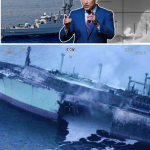
On the maritime front, the U.S. Central Command (CENTCOM) announced the destruction of an entire fleet of 11 Iranian vessels operating in the Gulf of Oman. This was a counterattack after decades of Iran being accused of harassing international shipping. Notably, the MKD VYYOM oil tanker became the first commercial vessel sunk by an Iranian unmanned suicide boat near the Strait of Hormuz, marking a new escalation in Tehran’s offensive weapons technology.
Diplomatically, the prospects for dialogue are currently at their lowest point. U.S. Secretary of State Marco Rubio asserted that previous negotiations had been ineffective and that the offensive was necessary to protect American soldiers from Iran’s planned attacks. Meanwhile, President Trump sent a strong message on social media, declaring that “it’s too late to negotiate” as Iran’s air defenses and leadership had been severely weakened.
On the other side, Iran warned that what was happening would soon “sink Europe and the world” if the international community remained indifferent. With neither side willing to compromise, the Middle East was on the brink of a full-scale war with potentially devastating consequences for global security and the economy.