Succession and Sabotage: Mojtaba Khamenei Emerges Amidst U.S. Naval Decimation and Intelligence Breaches
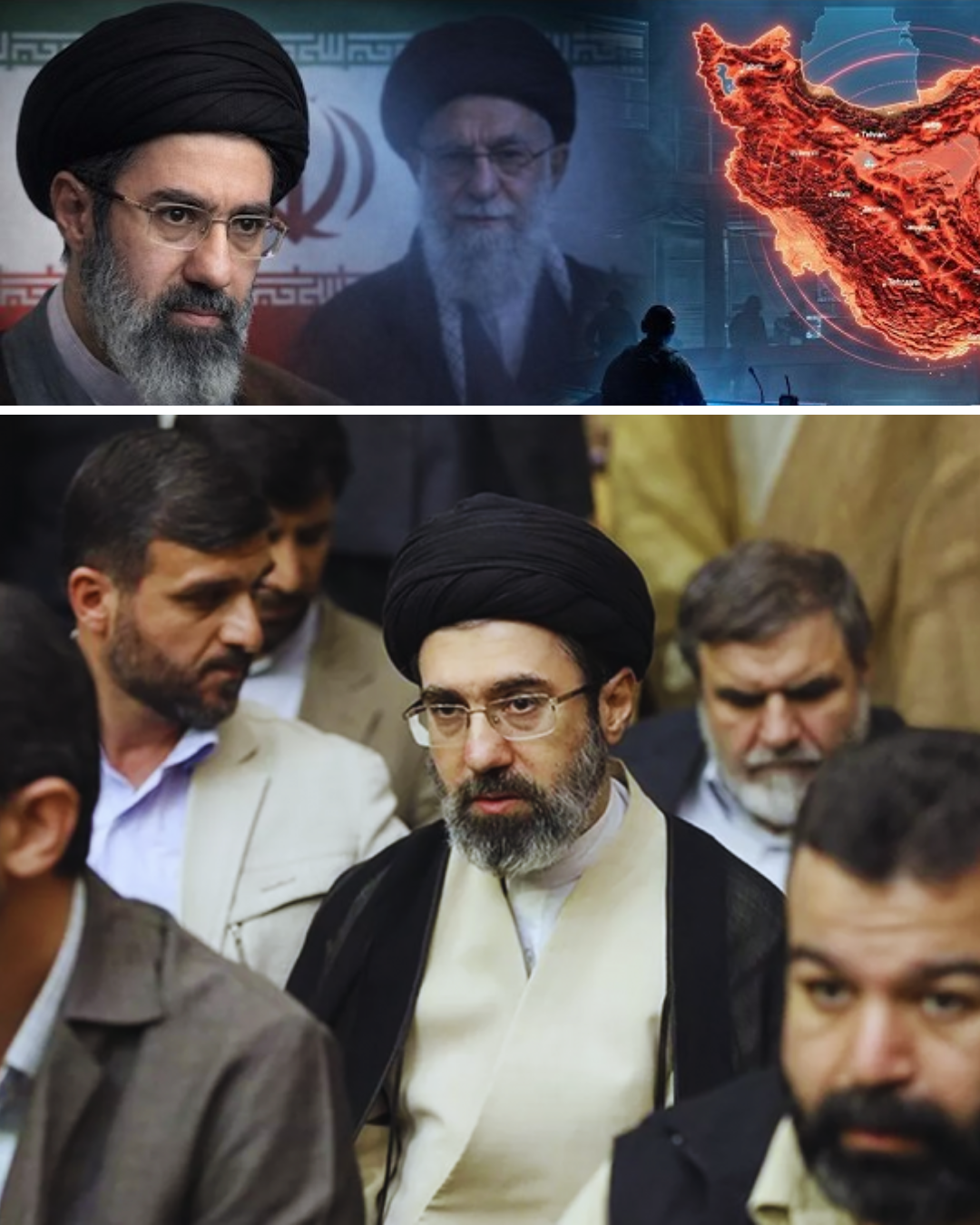
TEHRAN / WASHINGTON — In the wake of the seismic assassination of Supreme Leader Ali Khamenei, Iran stands at a critical historical crossroads. Reports emerging from Tehran suggest a swift move to solidify the nation’s power hierarchy, even as the United States military claims to have effectively neutralized Iran’s naval capabilities in a series of relentless precision strikes.
The Rise of a Successor
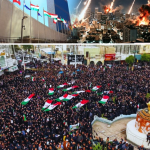
Sources within the Iranian Assembly of Experts indicate that Mojtaba Khamenei, the second son of the late Supreme Leader, has been selected to succeed his father. According to the semi-official Mehr News Agency, Mojtaba is “safe, in good health,” and already overseeing “critical state affairs.” The selection process, reportedly involving the 88-member Assembly of Experts, was conducted under significant pressure from the Islamic Revolutionary Guard Corps (IRGC).
Mojtaba Khamenei, 55, has long been a shadowy yet potent figure in Iranian politics. Despite holding no official government post, he is known for his deep-rooted connections with the IRGC and his staunchly conservative stance. Sanctioned by the U.S. Treasury in 2019, his ascent is not without controversy. Analysts suggest that a dynastic transition could trigger internal friction, echoing the very criticisms of hereditary rule that fueled the 1979 Islamic Revolution. Furthermore, questions remain regarding his clerical standing, as traditional standards for the Supreme Leader typically require a higher religious rank than he currently holds.
A Navy in Ruins
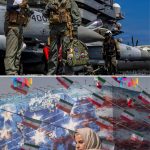
While Tehran moves toward succession, the military cost of the current conflict has reached unprecedented levels. Admiral Brad Cooper, commander of U.S. Central Command (CENTCOM), announced that the U.S. has targeted nearly 2,000 sites within Iran. In a 24-hour window, the scale of “Operation Fury” reportedly doubled that of the initial 2003 Iraq invasion.
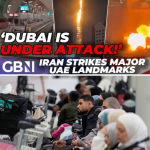
The primary objective has been the total degradation of Iran’s maritime power. Admiral Cooper confirmed the destruction of 17 Iranian warships, including one of its most advanced submarines—a Soviet-designed Kilo-class vessel. “There are no longer any Iranian warships operating in the Persian Gulf, the Strait of Hormuz, or the Gulf of Oman,” Cooper stated. The U.S. utilized B-1 and B-2 strategic bombers to bypass Iranian air defenses, which have been severely weakened. Despite the IRGC’s retaliation—launching over 500 ballistic missiles and 2,000 drones—U.S. officials assess that Iran’s offensive capacity is rapidly diminishing.
The Traffic Camera Hack
Perhaps most jarring are the revelations regarding the intelligence breach that led to Ali Khamenei’s death on February 28. Reports suggest that Israeli intelligence and the CIA had infiltrated Tehran’s traffic camera network years ago. By encrypting and rerouting real-time data to servers in Tel Aviv, intelligence agencies were able to map the “patterns of life” of high-ranking officials.
This surveillance allowed operatives to identify the Supreme Leader’s preferred parking spots and daily routines near his highly guarded compound on Pter Street. On the morning of the strike, intelligence also utilized localized signal jamming to prevent emergency alerts from reaching Khamenei’s security detail, ensuring the precision and success of the assassination.
Global Aftershocks
The conflict’s ripple effects are being felt as far away as Kyiv. Ukrainian President Volodymyr Zelensky expressed growing concern that the surge in Middle Eastern hostilities could divert the supply of U.S.-made Patriot missile interceptors, which are vital for Ukraine’s defense against Russia.
In Washington, President Donald Trump officially notified Congress of the military actions, citing his constitutional authority as Commander-in-Chief. He justified the strikes as a necessary measure to protect U.S. personnel, ensure the freedom of navigation in the Strait of Hormuz, and prevent future Iranian aggression. While expressing a desire for a “swift and lasting peace,” the White House emphasized that U.S. forces remain in a high state of readiness for any further threats.
As the smoke clears over the Persian Gulf, the world watches to see if the appointment of Mojtaba Khamenei will stabilize a reeling nation or ignite a new chapter of domestic and regional volatility.