PERSONAL VENDETTA OR STRATEGIC NECESSITY? TRUMP REVEALS MOTIVATIONS BEHIND STRIKE ON IRANIAN LEADERSHIP
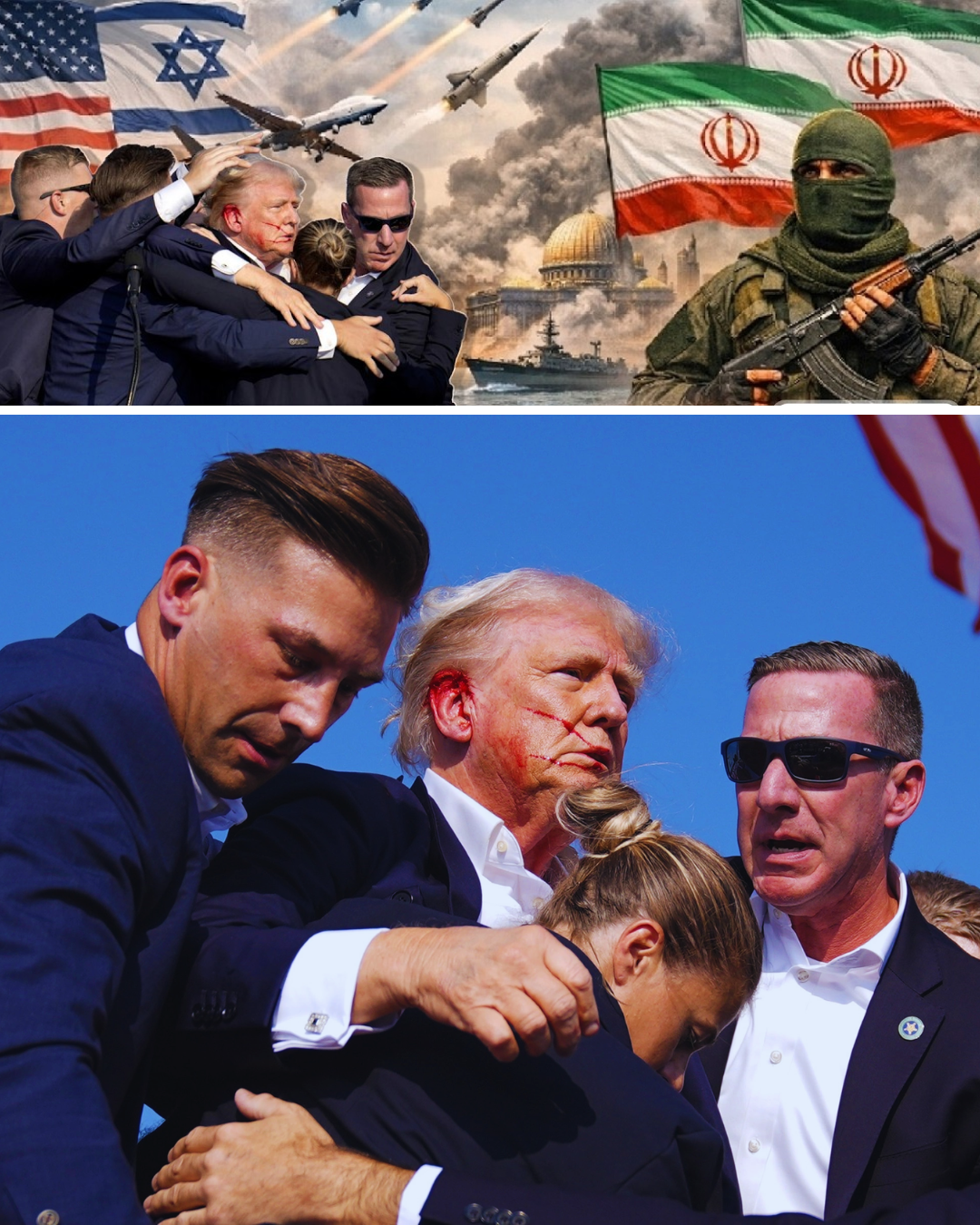
WASHINGTON D.C. — In a series of candid disclosures that have sent shockwaves through the international diplomatic community, President Donald Trump has linked the recent military escalation against Iran to past assassination attempts against him. Speaking with ABC News, the President admitted for the first time that “personal factors” played a role in his decision to launch the joint U.S.-Israeli campaign that resulted in the death of Iran’s Supreme Leader, Ayatollah Ali Khamenei.
The “Pre-emptive” Justification
President Trump cited the 2024 assassination plots against him as a primary catalyst for the offensive. “I got him before he got me,” Trump stated, referring to the late Supreme Leader. While federal prosecutors had previously brought cases against individuals involved in Iranian-backed plots, this marks the first time the President has publicly connected those threats to the shifting gears of U.S. foreign policy in the Middle East.
According to the President, the decision was a matter of survival. He dismissed suggestions that Israel had pressured the U.S. into the conflict, instead suggesting that Washington may have been the one to force Tel Aviv’s hand. “We negotiated with Iran, but in my assessment, they would have attacked first if we hadn’t,” Trump explained during a joint press conference with German Chancellor Friedrich Merz.
Military Decimation and Leadership Vacuum
The scale of the military operation, which began on February 28, has reportedly exceeded the White House’s initial expectations. President Trump claimed that while planners anticipated two to three weeks to dismantle Iran’s leadership, the objective was largely achieved within a single day. The strikes targeted intelligence hubs, defense agencies, and nuclear facilities, effectively “wiping out” the upper echelons of the Iranian government.
This sudden vacuum of power has created an unpredictable political landscape in Tehran. When questioned about future Iranian leadership, Trump noted with grim irony that many of the candidates previously considered as successors have also been killed in the strikes. “The people we wanted are dead, and another group of leaders just died too,” he remarked, predicting a “third group” of candidates would soon emerge, though he warned of the risks of a less stable successor.
Strained Alliances and Domestic Crackdowns
The conflict has also tested long-standing alliances. President Trump expressed sharp frustration with British Prime Minister Keir Starmer, accusing him of prioritizing “legal procedures” over decisive action. Reports indicate that the U.K. initially blocked the U.S. from using strategic bases like Diego Garcia for pre-emptive strikes, a stance that only shifted after Iranian drones targeted a British base in Cyprus. Trump characterized the U.K.’s late pivot as “unprecedented” and disappointing.
Domestically, the Trump administration is also moving to consolidate control over governmental narratives. Reports from The Washington Post suggest a coordinated effort to purge internal databases of topics deemed “anti-American,” including information on climate change and LGBT rights. The administration has vowed to hold accountable any government employees who leak internal documents or criticize these policy shifts, following a precedent of dismissals at agencies like FEMA and the EPA.
A Regional Shift
While the ultimate goal of the campaign—whether to incite an internal uprising or force a new leadership to the negotiating table—remains somewhat ambiguous, the immediate impact is undeniable. The conflict has disrupted global oil transit and shaken residential areas across the Middle East.
As the U.S. and its allies continue to monitor the situation, President Trump remains defiant, asserting that the operation is delivering “shocking global results” and moving the region toward what he describes as “peace and freedom.”