RUSSIA WARNS AGAINST US “TAKEOVER” STRATEGY: FROM VENEZUELA AND IRAN TO THE SCENARIO IN CUBA
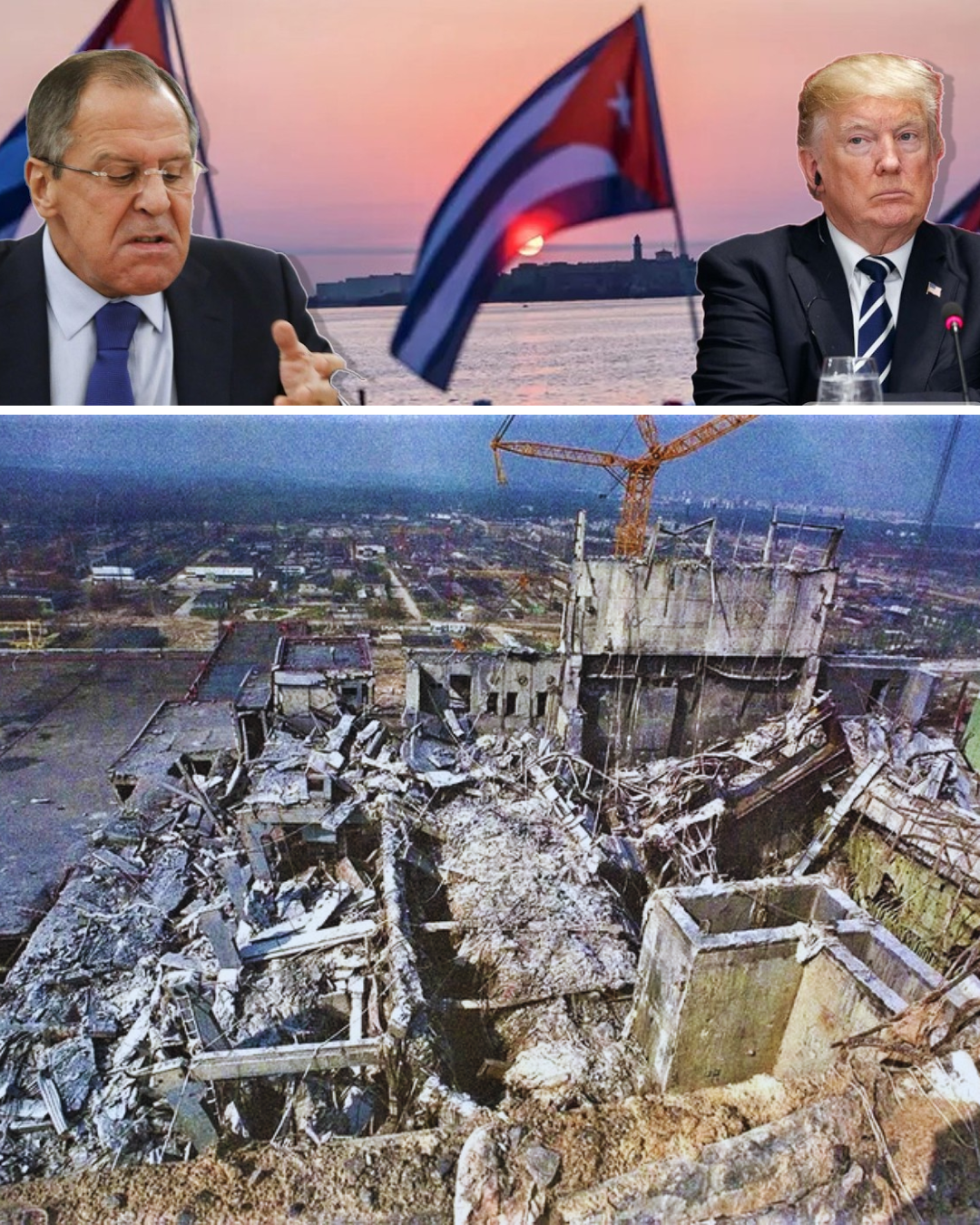
In a tense diplomatic development, Russian Foreign Minister Sergey Lavrov made sharp remarks about US foreign policy, accusing Washington of plotting to impose direct control over a number of sovereign states, including Venezuela, Iran, and Cuba. This statement comes as US military operations in the Middle East are creating profound global upheavals.
The model of governance and the challenge to international law
Foreign Minister Lavrov emphasized that the current actions of the US are not merely a military response, but an expression of an attempt to re-establish the world order according to Washington’s will. He cited statements by U.S. Secretary of State Marco Rubio, suggesting that the U.S. is considering governing Iran in a similar way to the scenario they have described for Venezuela.
The Russian diplomat compared the current situation to the 19th century—the pre-modern international law era—and argued that the clash between international law and U.S. interests is pushing the world into instability. Lavrov also criticized the U.S. role in the UN Security Council, saying that Washington would never allow decisions to be made that go against its interests, while allies like France and Britain, despite trying to keep their distance, ultimately failed to prevent U.S. actions.
The radical military objective in Iran
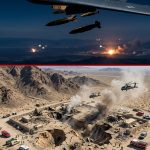
On Washington’s side, the objective of the military campaign against Iran has been clearly defined. Foreign Minister Marco Rubio affirmed that the top priority is to completely destroy Tehran’s ballistic missile capabilities and ensure that it cannot re-establish that power or use it to cover up its nuclear program.
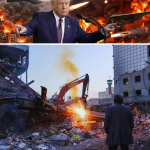
President Donald Trump, in a joint press conference with German Chancellor Friedrich Merz, rejected claims that Israel was the one pushing the US into this conflict. Trump asserted that the US was forced to act first because it assessed that Iran would attack if left unchecked. Notably, the US leader acknowledged his surprise at Iran’s shift in retaliation towards neighboring Gulf states, and also stated that much of Iran’s successor leadership had been killed in the airstrikes.
The “peaceful takeover” scenario for Cuba and the rift in the alliance
Besides the Middle East front, the Trump administration is also targeting Cuba. President Trump revealed the possibility of a “peaceful takeover of Cuba,” amid the government’s severe financial crisis. He said Foreign Secretary Marco Rubio was handling the issue at a very high level.
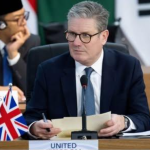
Meanwhile, the relationship between the US and traditional allies like Britain was showing cracks. President Trump publicly criticized Prime Minister Keir Starmer for the delay in allowing the US to use strategic military bases like Diego Garcia in the early stages of the campaign. He also expressed disappointment with the agreement to return sovereignty to the Chagos Islands to Britain, calling it a strategic mistake.
Conclusion
These rapid developments on multiple fronts indicate a dramatic shift in US foreign policy under President Donald Trump. By eliminating Iran’s leadership in a single day and expanding its influence into Latin America, Washington is sending a strong message of military and political dominance. However, warnings from Moscow and instability in neighboring regions suggest that the price of this “takeover” could cause further unpredictable upheavals to the modern world order.