Ancient Mayan Tomb Discovered Near Palenque During Mexico’s Maya Train Development Project
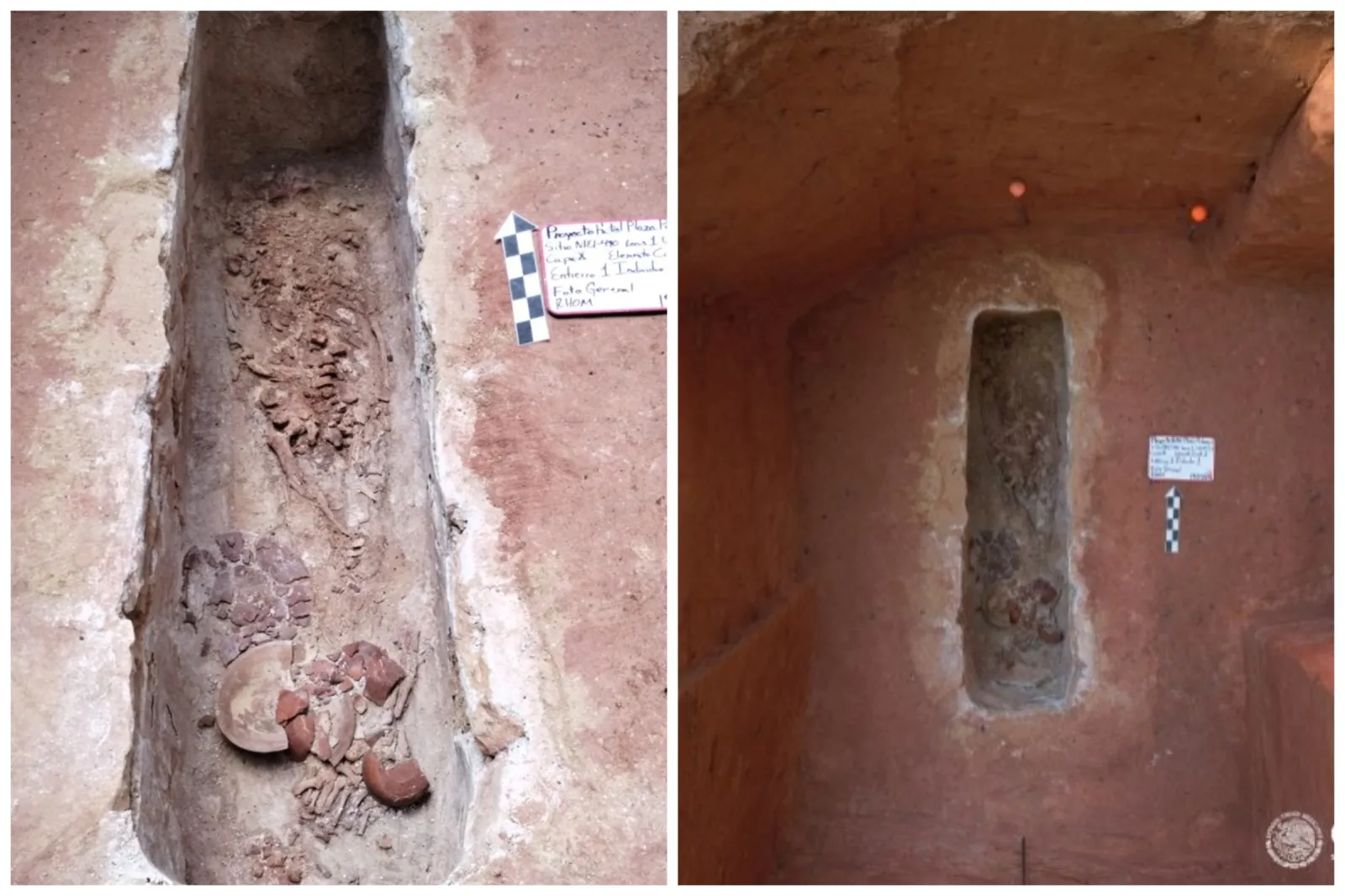
Mexico’s National Institute of Antiquities (INAH) announced that national scientists have unearthed an ancient Mayan tomb, possibly over 1,000 years old, in an area where a major tourist railway project is underway in the south of the country.
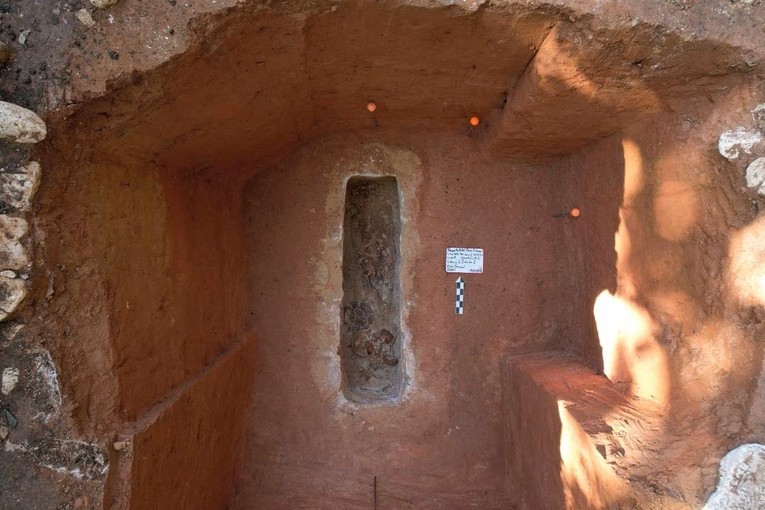
According to Reuters, Mexican archaeologists discovered the tomb amidst a multi-billion dollar tourist railway project in the south. Named the Maya Train, this project is a top economic development priority for President Andres Manuel Lopez Obrador and is designed to attract tourists to numerous ancient Mayan sites in southern Mexico, as well as nearby top beach resorts such as Cancun and Tulum.
To ensure the Maya Train project is completed as quickly as possible and without delay, teams of experts, including archaeologists, were recruited to excavate the ancient tomb.
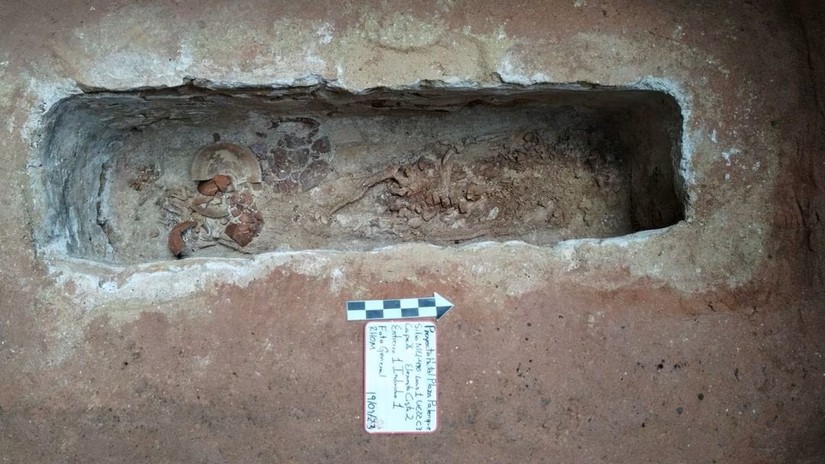
Specifically, the tomb was discovered during the construction of a hotel near the large Mayan ruins of the ancient city of Palenque in Chiapas state. This was once the site of one of the largest and most complex urban centers of the ancient Mayan civilization. Palenque, like dozens of other ancient cities clustered around southern Mexico and parts of Central America, had a thriving history from approximately 300-900 AD.
In the tomb, located about 2km from the city center – an area with tall temples and a vast palace complex – scientists discovered the remains of a skeleton inside a stone box.
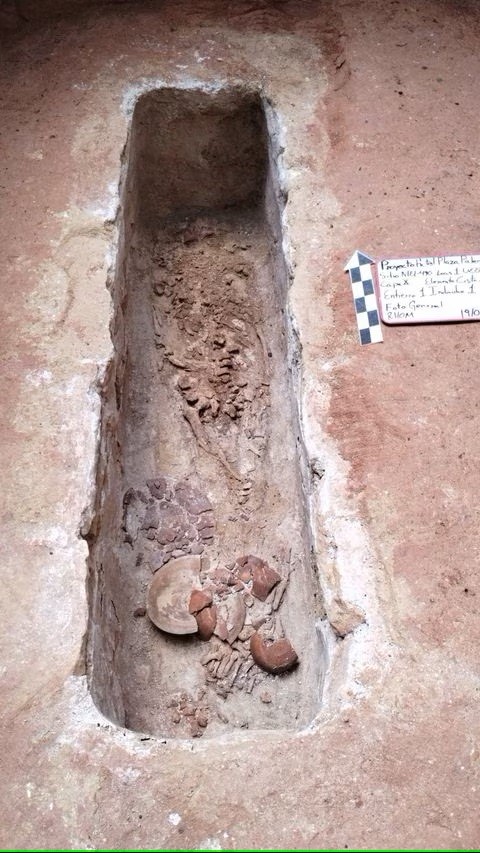
According to preliminary investigations, the skeleton may belong to an elite resident of the city, or what the ancient Mayans called a Lakamha. INAH reports that this person was buried lying on their back, head facing north. However, more specific details such as the exact age and personal characteristics of this person will need to be studied more thoroughly before drawing any definitive conclusions.
Along with the skeleton, experts also unearthed three ceramic vessels, earrings, and a pair of bluestone beads inside the tomb.