Iran Attack Campaign: President Trump Gives a Perfect Score of Effectiveness Amidst Global Energy Crisis
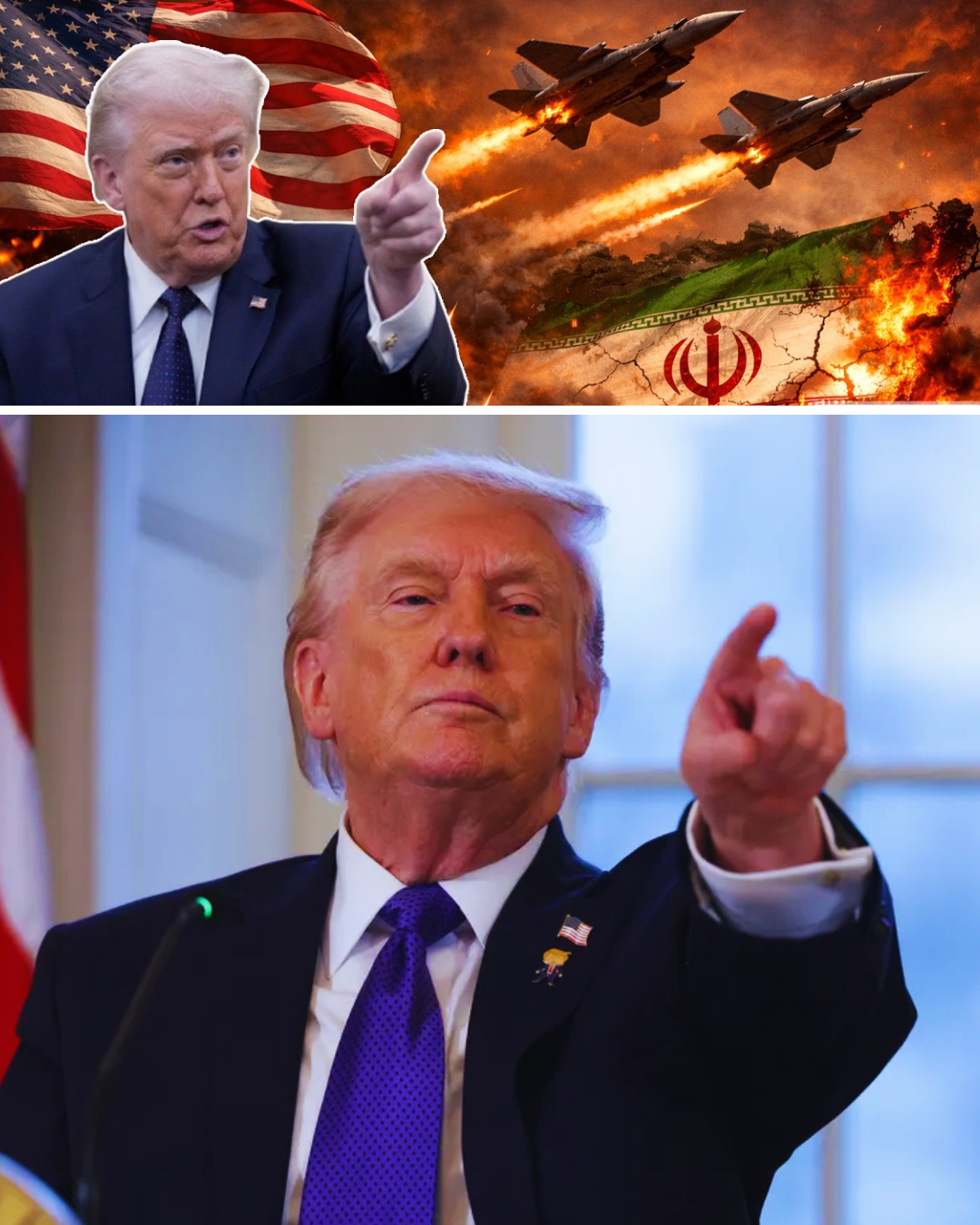
WASHINGTON D.C. – In the latest development regarding the situation in the Middle East, U.S. President Donald Trump has offered confident assessments of the ongoing military campaign against Iran. This statement comes as coordinated airstrikes between the U.S. and Israel are intensifying, raising concerns about a global economic crisis as the strategic Strait of Hormuz faces the risk of being blockaded.
A “15 out of 10” Rating and the Goal of Controlling Airspace
Speaking to the media on March 4th, President Donald Trump did not hesitate to give a 15 out of 10 rating to the effectiveness of the preemptive strikes against Tehran. He asserted that the U.S. position is currently very strong and suggested that the Iranian leadership is rapidly disintegrating. Explaining the campaign, Trump emphasized the goal of eliminating Iran’s missile arsenal and preventing the country from acquiring nuclear weapons, a scenario he described as a worst-case scenario if it fell into the hands of “madmen.”
Similarly, White House Press Secretary Caroline Leavitt and Defense Secretary Pete Hegseth confirmed that the U.S. is working closely with Israel to achieve complete control of Iranian airspace. While no specific timeline has been given, the Pentagon affirms that gaining control of the skies is a top priority to ensure the security interests of Washington and Tel Aviv in the region.
Military Strategy and Lessons from the Past
Amid concerns that the U.S. could be drawn into a protracted war of attrition, Defense Secretary Pete Hegseth reassured the public. He asserted that the U.S. would not repeat the mistakes of Iraq or Afghanistan by deploying hundreds of thousands of ground troops for decades. Instead, the current campaign focuses on specific targets: destroying Iran’s missile production capabilities, naval forces, and security infrastructure.
However, military experts still warn of the inherent risks. To date, at least four US servicemen have been killed. Chairman of the Joint Chiefs of Staff, General Dan Kane, noted that this is not an operation that can be completed overnight and the probability of casualties could increase if special forces or infantry units are deployed on the ground for intensive combat missions.
The Hormuz “card” and the oil price shock
One of the biggest challenges facing the Trump administration is not on the battlefield but on the economy. Iran currently holds the strategic “card” of the Strait of Hormuz – the gateway for 20% of the world’s oil and gas supply. Reports indicate a significant decrease in shipping traffic, causing Brent crude oil prices to surge 13%, reaching over $82 per barrel.
In the US, gasoline prices are becoming a politically sensitive issue ahead of the midterm elections. If the Strait of Hormuz is completely blockaded, gasoline prices at gas stations could exceed $3 per gallon, putting significant pressure on people’s living costs and directly impacting the Republican Party’s credibility. Major carriers like Maersk have begun suspending routes through the area, opting to detour through Africa for safety.
Actual Damage and Tehran’s Hardline Stance
On the ground, for the first time, a US F-15 multirole fighter jet crashed in Kuwait during combat. Although both pilots ejected safely, the incident still attracted considerable attention from military observers. At the same time, sources indicated that Tehran’s air defense network had been continuously activated to intercept UAVs.
On the Iranian side, National Security Council Secretary Ali Larijani flatly rejected any possibility of diplomatic negotiations with the US at this time. This firmness from both sides foreshadows a period of intense confrontation, where every variable, from military to economic, could alter the regional and global landscape.