Middle East on the Brink: Hezbollah Vows Total Resistance as Iran-US Clashes Escalate
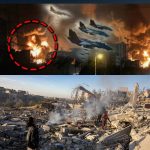
TEHRAN / TEL AVIV – The Middle East has spiraled into an unprecedented cycle of violence as Hezbollah pledges “total resistance” against Israel and the United States, following the commencement of massive joint military operations by Washington and Tel Aviv. The region is currently witnessing a high-stakes exchange of hypersonic missiles, strategic airstrikes, and widespread civilian disruption across several Gulf nations.
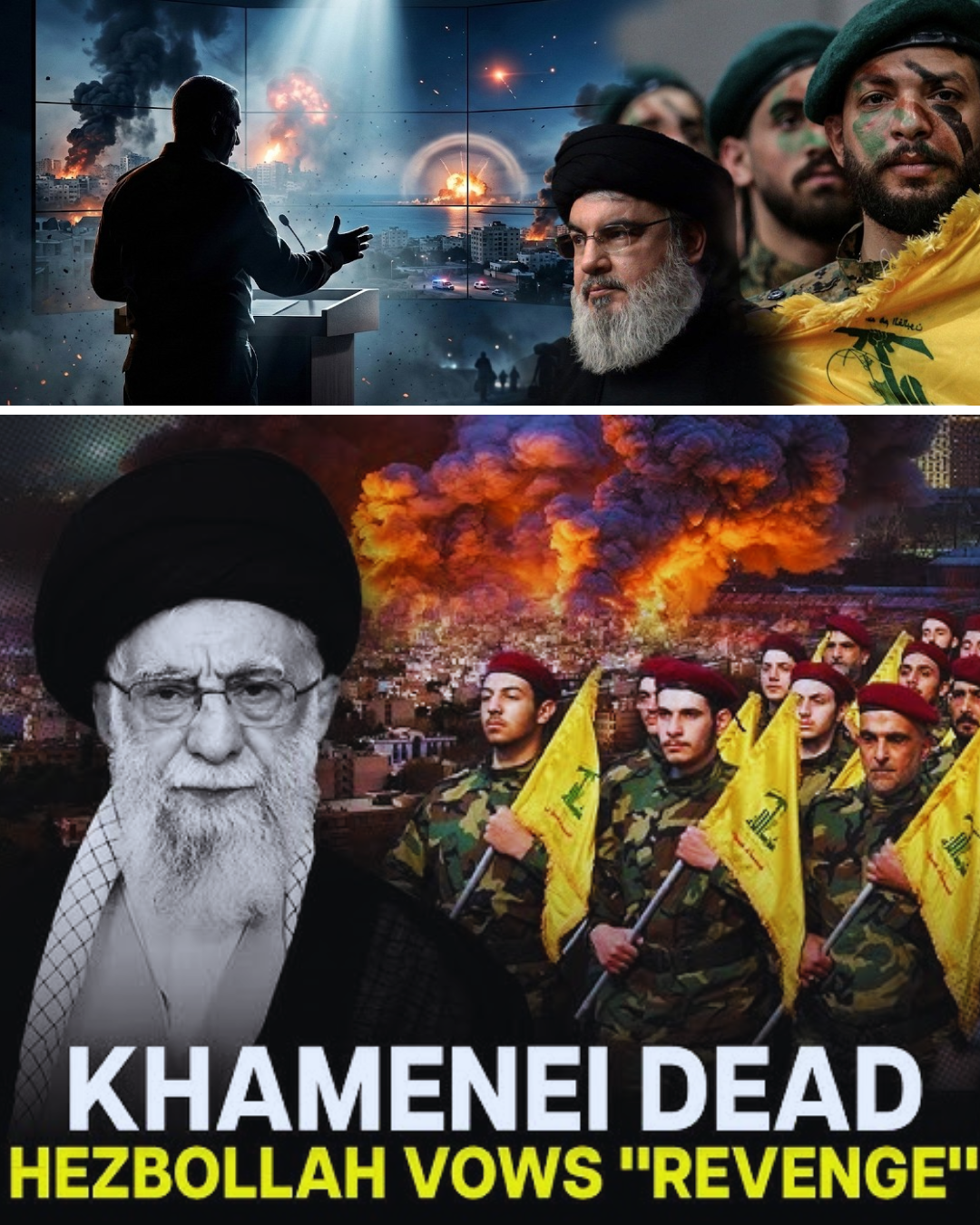
Hezbollah’s Defiance Amidst Rising Tensions In a televised address on March 1st, Hezbollah leader Naim Qassem struck a tone of absolute defiance, stating that the group is prepared to fight “until the last breath”. Rejecting claims that Hezbollah initiated the current hostilities, Qassem framed their actions as a “war of survival” against what he termed American and Israeli aggression.
The conflict has already taken a heavy humanitarian toll. Lebanese officials report that Israeli operations in southern Lebanon have claimed at least 72 civilian lives and displaced more than 83,000 residents. Meanwhile, internal friction is growing as the Lebanese government recently ordered an immediate ban on Hezbollah’s military activities—a directive the militant group has flatly ignored.
The Death of Ali Khamenei and the “Lion’s Roar” The geopolitical landscape was seismically shifted following the confirmed death of Iran’s Supreme Leader, Ayatollah Ali Khamenei, during initial joint airstrikes on February 28th. In response, Tehran has announced a 40-day period of national mourning, while the Assembly of Experts met virtually to select a successor amidst ongoing bombardment.
Israel has maintained a hardline stance toward any potential new leadership. Defense Minister Israel Katz warned that any successor appointed by Iran would be “targeted for unconditional elimination”. These operations form part of Israel’s “Operation Lion’s Roar,” which works in tandem with the U.S. campaign dubbed “Epic Fury”. Prime Minister Benjamin Netanyahu’s office claimed “historic progress” in neutralizing Iran’s nuclear ambitions, alleging that Tehran had been secretly rebuilding its atomic program in underground bunkers.
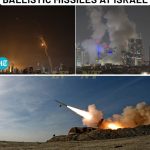
Retaliation and Regional Fallout Tehran has not remained passive. The Islamic Revolutionary Guard Corps (IRGC) launched its 17th wave of “Operation True Promise 4,” utilizing hypersonic missiles and suicide drones to target the Israeli Ministry of Defense in Tel Aviv and Ben Gurion Airport. IRGC officials claimed their munitions successfully bypassed the U.S.-deployed THAAD defense systems.
The conflict has rapidly bled into neighboring Gulf states. Iran has targeted bases housing U.S. forces across more than six countries, including the UAE and Bahrain. The fallout has disrupted the luxury lifestyle hubs of the region; debris from intercepted missiles has caused fires and damage to high-end infrastructure, including the Palm Jumeirah in Dubai and the Crowne Plaza Hotel in Manama. Schools in the UAE have shifted to online learning, and major maritime hubs like Jebel Ali port have reported damage from falling shrapnel.
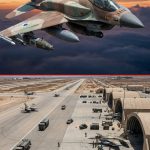
American Military Might Unleashed U.S. Central Command (CENTCOM) released footage showcasing the “overwhelming and relentless” nature of the American response. This mobilization represents the largest concentration of U.S. military firepower in the region in a generation. The arsenal deployed includes Tomahawk cruise missiles launched from naval destroyers, HIMARS rocket systems, and F-35 stealth fighters.
President Donald Trump has asserted that the campaign will continue “without interruption” until regional stability is achieved. However, as thousands march through the streets of Tehran demanding further retaliation, the prospect of a swift de-escalation appears increasingly remote.