Regional Volatility: NATO Intercepts Iranian Missile as Gulf Conflict Escalates
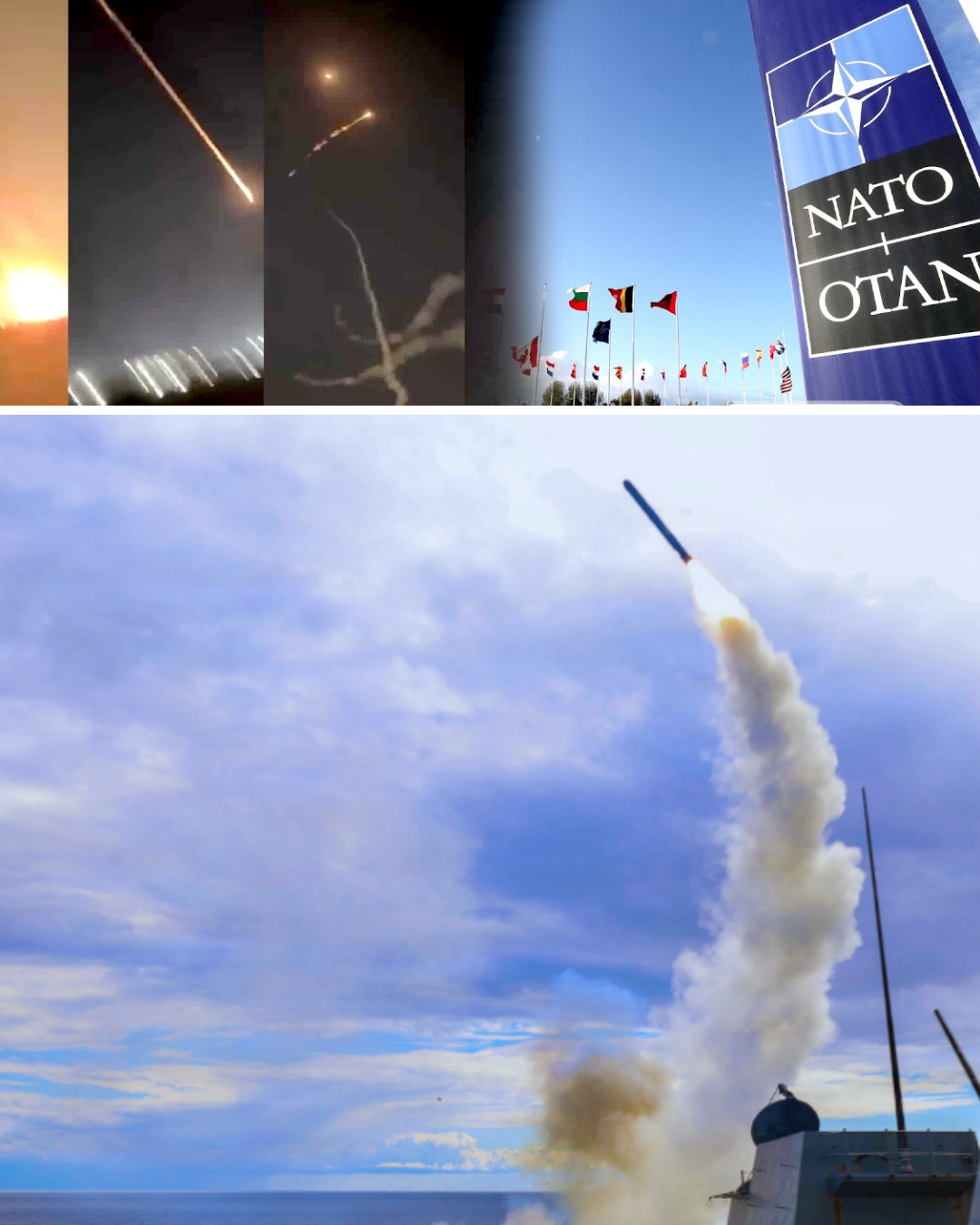
ANKARA / DOHA – The Middle East conflict has reached a critical turning point as NATO forces intercepted an Iranian ballistic missile targeting a member state for the first time. The incident, involving a direct threat to Turkey, marks a significant expansion of hostilities that have already seen direct aerial combat between Iran and Qatar and the systematic dismantling of the Iranian Navy by U.S. forces.
NATO’s Defensive Stance and Turkey’s Response The North Atlantic Treaty Organization (NATO) issued a stern condemnation after a U.S. Navy destroyer deployed in the Eastern Mediterranean intercepted an Iranian ballistic missile bound for Turkish airspace. NATO spokesperson Farah Dakhlallah reaffirmed the alliance’s unwavering support for Turkey, denouncing Iran’s “indiscriminate attacks” across the region.
Despite the gravity of the direct targeting of a member state, U.S. Secretary of Defense Pete Hegseth indicated that the incident is not currently expected to trigger Article 5, the alliance’s collective defense clause. Ankara has echoed this sentiment, prioritizing restraint and diplomacy over immediate military escalation. However, the Turkish Ministry of Defense released a written statement emphasizing its resolve to defend its territory and “reserve the right to respond to any hostile acts regardless of their origin.”
Unprecedented Aerial Combat over Qatar In another major escalation, the Iranian Revolutionary Guard Corps (IRGC) deployed two SU-24 tactical bombers in a direct strike mission against the Al Udeid Air Base—the largest U.S. military installation in the region—and Qatar’s critical natural gas facilities at Ras Laffan.
The Iranian aircraft reportedly came within two minutes of their targets, flying at low altitudes to evade radar detection. After failing to respond to radio warnings, the aircraft were classified as hostile. In an unprecedented move, the Qatari Air Force scrambled F-15 fighters, which successfully engaged and downed both Iranian bombers over Qatari territorial waters. This marks the first instance of direct aerial combat involving Qatari pilots in the current conflict. Qatari Prime Minister Mohammed bin Abdulrahman Al Thani described the incident as a “dangerous escalation” and accused Tehran of attempting to drag its neighbors into a war not of their making.
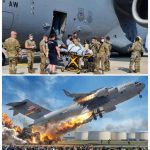
U.S. Operations and the Dismantling of the Iranian Navy Simultaneously, U.S. Central Command (CENTCOM) has intensified “Operation Epic Fury,” a sustained military campaign against Iranian strategic assets. Vice Admiral Brad Cooper, Commander of CENTCOM, announced that over 50,000 U.S. personnel and 200 combat aircraft are conducting non-stop operations to neutralize Tehran’s military capabilities.
A primary objective of the U.S. campaign has been the total neutralization of the Iranian Navy. Admiral Cooper confirmed that 17 Iranian vessels, including their most advanced submarine, have been destroyed or disabled since February 28th. “Today, there is not a single Iranian ship operating in the Persian Gulf, the Strait of Hormuz, or the Gulf of Oman,” Cooper stated, emphasizing that U.S. B-2 and B-1 bombers have faced virtually no resistance during precision strikes.
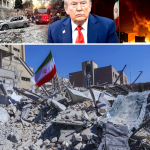
Regional Chaos and Humanitarian Impact The ripple effects of Iran’s retaliatory strikes—estimated at over 500 ballistic missiles and 2,000 drones—have caused widespread chaos across the Gulf. Civilian infrastructure, including luxury hotels in Bahrain and shopping malls in Dubai, have sustained damage from intercepted debris. The UAE government has mandated a shift to remote work and online learning as airspaces remain volatile and commercial flights face massive cancellations.
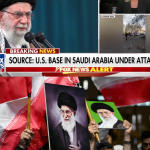
As Iran enters a 40-day period of mourning for its late Supreme Leader, the IRGC and military leaders have vowed continued retaliation. With NATO now directly involved in interceptions and regional powers like Qatar engaging in direct combat, the Middle East stands at the threshold of a full-scale, multi-front war.