Netanyahu Demands Clarification Amid Suspicions of Clandestine US-Iran Negotiations
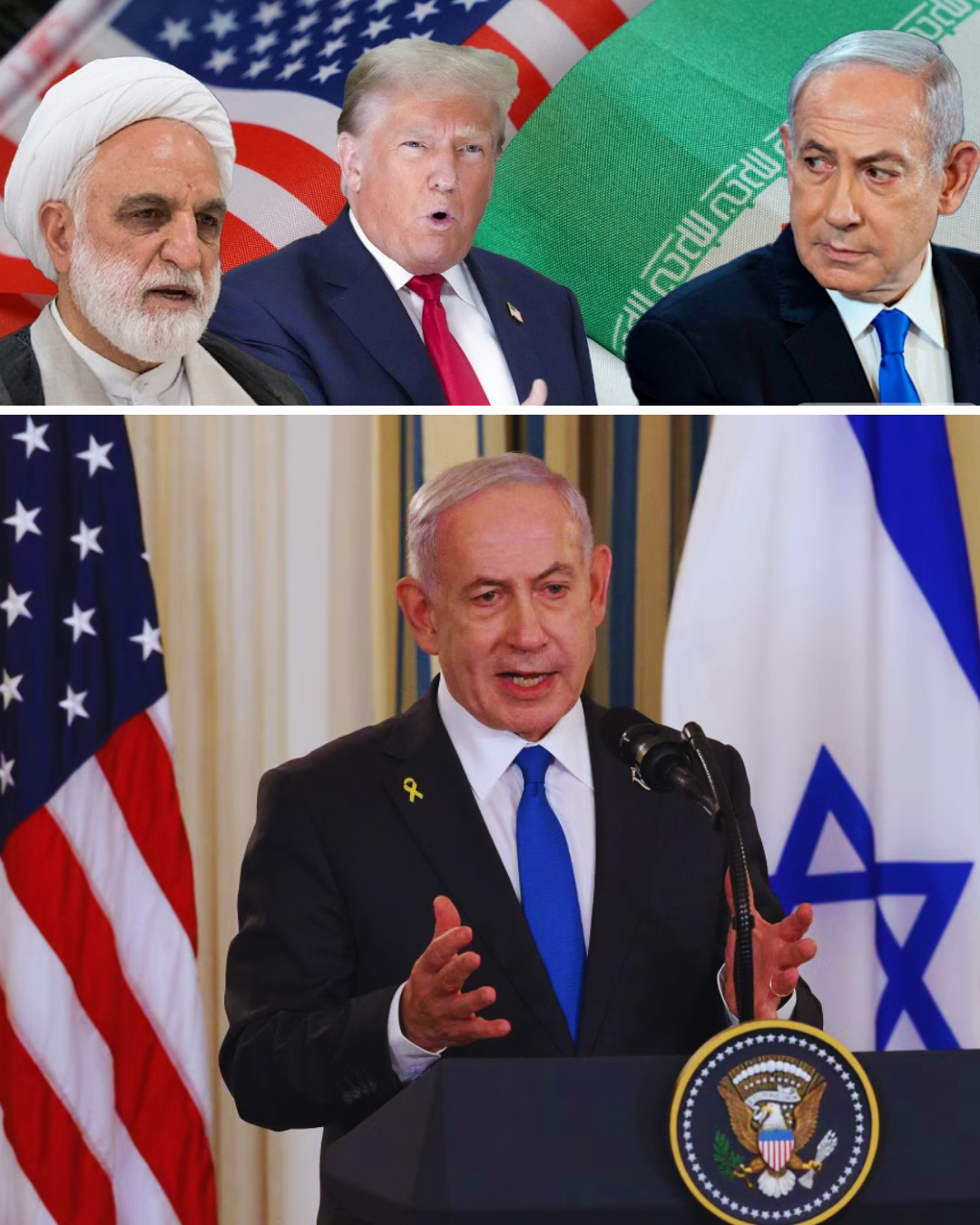
TEL AVIV / WASHINGTON – Tensions within the Israel-U.S. alliance reached a boiling point this week as Prime Minister Benjamin Netanyahu demanded immediate clarification from the White House regarding rumors of secret back-channel negotiations with Tehran. The diplomatic friction arises amidst a massive U.S.-led military campaign that is increasingly striking deep within Iranian territory, raising questions about the ultimate endgame of the conflict.
Suspicions of a “Clandestine Deal” According to reports from Israel’s Channel 12, Israeli intelligence recently intercepted data suggesting potential communication between the Trump administration and Iranian officials regarding a possible ceasefire. Prime Minister Netanyahu expressed grave concerns that Washington might seek a premature exit from the conflict before Israel’s primary military objectives—the total dismantling of Iran’s nuclear and missile infrastructure—are achieved.
While CNN reports that Iranian intelligence has signaled a willingness to negotiate through third-party intermediaries to the CIA, U.S. officials have categorically denied that any serious discussions are underway. A senior Trump administration official emphasized that the current situation is a “military action” and will be handled as such, noting that special envoy Steve Witkoff has had no contact with Iranian Foreign Minister Abbas Araghchi since the outbreak of hostilities.
Escalating Airstrikes and “Total Air Superiority” On the battlefield, the U.S. military has shifted into a more aggressive phase. General Dan Kane, Chairman of the Joint Chiefs of Staff, reported that Iranian retaliatory capabilities have been severely degraded, with ballistic missile fire down by 86% and drone attacks reduced by 73%. This dominance has allowed U.S. and Israeli forces to penetrate deep into the Iranian mainland.
U.S. Defense Secretary Pete Hegseth announced that the campaign is accelerating, with a goal of achieving total control of Iranian airspace within a week. The White House outlined four primary strategic pillars for the mission: the destruction of Iran’s ballistic missile program, the removal of the Iranian Navy from regional waters, the elimination of Iranian-backed proxies, and the absolute termination of Tehran’s nuclear ambitions.
Domestic Division and Psychological Warfare Despite the military gains, President Donald Trump faces significant domestic hurdles. A Senate resolution led by the GOP to curb the President’s war powers narrowly failed with a 52-47 vote. Furthermore, public opinion remains sharply divided; approximately 60% of Americans expressed skepticism or disapproval of the use of force, citing the lack of a clear post-war vision for the region.
The conflict has also entered the realm of psychological warfare. Ali Larijani, Secretary of Iran’s Supreme National Security Council, claimed on social media that over 500 U.S. soldiers have been killed since the conflict began on February 28th—a figure Washington has dismissed, officially confirming only six deaths. Larijani accused President Trump of being “led by the nose” by Netanyahu into an unjust war, questioning whether the “America First” policy had been traded for Israeli interests.
The Risk of Ground Intervention While Secretary Hegseth has not ruled out the possibility of deploying ground troops, he emphasized that the U.S. would not be drawn into an “endless war” similar to the Iraq occupation. However, military analysts warn that while air superiority limits pilot casualties, the introduction of ground forces or special ops would dramatically increase the risk of escalation and a potential long-term quagmire.
As the U.S. military prepares for strikes even deeper into Iranian territory, the dual pressure of secret diplomatic feelers and intensified bombardment suggests a volatile path forward for the Middle East.