Pyongyang Accelerates Naval Nuclearization as Kim Jong Un Inspects New Missile-Carrying Destroyer
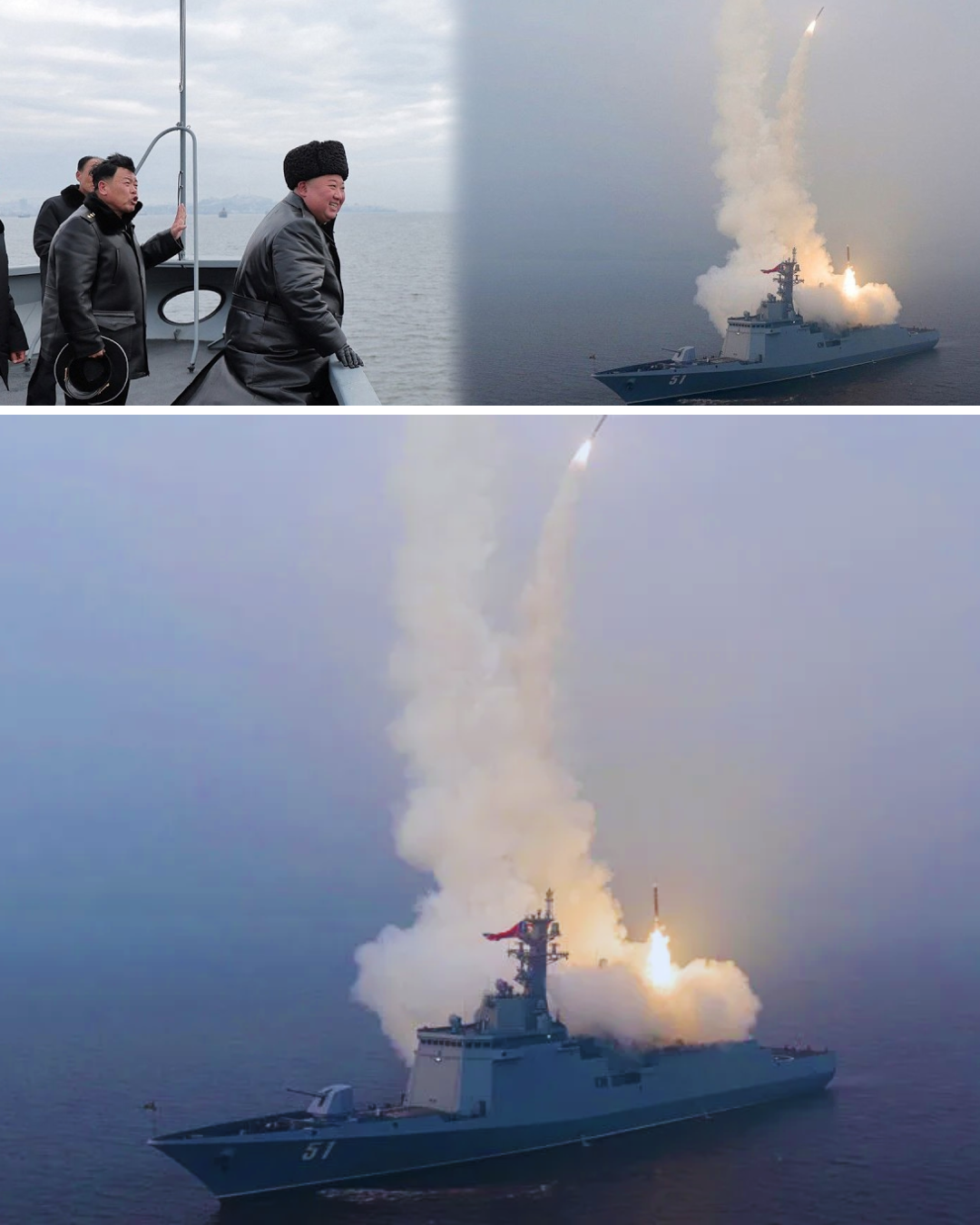
PYONGYANG / NAMPO – North Korean leader Kim Jong Un has vowed to accelerate the “nuclearization” of the nation’s naval forces during a high-profile inspection of a new class of missile-carrying destroyers. According to state news agency KCNA on March 5, Kim visited the Nampo shipyard for two consecutive days to oversee the final stages of a 5,000-ton Cheon-class destroyer before its official commissioning.
The Cheon class, first unveiled in April 2025, represents a significant leap in North Korea’s maritime strike capability. Designed to conduct preemptive nuclear strikes, these vessels are equipped with advanced anti-air and anti-ship systems, as well as strategic cruise and ballistic missiles capable of carrying nuclear warheads. During sea trials observed on March 3, Kim hailed the vessel as a “symbol of the nation’s expanding naval power,” calling for the production of two similar or superior warships annually over the next five years.
On March 4, the North Korean leader personally supervised a strategic cruise missile test-launch from a Cheon-class destroyer. Standing on the shoreline as plumes of white smoke billowed from the vessel, Kim stated that the nuclear armament of the navy is progressing rapidly. He emphasized that these advancements mark a “fundamental shift” in North Korea’s ability to defend its maritime sovereignty—a goal he noted the nation has pursued for over half a century.
Global Context: U.S. Escalates Strikes in Iran Amidst Mounting Tensions Pyongyang’s military posturing coincides with a major escalation of hostilities in the Middle East. On March 4, U.S. military leadership announced an intensified air campaign against Iran, targeting command centers and defense infrastructure deep within the country. General Dan Kane, Chairman of the Joint Chiefs of Staff, reported that Iranian retaliatory fire has been severely degraded, with ballistic missile launches down by 86% and drone attacks by 73%.
U.S. Defense Secretary Pete Hegseth confirmed that the mission aims to achieve total air superiority over Iran within a week. The White House has outlined four strategic goals: the destruction of Iran’s ballistic missile program, the removal of the Iranian Navy from regional waters, the elimination of Iranian-backed proxies, and the absolute prevention of Tehran’s nuclear ambitions.
However, the campaign faces significant domestic and international scrutiny. A Senate resolution requiring Congressional approval for future military actions was narrowly defeated in a 52-47 vote. Public opinion in the U.S. remains deeply divided, with approximately 60% of citizens expressing skepticism toward the use of force. Tensions are further inflamed by unverified claims from Iranian officials, such as Ali Larijani, who asserted that over 500 U.S. soldiers have been killed since February 28—a figure Washington has dismissed, confirming only six official casualties to date.
The “Hormuz Card” and Economic Shocks As the conflict persists, global markets remain on high alert over the potential closure of the Strait of Hormuz. Iran’s “strategic card” could paralyze 20% of the world’s oil and gas supply, potentially driving Brent crude prices toward historic highs and impacting American fuel costs significantly. Maritime shipping giants like Maersk have already begun rerouting vessels around Africa, avoiding the volatile waters of the Gulf and the Suez Canal.
While North Korea continues to solidify its nuclear naval capabilities in the East, the collapse of regional stability in the West underscores a world grappling with the convergence of traditional military engagement and the looming threat of nuclear-capable strategic assets.