Regional Conflagration: Iran Strikes Tel Aviv as US-Israeli “Operation Epic Fury” Escalates
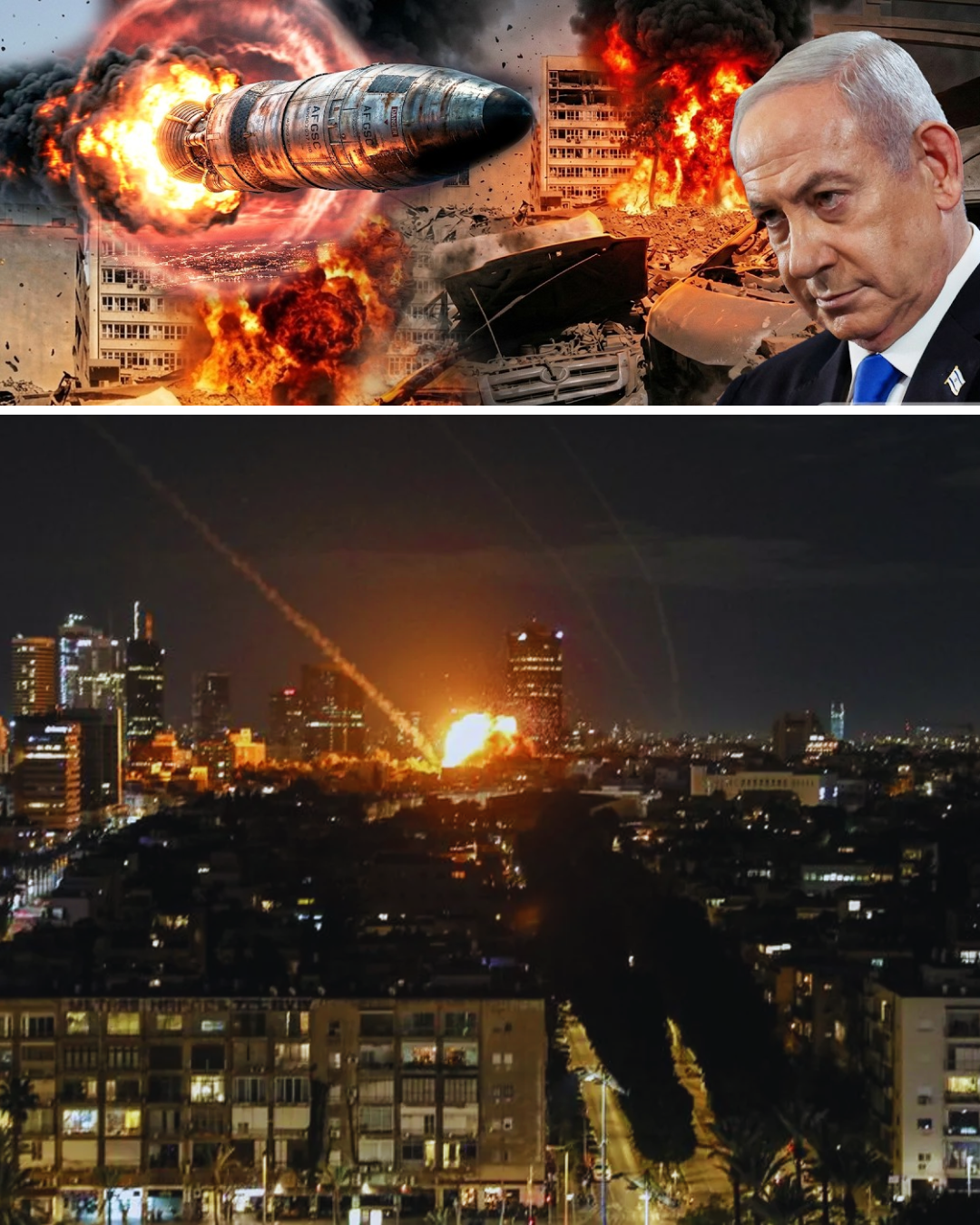
TEL AVIV / TEHRAN – The Middle East has descended into a state of high-intensity warfare as the Islamic Revolutionary Guard Corps (IRGC) launched a barrage of hypersonic missiles and suicide drones targeting Israel’s Ministry of Defense and Ben Gurion International Airport. The strike, framed by Tehran as the 17th wave of “Operation True Promise 4,” marks a significant escalation in a conflict that has already claimed the life of Iran’s Supreme Leader and reshaped the geopolitical landscape of the Gulf.
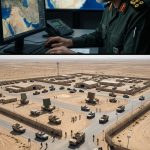
The Strike on Tel Aviv According to the IRGC, the latest assault utilized advanced hypersonic missiles capable of bypassing the U.S.-deployed THAAD missile defense systems currently stationed in Israel. Impact points were reported near strategic targets in Tel Aviv, including the central command building of the Israeli Ministry of Defense. Simultaneously, drone swarms targeted Ben Gurion Airport, causing immediate disruptions to international flight operations.
While Israel and the U.S. claim “historic progress” in neutralizing Iran’s nuclear and military infrastructure, Tehran’s ability to strike deep into Israeli territory suggests that its retaliatory capabilities remain a potent threat. The Israeli Prime Minister’s office maintained that current operations are essential to dismantle Iran’s atomic ambitions, alleging that Tehran is actively rebuilding its nuclear program in secret underground facilities.
Operation Epic Fury and the “Lion’s Roar” The joint U.S.-Israeli campaign, dubbed “Operation Epic Fury” by Washington and “Operation Lion’s Roar” by Tel Aviv, represents the largest concentration of American military firepower in the region in decades. U.S. Central Command (CENTCOM) confirmed the deployment of B-2 and B-1 strategic bombers, alongside naval destroyers launching Tomahawk cruise missiles and ground forces utilizing HIMARS rocket systems.
The primary objective of the campaign appears to be the total degradation of the Iranian regime’s command structure. Following the death of Supreme Leader Ayatollah Ali Khamenei in the opening stages of the bombardment on February 28, Israeli Defense Minister Israel Katz issued a stark warning: any successor appointed by Tehran’s Assembly of Experts will be “targeted for unconditional elimination.”
Gulf Nations Caught in the Crossfire The conflict has rapidly spread beyond the primary belligerents, with Iranian retaliatory strikes affecting more than six countries across the Gulf, including the UAE, Bahrain, and Qatar. Hypersonic missiles and drones have targeted bases housing U.S. troops, but debris from interceptions has caused widespread damage to civilian infrastructure.
In Dubai, shrapnel from intercepted munitions caused fires near the luxury Palm Jumeirah resort and the Jebel Ali port, while a Crown Plaza hotel in Bahrain sustained significant damage. Governments in the region have responded by shifting schools to online learning and mandating remote work as airspaces remain volatile. Despite these attacks, Qatari F-15s successfully engaged and downed two Iranian Su-24 bombers that strayed near its natural gas facilities, marking the first direct aerial dogfight by the Qatari Air Force in this conflict.
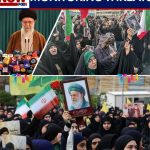
Tehran’s Defiance Amid National Mourning Inside Iran, a 40-day period of national mourning has been declared for Ayatollah Khamenei. Thousands have marched through the streets of Tehran and Isfahan, demanding immediate military retribution against the U.S. and Israel. While initial reports suggested the possible death of President Masoud Pezeshkian, Iranian officials have since refuted these rumors, asserting that the President remains in good health, though his current location remains classified.
As the U.S. military vows to continue operations “without interruption” until regional peace is secured, the Middle East stands at a perilous crossroads. With the systematic destruction of the Iranian Navy and the ongoing bombardment of command centers in Tehran, the conflict shows no signs of de-escalation, leaving the global community on high alert.