Escalation in the Gulf: Iran’s Aerial Assault Strains US Interceptor Stocks and Triggers Regional Combat
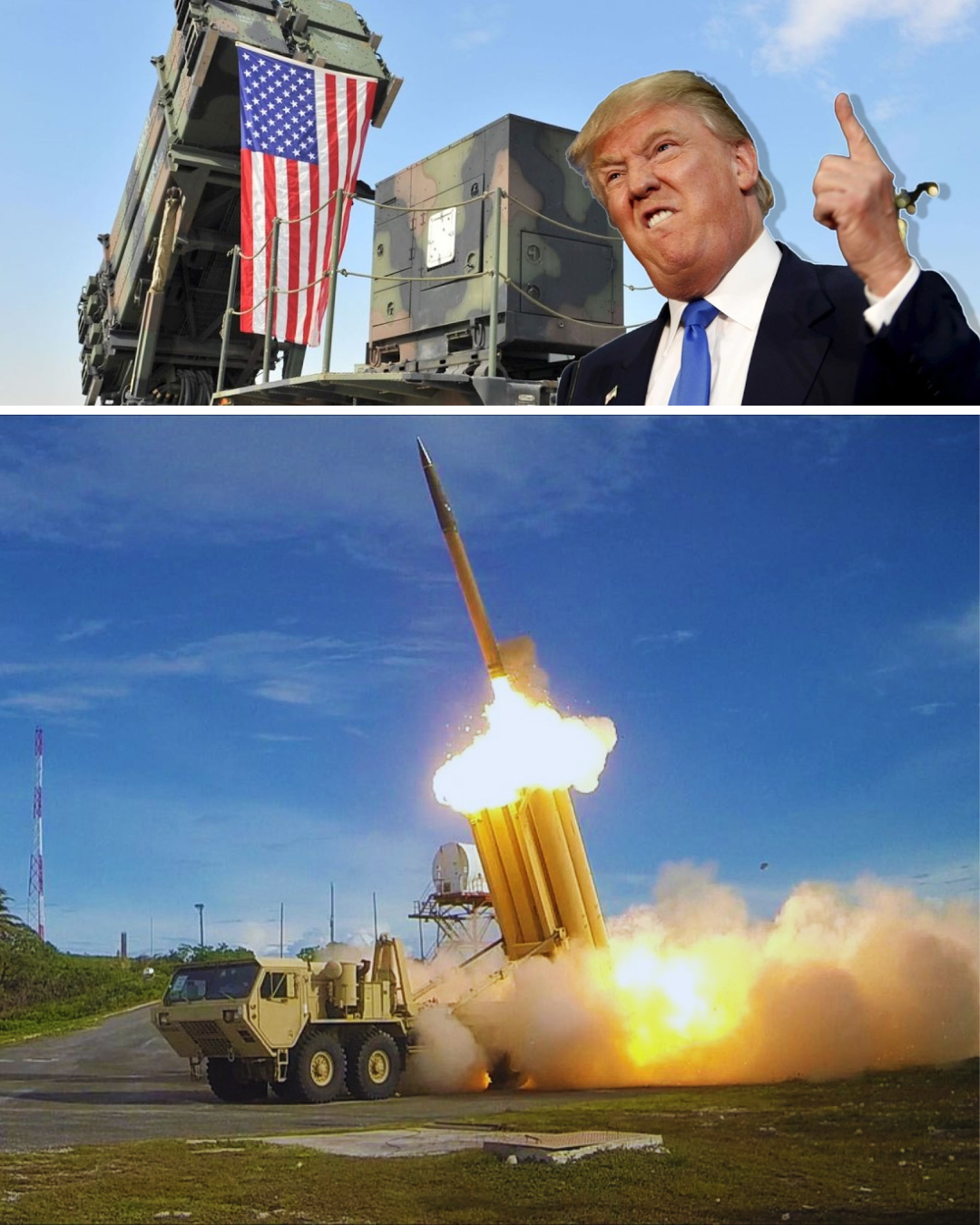
DOHA / WASHINGTON — The Middle East has entered a dangerous new phase of kinetic warfare as Iran’s retaliatory strikes against U.S. and Israeli interests force a rapid depletion of critical air defense assets. As Tehran broadens its target list to include luxury infrastructure across the Gulf, the United States is racing to bolster production of the Patriot missile system to prevent a catastrophic breach in its regional defensive umbrella.
The Interceptor Crisis
Following the launch of the U.S.-led “Epic Fury” campaign and Israel’s “Roaring Lion” operation on February 28, Tehran has responded with a massive volume of ballistic missiles and unmanned aerial vehicles (UAVs). According to reports from Kuwait, the nation alone has faced 178 ballistic missiles and 384 UAVs as of early March, illustrating the sheer scale of the Iranian offensive.
To counter these threats, the U.S. and its allies—including Qatar, Bahrain, and the UAE—have deployed a multi-layered defense featuring the MIM-104 Patriot (PAC-3), THAAD systems, and ship-borne Standard missiles. However, the high intensity of the conflict is consuming interceptor stocks at an unsustainable rate. Each PAC-3 MSE missile carries a price tag of approximately $3.7 million, and while Lockheed Martin has increased production, experts warn that expanding capacity to meet short-term demand remains a significant challenge.
The strain is further exacerbated by the ongoing war in Ukraine, where Patriot systems are equally vital. President Volodymyr Zelenskyy has already expressed concerns that a prolonged Middle East conflict could divert essential air defense resources away from Kyiv.
Historical Dogfight Over Qatar
In a stunning escalation of conventional warfare, the Qatari Air Force engaged in its first-ever direct air-to-air combat operation. On the morning of March 4, the Iranian Revolutionary Guard Corps (IRGC) dispatched two Su-24 tactical bombers toward Qatar’s Al Udeid Air Base—the largest U.S. military facility in the region—and the critical Ras Laffan gas terminal.
The Iranian bombers reportedly descended to an altitude of just 80 feet to evade radar detection and were within two minutes of their targets when they were visually identified. After failing to respond to radio warnings, Qatari F-15 fighters intercepted and shot down both aircraft over Qatari territorial waters. U.S. Joint Chiefs Chairman Gen. C.Q. Brown confirmed the incident, while Qatari Prime Minister Mohammed bin Abdulrahman Al Thani condemned the move as a provocative attempt to “drag neighboring countries into a war that is not theirs.”
The Neutralization of the Iranian Navy
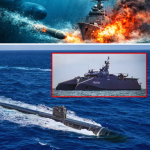
While Iran maintains pressure from the air, its maritime capabilities have been severely crippled. Admiral Brad Cooper, commander of U.S. Naval Forces Central Command, announced that the U.S. has successfully destroyed 17 Iranian vessels since the start of the campaign.
The casualties include Iran’s most advanced operational submarine and various surface combatants. Admiral Cooper noted that more than 50,000 U.S. troops and 200 combat aircraft are participating in the 24/7 offensive. “Simply put, we are focused on shooting down everything that can shoot at us,” Cooper stated, adding that there are currently no active Iranian naval vessels operating in the Persian Gulf, the Strait of Hormuz, or the Gulf of Oman.
Impact on Regional Stability
The conflict’s reach has extended into the heart of the Gulf’s economic and tourism hubs. Intercepted missiles and falling debris have caused fires and damage at luxury locations, including the Palm Jumeirah in Dubai and the Crown Plaza Hotel in Manama. In response to the persistent threat, the UAE government has transitioned all schools and universities to remote learning and encouraged private sector employees to work from home.
As the conflict nears its second week, the strategic focus has shifted to a war of attrition. The ultimate outcome may depend on which side exhausts its arsenal first: Iran’s stockpile of offensive missiles or the U.S.-led coalition’s supply of high-tech interceptors. For now, the “Epic Fury” continues, with both sides showing no signs of backing down despite the mounting human and economic costs.