US Senate Rejects Resolution to Curb War Powers as “Epic Fury” Against Iran Intensifies
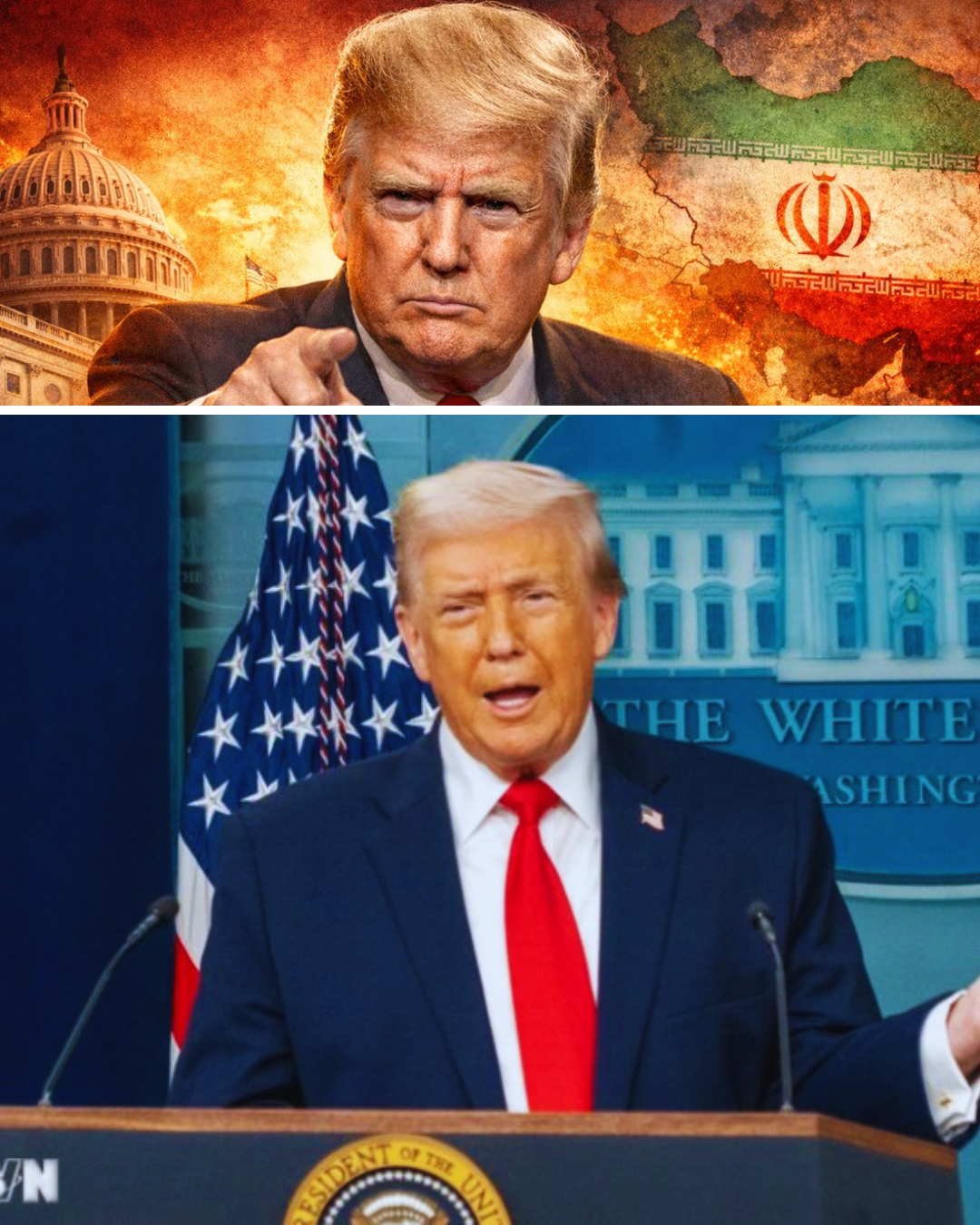
WASHINGTON D.C. — In a pivotal moment for U.S. foreign policy, the United States Senate has voted to block a resolution aimed at restricting President Donald Trump’s authority to conduct military operations against Iran. The 53-47 vote, largely split along party lines, effectively grants the administration a green light to proceed with its massive aerial and maritime offensive, known as Operation “Epic Fury.”
Legislative Support Amid Regional Turmoil
The resolution, sponsored by Democratic leaders including Senator Chuck Schumer, sought to mandate congressional approval for any continued hostilities. Proponents argued that the War Powers Resolution was necessary to restore the constitutional authority of Congress to declare war, citing concerns that the U.S. is being dragged into another “forever war” in the Middle East.
However, the majority of Republican senators, led by Senate Foreign Relations Committee Chairman Jim Risch, argued that the President’s actions are a lawful exercise of his role as Commander-in-Chief to protect American interests through targeted strikes. Risch emphasized that the current campaign is not intended to be a permanent conflict but rather a swift and decisive operation to neutralize immediate threats. Speaker of the House Mike Johnson echoed these sentiments, suggesting that halting the campaign mid-stream would embolden Iranian forces and endanger American personnel.
The Scale of “Epic Fury”
As the legislative battle unfolded in Washington, the military reality on the ground has been one of overwhelming force. Admiral Brad Cooper, commander of U.S. Central Command (CENTCOM), confirmed that tens of thousands of U.S. troops are now engaged in the offensive. Since the operation began on February 28, the U.S. has systematically dismantled the Iranian Navy, reporting the destruction of 17 vessels, including Iran’s most capable operational submarine.
“Simply put, we are focused on shooting down everything that can shoot at us,” Admiral Cooper stated. He noted that U.S. B-1 and B-2 stealth bombers have conducted precision strikes with virtually no resistance, effectively clearing the Persian Gulf, the Strait of Hormuz, and the Gulf of Oman of active Iranian naval assets. The Pentagon revealed that the primary objective of the current phase is the total neutralization of Iran’s maritime and ballistic missile capabilities.
Regional Contagion and Civilian Impact
The conflict has rapidly transcended the borders of Iran and Israel, impacting at least six other nations in the Gulf region. In retaliation for the U.S.-Israeli strikes, Tehran has launched over 500 ballistic missiles and 2,000 drones, targeting locations in the UAE, Bahrain, and Qatar.
The fallout has been felt in the heart of the region’s commercial hubs. Luxury hotels, shopping malls, and international airports in Dubai and Manama have faced disruption from intercepted missile debris. Notably, the Palm Jumeirah resort in Dubai and the Crown Plaza Hotel in Manama sustained damage. In response to the persistent aerial threat, the UAE government has ordered schools to move to remote learning, while flight cancellations have plagued major regional airports.
Internal Unrest in Iran
The human cost within Iran has been significant. Following reports of the death of Supreme Leader Ayatollah Ali Khamenei during the initial waves of air raids, the Iranian government declared 40 days of national mourning and a week-long nationwide shutdown. Massive protests have erupted in Tehran, Isfahan, and Mashhad, with thousands of citizens demanding immediate military retaliation.
Despite the internal chaos and rumors regarding the status of President Masoud Pezeshkian, the Iranian Revolutionary Guard Corps (IRGC) remains defiant. Tehran has officially rejected calls for mediation from Oman, stating it is prepared for a long-term struggle.
As President Trump vows that the strikes will continue for “as long as necessary” to achieve regional stability, the rejection of the Senate resolution signals a unified—and increasingly aggressive—U.S. stance. The coming days will determine if this “Epic Fury” leads to the swift conclusion promised by supporters or the prolonged regional catastrophe feared by critics.