Escalation in the Gulf: Iranian Missiles Strike U.S. Tanker as Tehran Asserts Control Over Strait of Hormuz
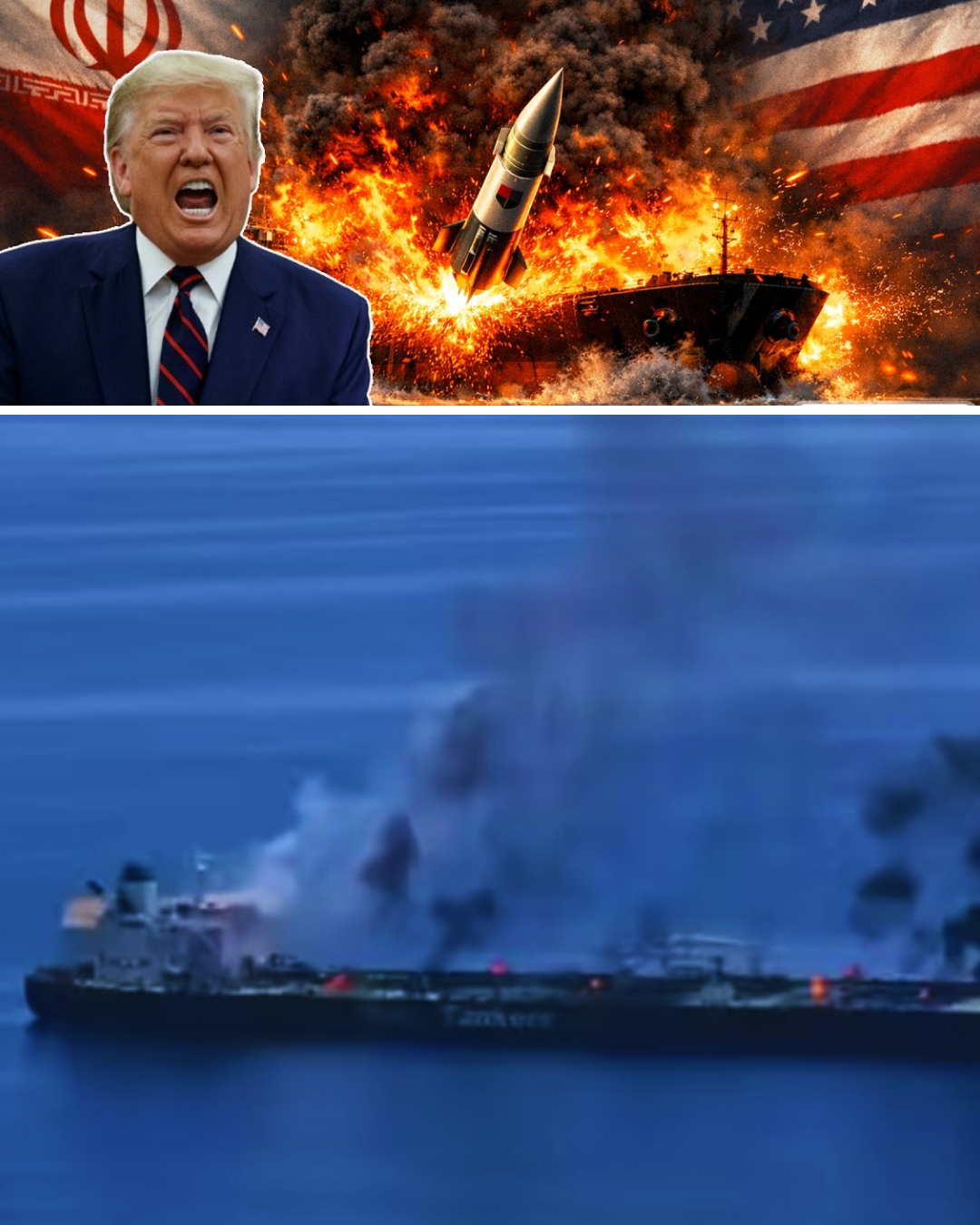
TEHRAN / WASHINGTON D.C. — The geopolitical landscape of the Middle East shifted into a state of “Red Alert” on March 5, 2026, following a direct missile strike by the Iranian Revolutionary Guard Corps (IRGC) on an American oil tanker in the northern Persian Gulf. The attack, which left the vessel engulfed in flames, marks a significant escalation in the ongoing military confrontation between Iran and the U.S.-Israeli alliance.
The Battle for Maritime Control
In a televised statement, the IRGC claimed responsibility for the strike, asserting that the Strait of Hormuz—a vital artery for global energy supplies—is now under the exclusive control of the Islamic Republic of Iran. The military body declared the strait closed to all vessels belonging to the United States, Israel, Europe, and their Western allies.
“Any vessel from these nations or their supporters appearing in this region will undoubtedly be targeted,” the IRGC warned. The effective paralysis of the strait has sent shockwaves through global energy markets, with Brent crude prices surging over 13% to surpass $82 per barrel. Analysts warn that a total blockade could push U.S. gasoline prices well above $3.00 per gallon, creating significant political pressure on the Trump administration ahead of the mid-term elections.
U.S. Military Strategy: “Epic Fury” Continues
In Washington, Secretary of Defense Pete Hegseth addressed the possibility of deploying ground troops to Iran, though he emphasized that the U.S. is determined to avoid a “forever war” similar to the occupation of Iraq. Speaking at a Pentagon briefing, Hegseth stated that while no boots are currently on the ground, the U.S. would not telegraph its future moves to the enemy.
“We have proven that we can achieve our objectives—destroying Iran’s offensive missiles, production capabilities, and naval infrastructure—without acting recklessly,” Hegseth said. He noted that the primary goals of the military campaign are to dismantle Iran’s security apparatus and ensure it never possesses nuclear weapons.
Despite the reliance on air superiority, the human cost is mounting. U.S. officials confirmed that four American citizens have been killed in the conflict so far. General Dan Keen, Chairman of the Joint Chiefs of Staff, warned that additional casualties are likely before the hostilities conclude.
Aerial Combat and Technical Losses
The intensity of the conflict was further illustrated by reports from Kuwait, where a U.S. F-15E Strike Eagle multi-role fighter reportedly crashed. Footage circulated on social media showed the aircraft in a flat spin with fire trailing from its fuselage before the two pilots successfully ejected. While the pilots are reported to be safe, this event marks a rare combat-related loss of the advanced fighter.
Simultaneously, air defense sirens have become a regular occurrence in Kuwait City as the U.S. and its regional partners struggle to intercept waves of Iranian drones and missiles. While local officials claim a high interception rate, the persistent nature of the attacks continues to strain regional defenses.
Diplomatic Deadlock
On the diplomatic front, the prospects for a ceasefire remain bleak. Ali Larijani, Secretary of Iran’s Supreme National Security Council, officially rejected any possibility of negotiations with Washington. Larijani dismissed reports from The Wall Street Journal suggesting that Tehran had reached out via Omani mediators, stating firmly on social media that “We will not negotiate with the United States.”
As the conflict enters a more volatile phase, President Donald Trump has called on “freedom-loving Iranian patriots” to reclaim their country. However, with Iran holding the “strategic card” of the Hormuz blockade and the U.S. weighing the risks of a ground invasion, the world remains on edge. The coming days will be critical in determining whether the “Epic Fury” leads to a decisive conclusion or a prolonged quagmire in the heart of the world’s most sensitive energy corridor.