Global Exodus: Nations Scramble to Evacuate Citizens Amidst Unprecedented Escalation in Middle East Conflict
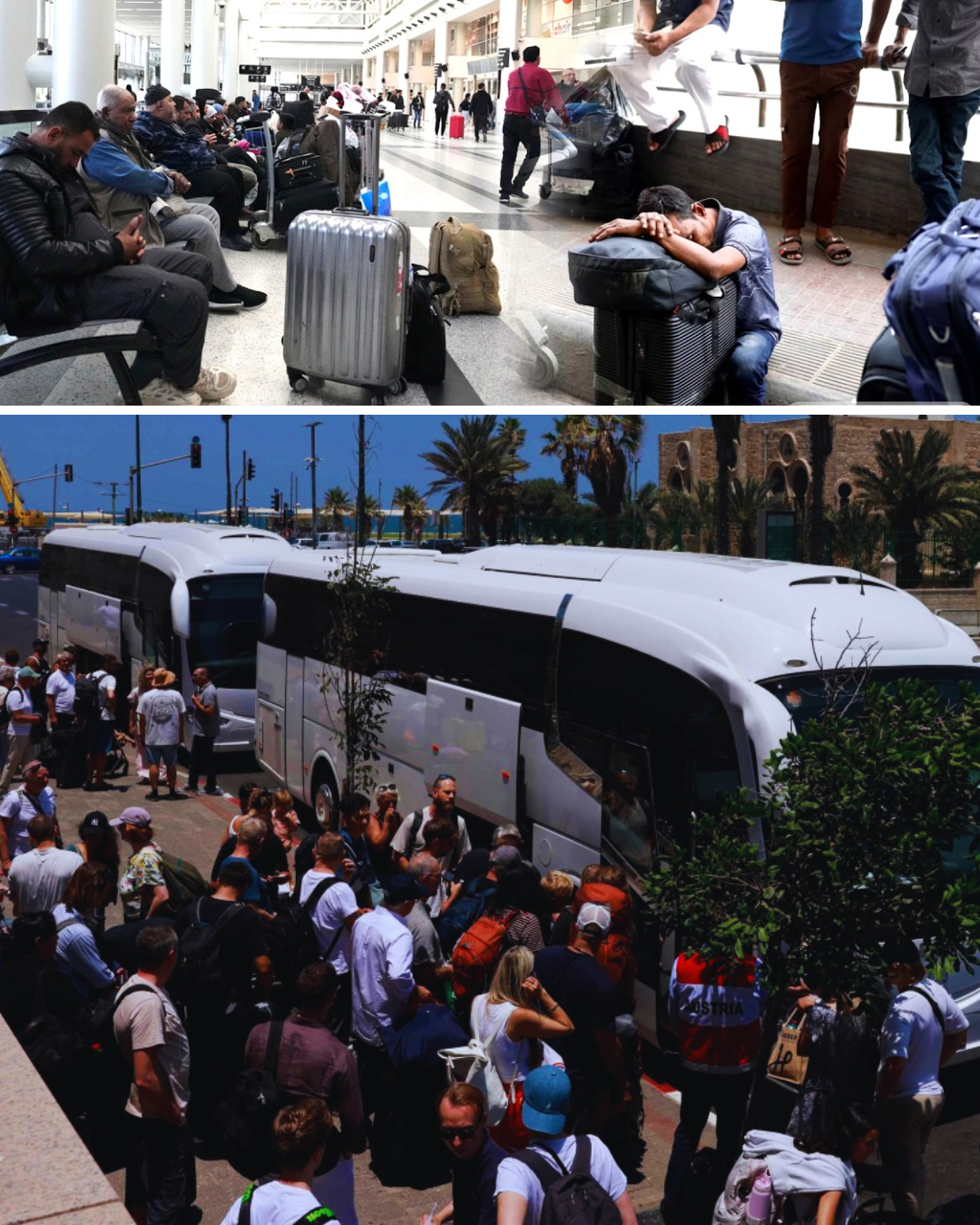
Regional security collapses as direct military engagements between the U.S., Qatar, and Iran spark a massive international repatriation effort.
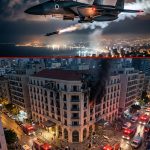
MIDDLE EAST – The Middle East stands at a perilous crossroads as a series of high-stakes military engagements has triggered a frantic global race to evacuate foreign nationals. From the mobilization of military transport aircraft by South Korea and New Zealand to the emergency withdrawal of diplomatic staff by the United States and the United Kingdom, the international community is bracing for what appears to be an all-out regional conflict.
A Decisive Naval Blow
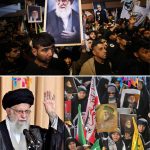
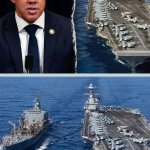
The current wave of evacuations follows a dramatic escalation in military hostilities. In a televised briefing, U.S. officials confirmed the commencement of “Operation Furious Rage,” a campaign aimed at neutralizing Iranian military capabilities. A pivotal moment in this operation occurred when a U.S. submarine reportedly sank an Iranian warship, identified by regional sources as the IRIS Dena, using torpedoes in the Indian Ocean.
Admiral Brad Cooper, commander of U.S. Central Command (CENTCOM), stated that Washington has mobilized tens of thousands of troops and destroyed 17 Iranian vessels since late February. “Simply put, we are focused on shooting down everything that can fire at us,” Cooper remarked, noting that for the first time in decades, no Iranian naval vessels remain operational in the Persian Gulf or the Strait of Hormuz.
Qatar’s Unprecedented Aerial Engagement
The conflict reached a new dimension over Qatari airspace. In a historic first, the Qatari Air Force engaged in direct aerial combat after two Iranian SU-24 tactical bombers were detected approaching the Al Udeid Air Base—the largest U.S. military installation in the region.
Despite radio warnings from Qatari authorities, the Iranian aircraft maintained their course at low altitudes to evade radar. Qatari F-15 fighters subsequently intercepted and shot down both bombers, which crashed into Qatari territorial waters. Qatari Prime Minister Mohammed bin Abdulrahman Al Thani described the incursion as a “dangerous escalation,” accusing Tehran of attempting to drag neighboring states into a war not of their making.
The Great Evacuation Race
As missiles and drones cloud the skies, nations across Asia, Europe, and the Americas have initiated emergency protocols to protect their citizens.
-
South Korea: President Yoon Suk-yeol has ordered the immediate deployment of military transport and chartered aircraft to evacuate an estimated 17,000 South Koreans residing in ten Middle Eastern nations. Special police units have also been dispatched to Dubai and Oman to assist those stranded in the combat zones.
-
The United States: The State Department has authorized the departure of non-emergency personnel and their families from embassies in Pakistan, Saudi Arabia, Oman, and Kuwait. This decision followed violent protests in Pakistan, which resulted in at least 25 deaths and an attempted breach of the U.S. Consulate in Karachi.
-
Mexico and New Zealand: Mexico has successfully moved nearly 300 citizens to safe havens in Egypt and Turkey, while New Zealand has dispatched two C-130 Hercules aircraft to the region to ferry its nationals to safety.
-
Bosnia and South Africa: Sarajevo is coordinating evacuation flights from the UAE and Qatar for over 1,000 citizens, while South Africa has urged its 6,400 nationals to utilize remaining commercial flights to exit the region immediately.
Retaliation and Uncertainty
In response to the U.S. and Israeli strikes, Iran has launched a barrage of over 500 ballistic missiles and 2,000 drones targeting various Gulf nations. While regional air defenses have intercepted the majority of these threats, U.S. officials confirmed that six American soldiers were killed when an Iranian warhead struck a temporary operations center in Kuwait.
As “Operation Furious Rage” enters its second week, the scale of the military involvement—involving over 50,000 U.S. troops and 200 combat aircraft—suggests that the window for diplomatic de-escalation is rapidly closing. For the thousands of foreign nationals still caught in the crossfire, the coming days will be a desperate test of logistics and luck as the world watches the Middle East descend into further chaos.