US and Israel Launch Integrated Offensive Against Iran: A New Era of Strategic Coordination
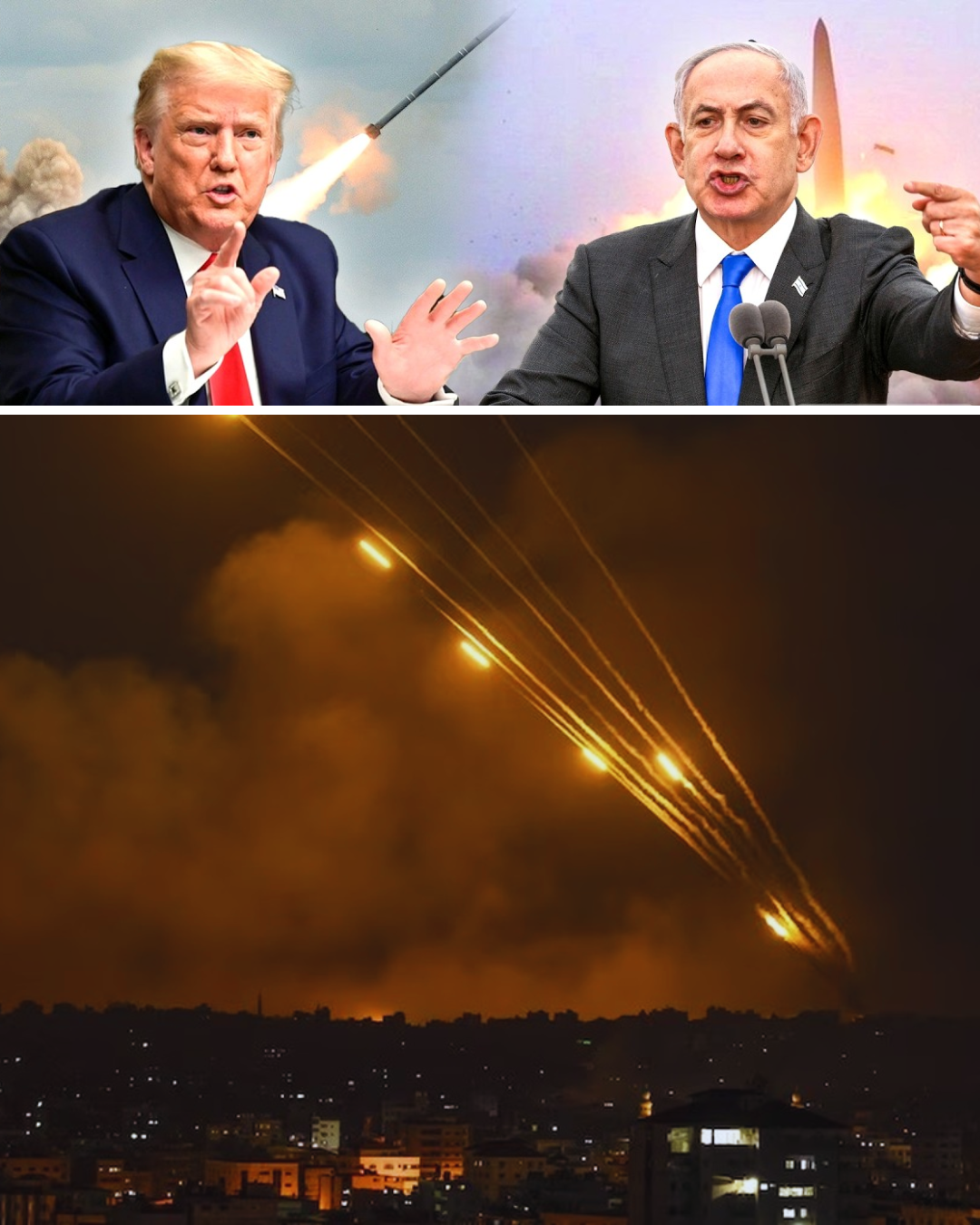
JERUSALEM/WASHINGTON – In a significant escalation of Middle Eastern hostilities, the United States and Israel have initiated a comprehensive, synchronized military campaign against Iran. Marking what military officials describe as the first “full-scale joint war” between the two allies, the operation reveals a meticulously partitioned battlefield designed to dismantle Iran’s regional military infrastructure.
Dividing the Battlefield
The joint offensive is characterized by a strategic division of labor, leveraging the unique geographical and technological advantages of both nations. According to reports from the Israel Defense Forces (IDF), the Israeli Air Force (IAF) has taken primary responsibility for neutralising long-range ballistic missile launchers and military assets in Western and Central Iran—regions traditionally used for direct strikes against Israeli territory.
Conversely, U.S. forces are targeting short-range missile sites in Southern Iran, which Tehran has historically used to threaten U.S. bases across the Middle East. Furthermore, the U.S. has assumed the mission of dismantling the Iranian Navy in its entirety, while Israel focuses on high-value political and administrative headquarters in Tehran.
The operation highlights Israel’s heavy reliance on U.S. logistics, specifically aerial refueling. With the U.S. possessing ten times the tanker capacity of Israel, dozens of American refueling aircraft have been deployed to ensure Israeli jets can sustain long-distance sorties.
Hezbollah’s Survival Fight
As the campaign against Iran intensifies, the conflict has surged across the border into Lebanon. Hezbollah leader Naim Qassem, in his first televised address since the escalation, declared a “war of survival,” vowing that the group would fight to the “last breath.” Qassem rejected accusations that Hezbollah initiated the fighting, framing their actions as a legitimate defense against U.S. and Israeli aggression.
The humanitarian cost in Lebanon is rising rapidly. Lebanese officials report at least 72 civilian deaths and over 83,000 displaced persons as the IDF pushes into southern border villages. Israel has issued urgent evacuation orders for dozens of villages south of the Litani River, warning that anyone remaining in these areas faces mortal danger.
Conflicting Claims of Attrition
The fog of war remains thick with conflicting reports regarding casualties and hardware losses. Tehran’s Khatam al-Anbiya Central Command claimed its indigenous defense systems downed three U.S. aircraft, including an F-15, near the Iranian-Kuwaiti border. While Kuwait confirmed the loss of three planes, U.S. officials attributed the incident to Kuwaiti anti-aircraft friendly fire.
Iran also claims to have inflicted significant casualties, asserting that 650 U.S. personnel were killed or wounded during the first 48 hours of its “True Promise 4” retaliatory operation. Revolutionary Guard spokesperson Ali Mohammad Naeini stated that Iranian missiles and drones forced the USS Abraham Lincoln to retreat toward the Indian Ocean after sustaining strikes on regional naval assets.
In contrast, Admiral Brad Cooper of U.S. Central Command (CENTCOM) reported that U.S. forces have successfully struck nearly 2,000 targets within Iran. Cooper maintained that the offensive has severely degraded Iran’s air defense systems and neutralized its entire operational navy in the Persian Gulf and the Strait of Hormuz.
The Arsenal Crisis and the Trump Administration’s Response
The unprecedented scale of the conflict has placed immense strain on the U.S. defense industrial base. The Trump administration is scheduled to meet with major defense contractors, including Lockheed Martin and RTX (parent company of Raytheon), to demand an accelerated production of munitions.
The Pentagon is reportedly seeking a $50 billion supplemental budget to replenish stockpiles exhausted by the campaign. Operations have heavily consumed long-range Tomahawk cruise missiles, F-35 stealth components, and low-cost attack drones. In a firm directive, President Trump has pressured contractors to prioritize production over shareholder dividends, threatening to terminate contracts for firms that fail to meet heightened output requirements.
As “Operation Furious Rage” continues, the Middle East remains engulfed in a conflict that Gulf Arab states have desperately tried to avoid. With Qatari officials warning that “all red lines have been crossed,” the prospect of a prolonged regional conflagration looms larger than ever.