Ancient Plastered Skull Discovered in Jericho Offers Insight Into Early Human Rituals
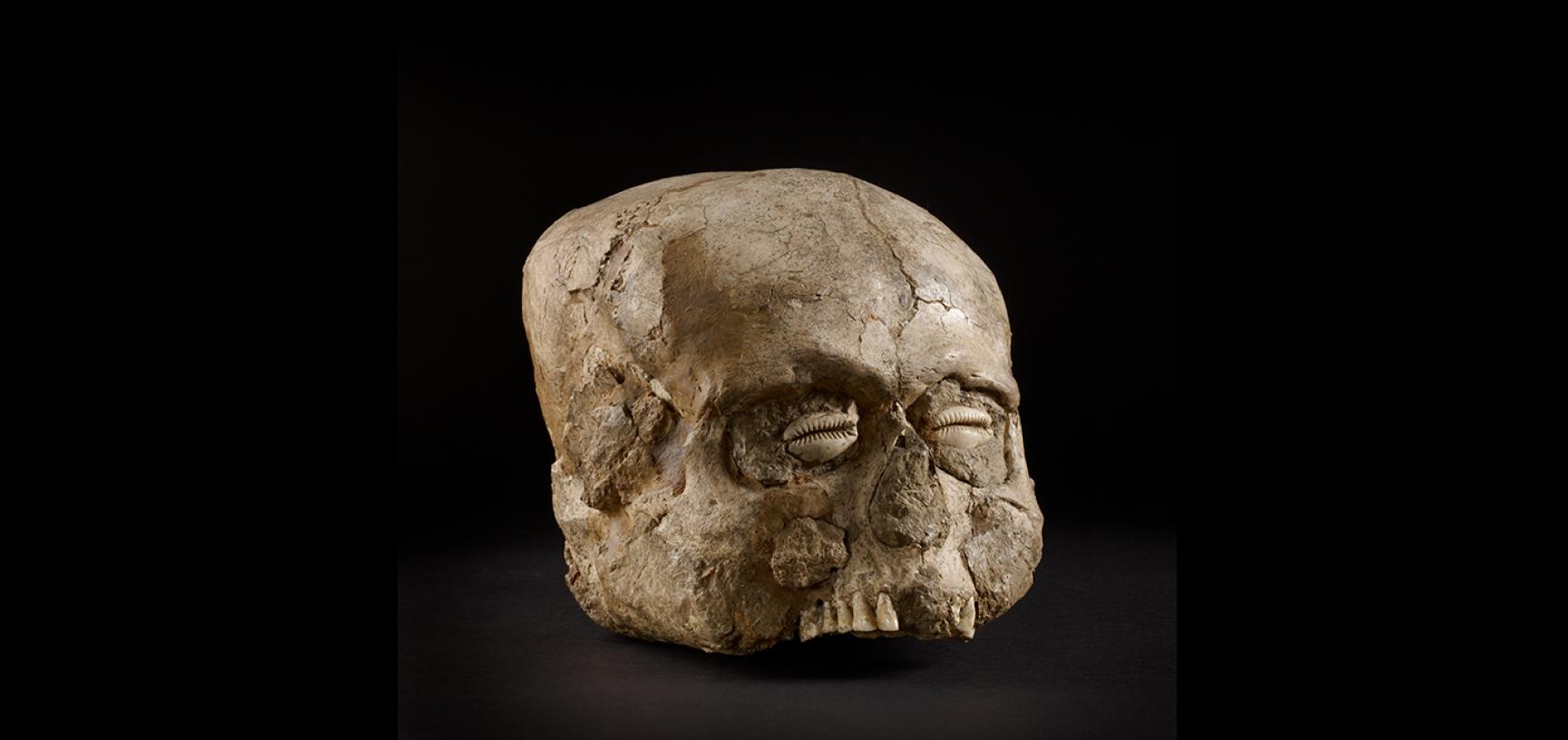
Archaeologists studying early settlements in the Middle East have uncovered a remarkable plastered human skull in Jericho, one of the oldest continuously inhabited cities in the world. The artifact dates back to the Pre-Pottery Neolithic B, a time when early farming communities were beginning to establish permanent settlements across the Levant.
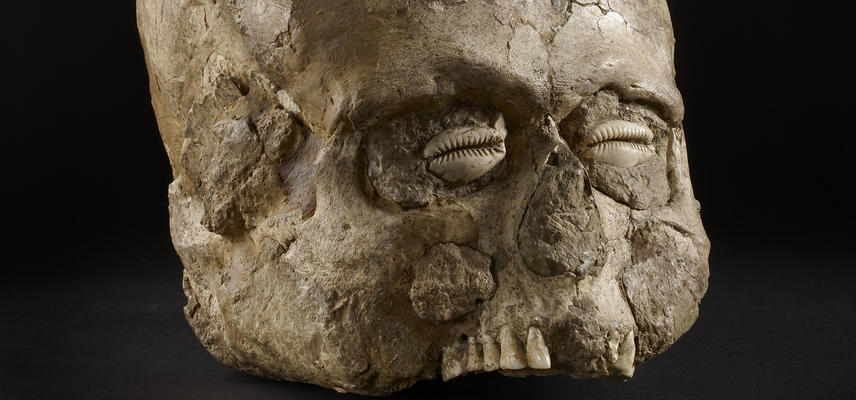
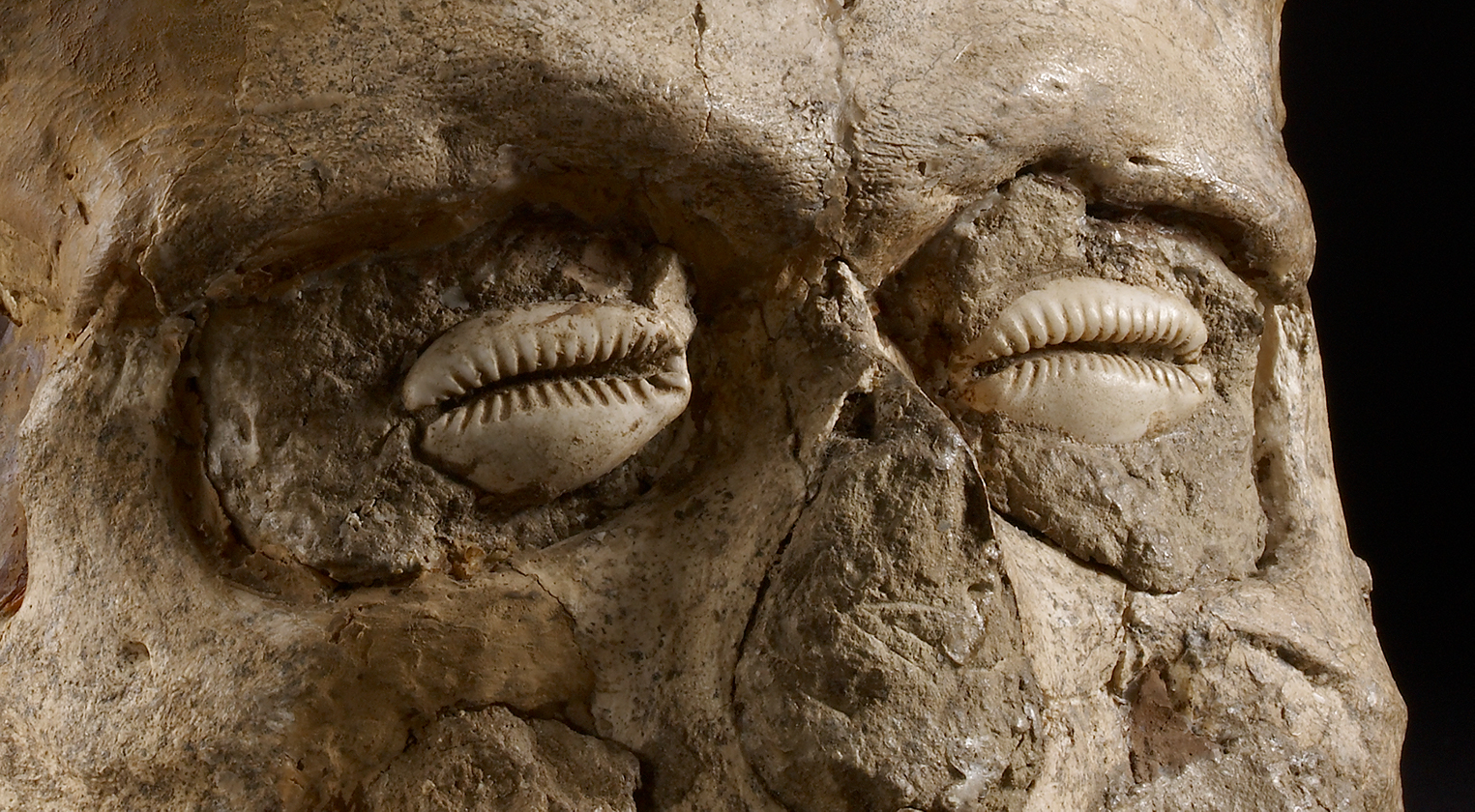
The skull is part of a unique tradition observed in several Neolithic communities, where human skulls were carefully removed from burials and later modified using plaster and pigments. In many cases, facial features such as noses, cheeks, and eye sockets were reconstructed with plaster, sometimes with shells placed to represent eyes. Researchers believe these objects were used in ritual contexts connected to memory, ancestry, and community identity.
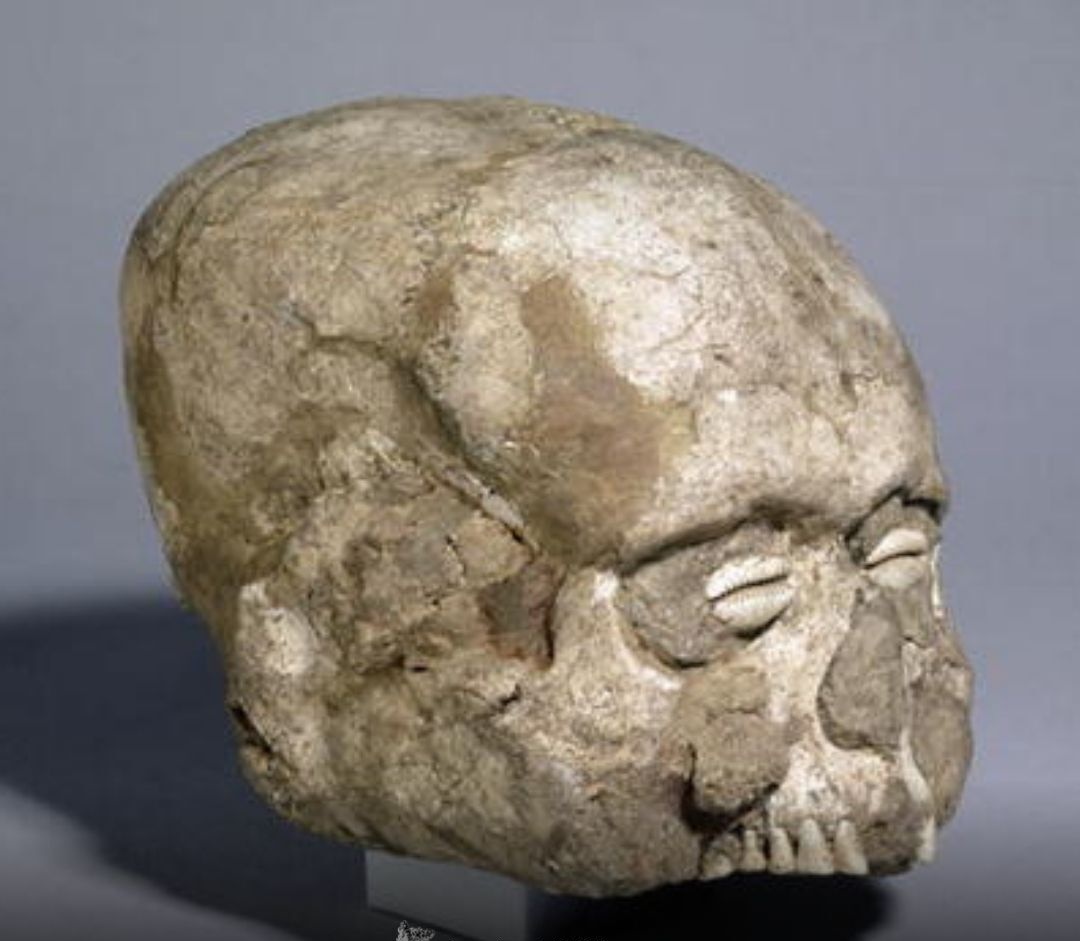
According to archaeologists working in the region, the Jericho example shows particularly refined craftsmanship. The plaster appears to have been carefully shaped to recreate the facial structure of the individual, suggesting that the skull may have represented a specific person rather than serving as a purely symbolic object.
“The level of detail suggests a deliberate effort to preserve the identity of the deceased,” explained one researcher involved in the study. “These artifacts may have played a role in ceremonies that honored important members of the community or reinforced family lineage.”
The practice of plastering skulls was especially common in parts of the Levant during the early Neolithic period. Archaeological discoveries in sites across the region indicate that several communities participated in similar mortuary traditions. Scholars believe these practices reflect early forms of ancestor veneration in societies that were transitioning from nomadic lifestyles to permanent agricultural settlements.
Jericho itself has long been considered one of the most significant archaeological sites in the world. Evidence suggests the city was inhabited as early as 9000 BCE, making it a key location for understanding the development of early urban life. Discoveries from the area have helped researchers trace the origins of agriculture, architecture, and organized community structures.
Finds such as the plastered skull provide rare insight into how prehistoric societies understood life, death, and memory. By studying burial customs and ritual objects, archaeologists can reconstruct aspects of belief systems that existed thousands of years before written records.
Researchers say these artifacts also demonstrate the growing complexity of early human culture. The creation of plastered skulls required technical skill, artistic expression, and shared cultural meaning within the community.
While the full significance of the Jericho skull is still being studied, experts agree that it represents an important window into the symbolic world of early human societies. Each discovery adds new detail to our understanding of how ancient communities honored their ancestors and expressed their beliefs long before the rise of recorded history.