🗿🌍 Echoes of Lost Worlds: From Tutankhamun’s Golden Guardians to Ancient Desert Petroglyphs and Hidden Treasures
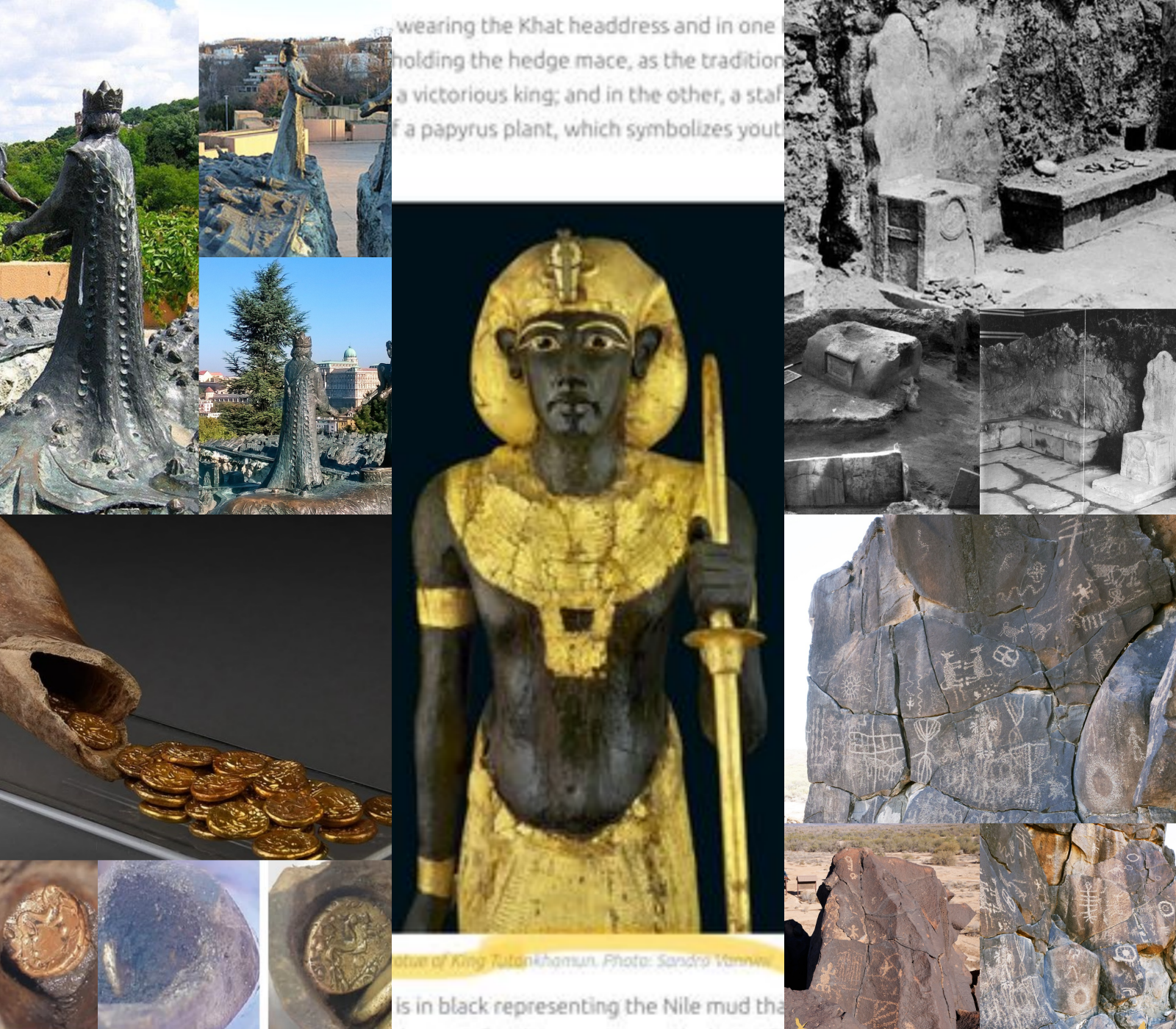
History often reveals itself through objects left behind—silent statues, carved stones, buried coins, and monuments that whisper stories across thousands of years. From the tombs of ancient Egypt to the deserts of North America and the heart of Europe, remarkable discoveries continue to illuminate humanity’s long and fascinating journey.
👑 The Eternal Image of a Young Pharaoh
When the tomb of Tutankhamun was uncovered in the Valley of the Kings, archaeologists found more than treasure—they discovered a powerful vision of how a young ruler wished to be remembered.
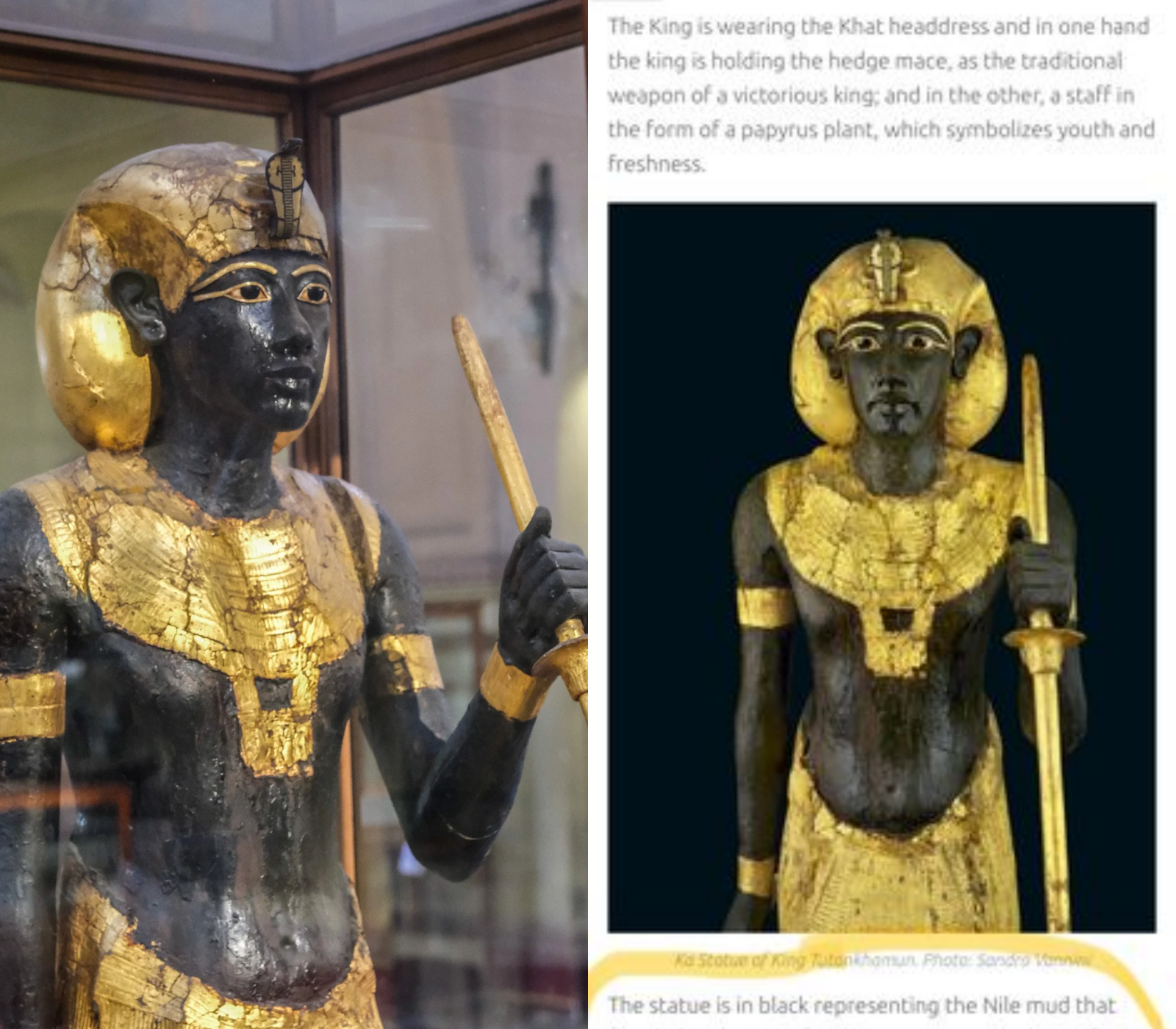
Though he died at a young age, the boy king clearly imagined a future where his name would endure as great as any ruler in history. Standing at the entrance of his burial chamber were two life-size guardian statues representing the king’s spiritual essence, known in ancient Egyptian belief as the Ka, the eternal life force that survives death.
These statues were crafted from wood and coated with dark resin, creating a striking black surface symbolizing rebirth and regeneration. Their garments shimmered with gold: sandals, bracelets, a broad ceremonial chest piece, and a royal kilt. In his hand, the king holds a long protective staff.
On his forehead rests the sacred cobra, the uraeus, symbolizing divine authority and royal protection. Even the eyebrows are delicately traced in gold. The statues seem to proclaim a message across eternity: if life did not allow the young pharaoh to achieve greatness on Earth, the afterlife would grant him the glory he deserved.
🏛️ Europe’s Oldest Throne Room Revealed
Far from Egypt, another discovery reshaped Europe’s understanding of ancient civilization.
In 1900, British archaeologist Arthur Evans uncovered the famous Throne Room inside the Palace of Knossos, the legendary center of the Minoan civilization.
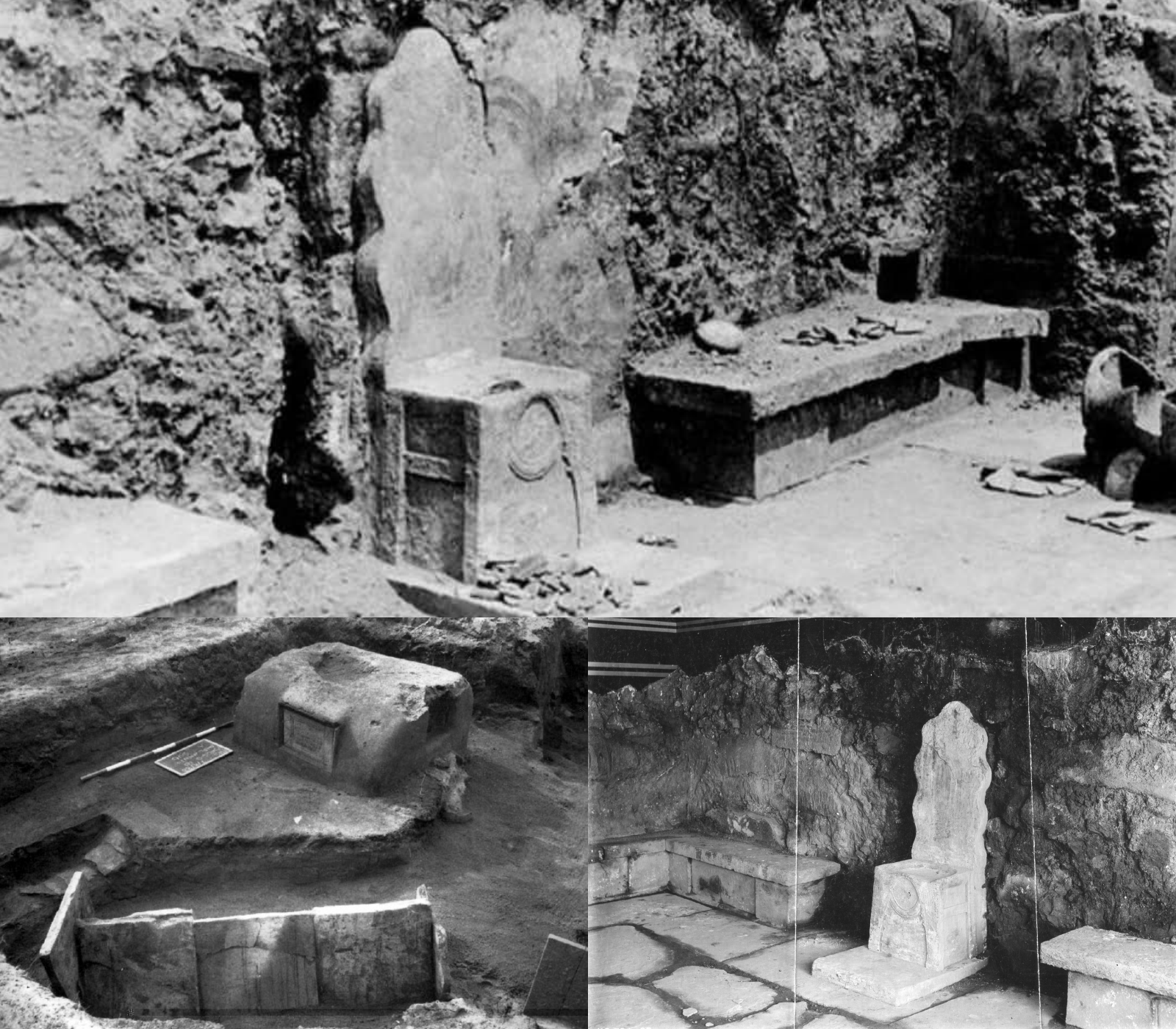
Dating back to the 15th century BC, the chamber is widely considered the oldest throne room in Europe. The stone throne, built directly into the wall and surrounded by benches and elaborate frescoes, suggests the space served ceremonial, political, or spiritual purposes. The discovery offered a rare glimpse into the sophisticated world of the ancient Minoans.
🏜️ Ancient Messages Carved in Stone
Across the Atlantic, the desert landscape of Arizona holds one of the most remarkable concentrations of prehistoric rock art in North America: Sears Point.
Spanning a vast area, the site contains more than 2,000 rock panels and nearly 20,000 petroglyphs carved into desert stone. These images depict wildlife, geometric patterns, and human figures that trace more than 10,500 years of human presence.
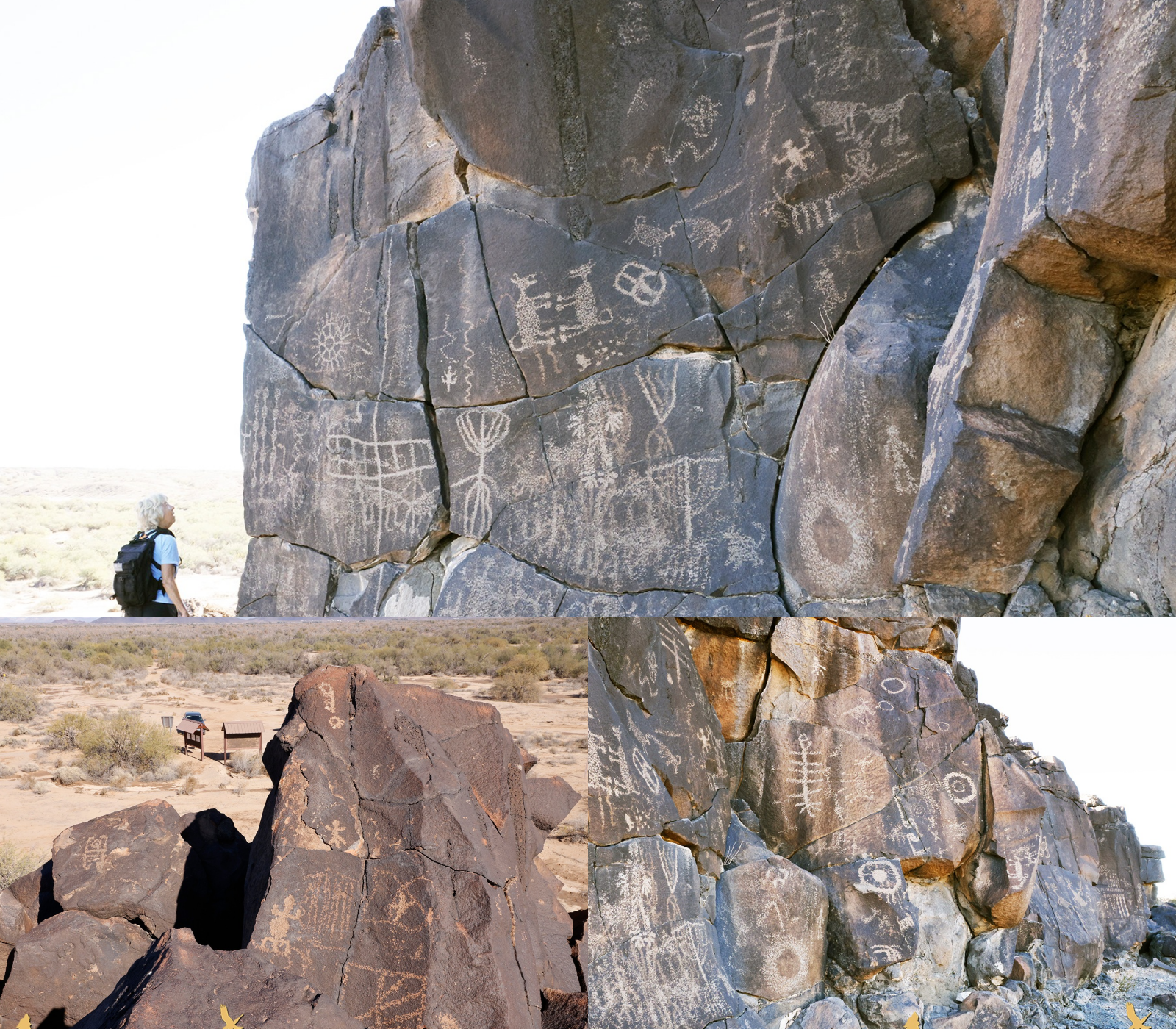
Archaeologists have identified three distinct artistic traditions at the site:
-
Western Archaic Tradition (10,500 BCE – 2,300 BCE)
-
Gila Style (300 BCE – 1450 CE)
-
Patayan Style (beginning around 500 CE)
Each style reflects the cultural evolution of communities who lived in the region over millennia, leaving behind a visual record of their beliefs, daily life, and environment.
💰 A Treasure Hidden Inside Bone
Another astonishing archaeological discovery emerged from excavations in Norfolk, England. At the Sedgeford, researchers uncovered the Sedgeford Hoard—a collection of 39 Gallo-Belgic gold staters dating back to the 1st century BC.
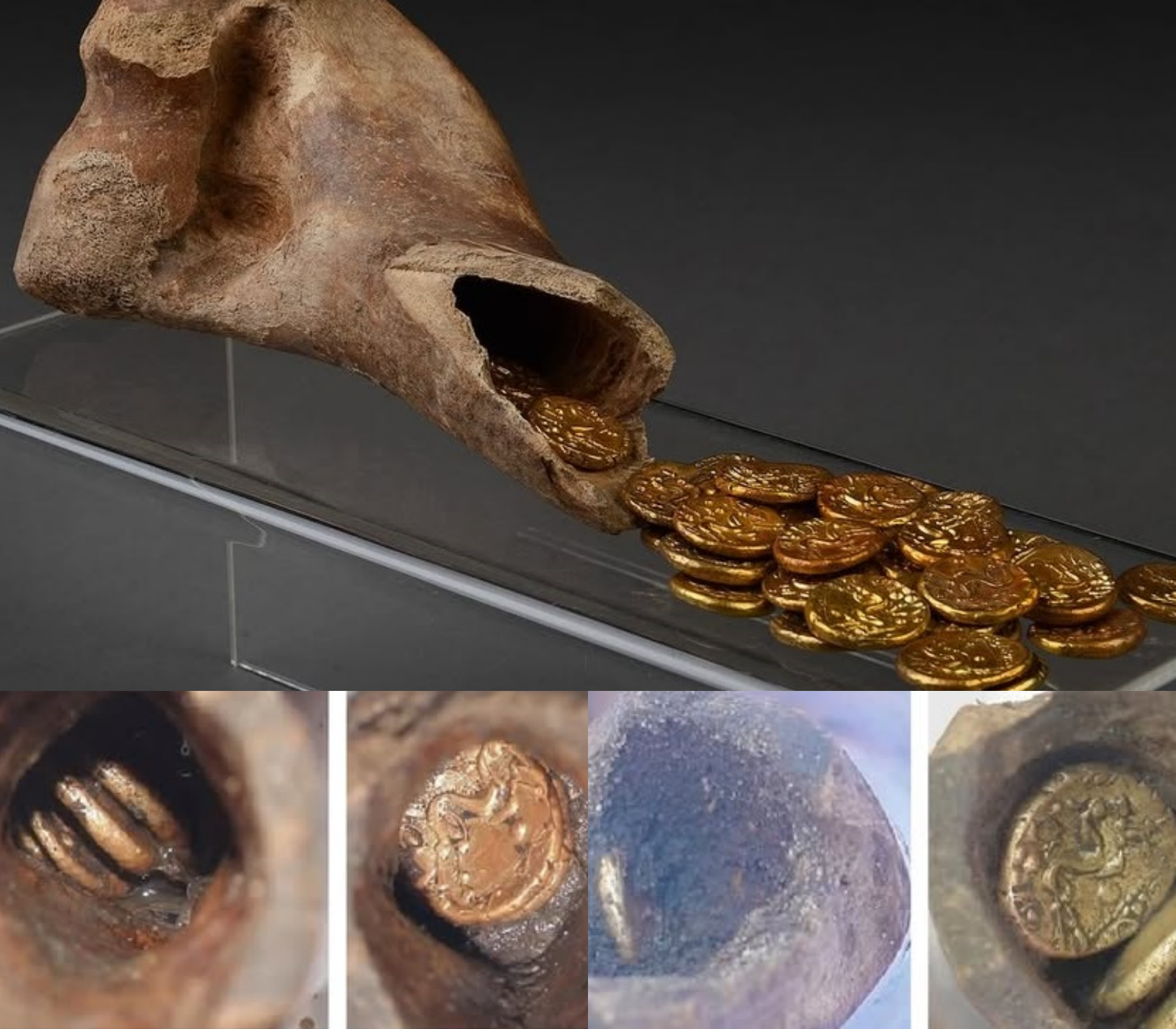
What made the discovery truly unusual was the hiding place: the coins were carefully concealed inside the hollow end of a cow’s leg bone. The bone acted as a natural container, protecting the treasure for more than two thousand years.
🌉 A City United by Love
History’s echoes are not always found in ancient ruins. Sometimes they stand proudly in modern cities.
In Budapest, a bronze and stone sculpture symbolizes the historic union of two once-separate cities: Buda and Pest.
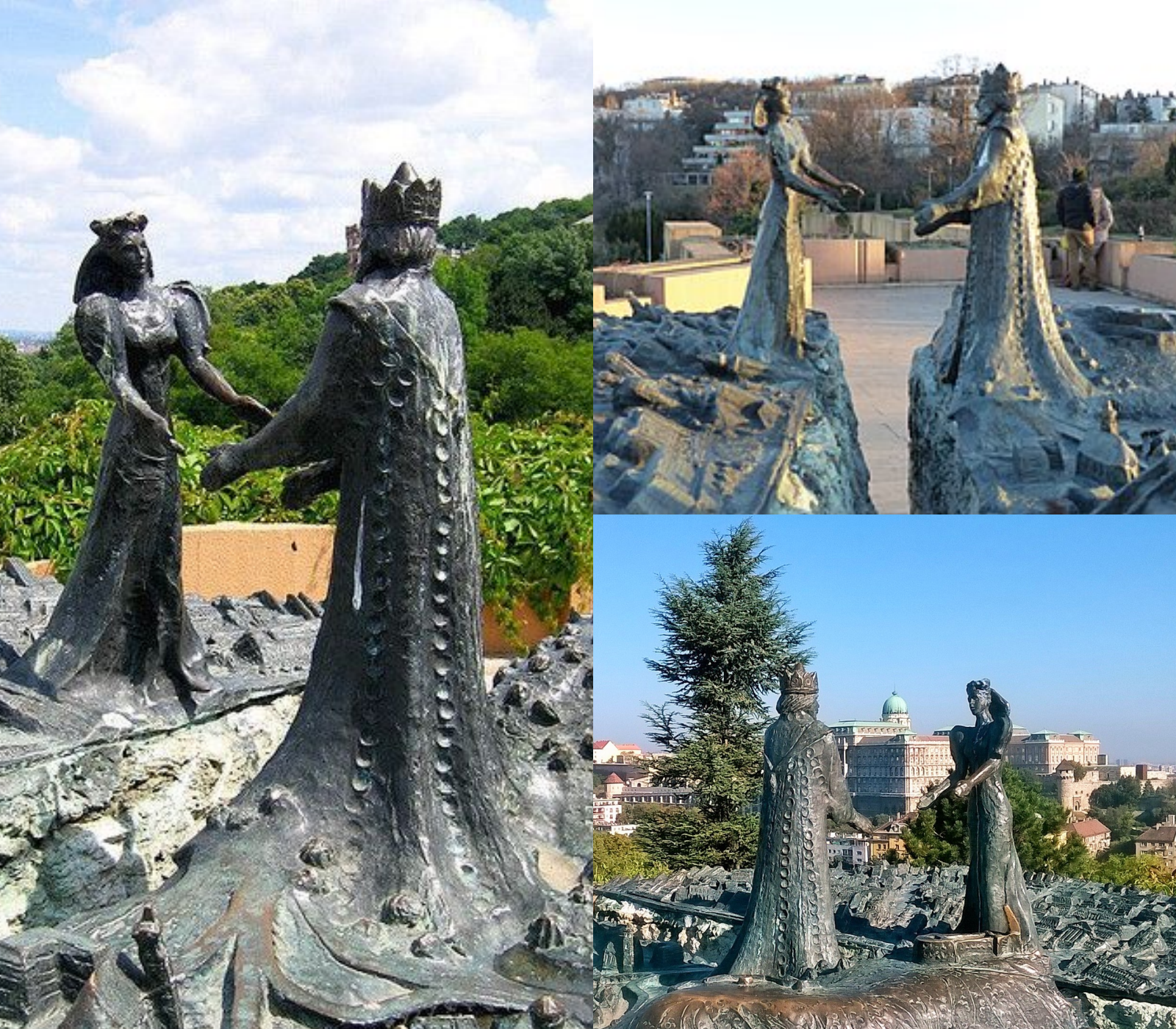
For centuries, the two towns stood on opposite sides of the Danube River. In 1873, they merged to form the capital now known as Budapest.
The sculpture tells the romantic legend of Prince Buda and Princess Pest, lovers separated by the river yet reaching across the water to embrace. Their symbolic union represents the merging of two landscapes—Buda’s historic hills and Pest’s vibrant plains—into one great city.
⏳ Threads of Humanity Across Time
From a golden pharaoh guarding his eternal rest to desert carvings thousands of years old, hidden treasures buried in bone, and monuments celebrating unity, each discovery reminds us that human history is woven from countless stories.
Civilizations rise, cultures transform, and cities unite—but the traces left behind continue to speak.
And as archaeologists, historians, and explorers uncover these remnants of the past, one truth becomes clear:
The world is still full of secrets waiting to be rediscovered. 🌎✨