Crowds Gather in Tehran for First Friday Prayers Since Start of War
- NgoPhong
- March 6, 2026
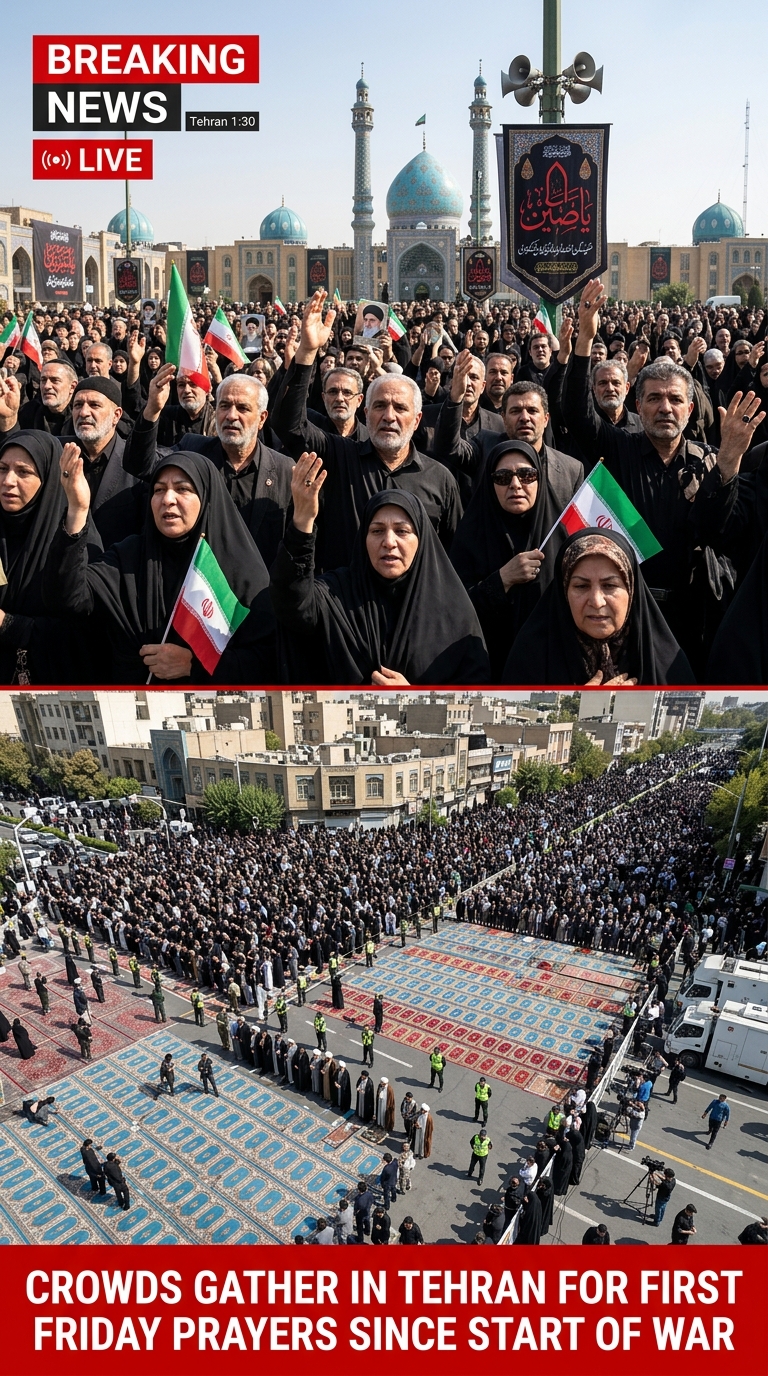
Large crowds of Iranians gathered in central Tehran on Friday for the first congregational prayers since the outbreak of war and the killing of Supreme Leader Ayatollah Ali Khamenei, marking a deeply symbolic moment for the country amid rising regional tensions.
Thousands of worshippers assembled at the Imam Khomeini Grand Mosque and surrounding streets in the Iranian capital. Many participants carried portraits of Khamenei, while others waved Iranian flags or wore black as a sign of mourning. After the prayers concluded, groups of supporters chanted slogans expressing loyalty to the Islamic Republic and condemning foreign powers they blame for the recent attacks. Others stood quietly in prayer, reflecting the mixture of grief, anger, and uncertainty now felt across the nation.
The gathering came less than a week after Khamenei was killed during a large-scale military strike reportedly carried out by the United States and Israel, which targeted his compound in Tehran. Iranian state media confirmed the death of the 86-year-old leader shortly after the attack, describing it as a “martyrdom” and declaring a national period of mourning.
Khamenei had served as Iran’s Supreme Leader since 1989 and held ultimate authority over the country’s political and military institutions. His death has created a major leadership vacuum and dramatically escalated tensions in the Middle East, with Iranian officials promising retaliation for what they call an act of aggression.
Friday prayers in Iran traditionally serve as both a religious ceremony and a platform for political expression. This week’s gathering therefore carried particular significance. For many supporters of the government, attending the prayers was a way to demonstrate unity and loyalty following the loss of the country’s most powerful figure.
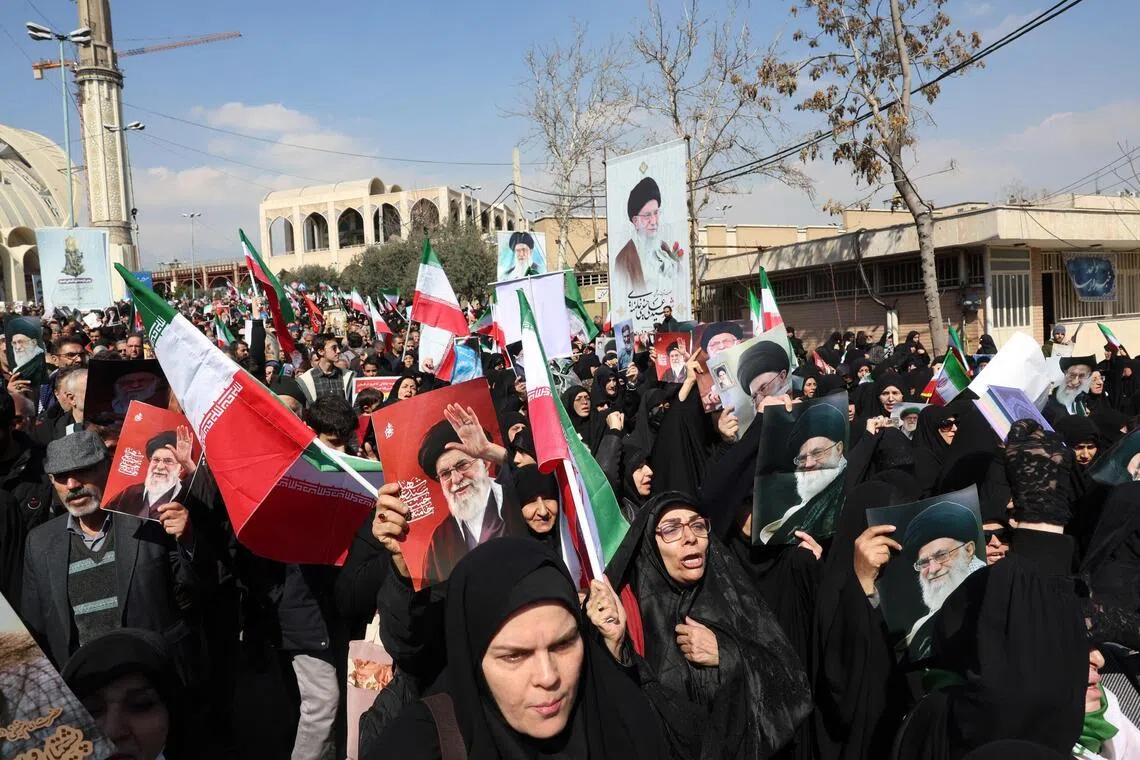
Witnesses said the atmosphere in Tehran was solemn but intense. Some mourners wept while holding pictures of the late leader, and groups of young men beat their chests in a traditional sign of mourning. Clerics leading the prayers urged worshippers to remain steadfast and emphasized themes of resistance and faith during the ongoing conflict.
However, reactions within Iran remain divided. While pro-government supporters have organized mourning ceremonies across the country, reports indicate that some Iranians have reacted differently, with small groups celebrating the leader’s death in certain cities. These contrasting responses highlight the deep political and social divisions that have shaped Iranian society in recent years.
Security in Tehran was noticeably tight during the prayers. Police and members of the Islamic Revolutionary Guard Corps were deployed around the mosque and key intersections to control crowds and prevent unrest. Authorities have also imposed restrictions on communications in parts of the country as they seek to maintain order during the tense period.
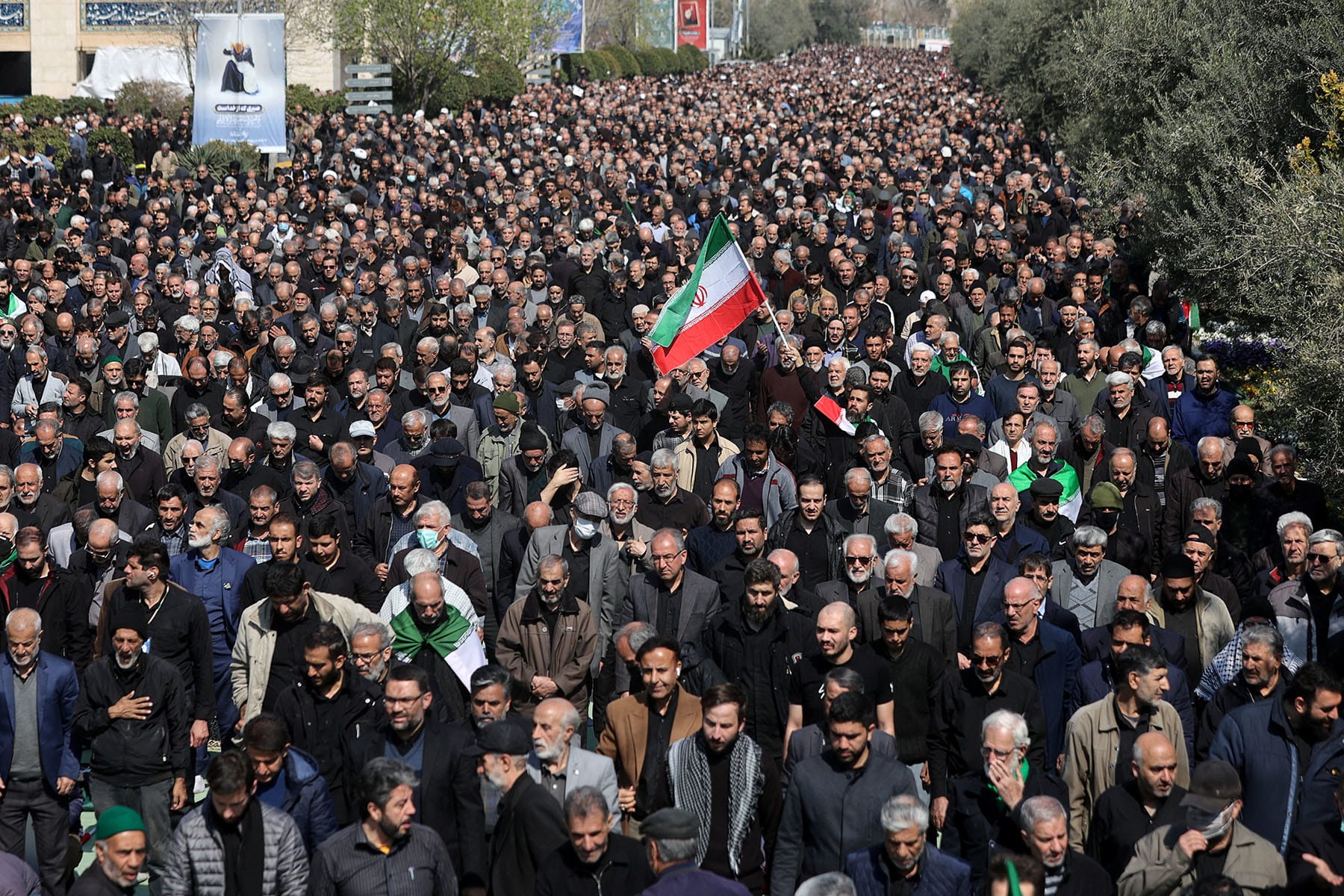
As Iran enters a 40-day mourning period for Khamenei, the future leadership of the Islamic Republic remains uncertain. A temporary leadership arrangement is expected while political and religious authorities determine who will succeed the long-time ruler.
For now, the large turnout at Friday prayers reflects both the grief of loyal supporters and the broader uncertainty facing Iran as it confronts war abroad and a historic transition at home.