Iran’s Foreign Minister Thanks Sri Lanka for Rescuing Sailors After U.S. Torpedo Strike
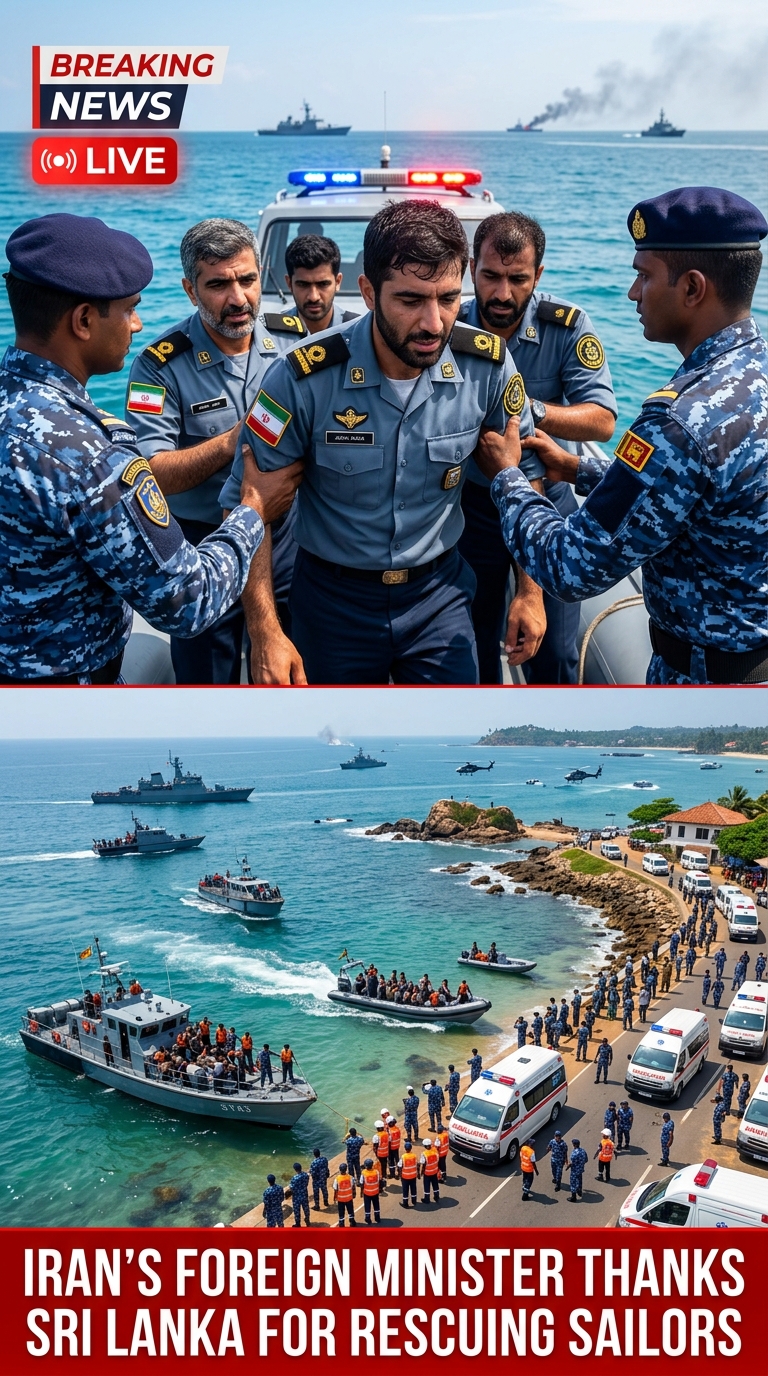
Iran’s Foreign Minister Abbas Araghchi has thanked Sri Lanka for rescuing sailors after a U.S. submarine torpedoed an Iranian naval vessel in the Indian Ocean, an incident that has sharply escalated tensions in the ongoing conflict between Iran and Western allies.
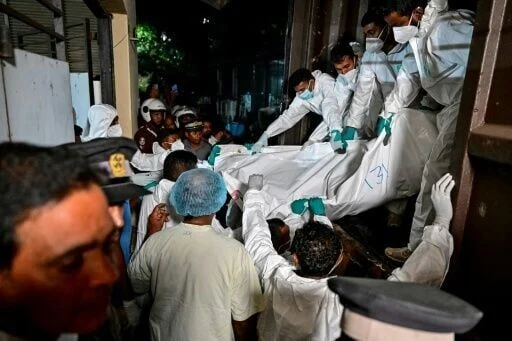
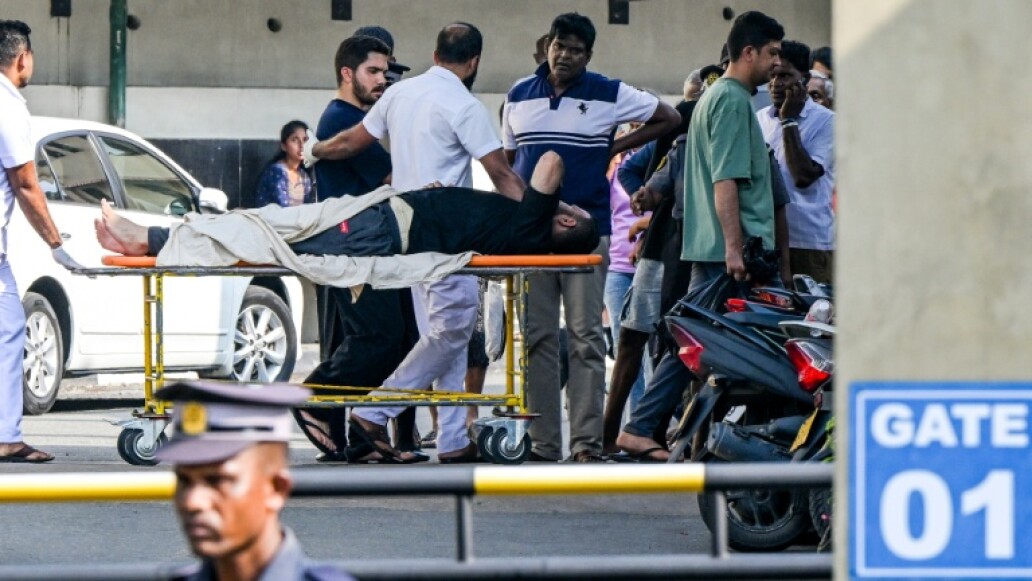
According to Iran’s state broadcaster IRIB, Araghchi expressed gratitude to the Sri Lankan government and navy for their humanitarian response following the attack, which left dozens of Iranian sailors dead or missing. Sri Lankan authorities said rescue teams recovered at least 87 bodies and saved 32 sailors from the waters off the island’s southern coast after the ship sank.
The strike occurred earlier this week in international waters off Sri Lanka, roughly 40 nautical miles south of the port city of Galle, when a U.S. Navy submarine launched a torpedo at the Iranian frigate. The vessel, identified as the IRIS Dena, sank rapidly after the attack.
U.S. Defense Secretary Pete Hegseth confirmed that the American military had carried out the strike. Speaking at a Pentagon briefing, he said a U.S. submarine had targeted the Iranian warship with a Mark 48 torpedo, describing the operation as part of the broader military campaign against Iran.
Iran strongly condemned the attack. Araghchi said the ship had been sailing in international waters far from Iranian territory—about 2,000 miles from Iran’s coastline—and claimed it was struck without warning. He described the incident as a violation of international law and said Tehran plans to pursue legal action through international courts.
“The Islamic Republic will take the necessary legal steps to hold those responsible accountable,” IRIB quoted the foreign minister as saying.
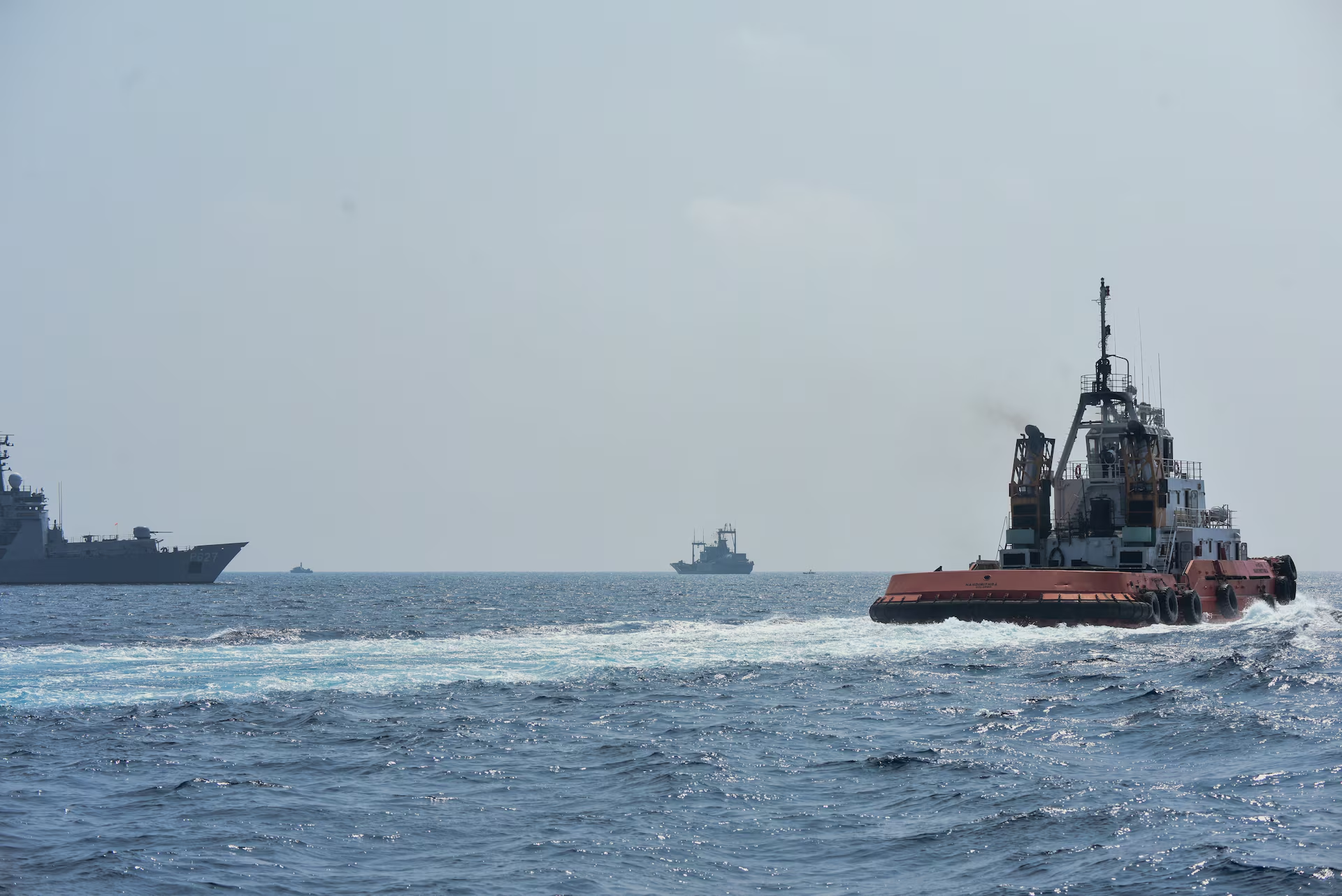
Sri Lanka’s navy launched a search-and-rescue mission after receiving a distress call from the sinking vessel. Ships and aircraft were dispatched to the area, where crews found debris, oil slicks and survivors in life rafts. The rescued sailors were transported to hospitals in southern Sri Lanka for treatment, while recovered bodies were taken to local facilities before arrangements for repatriation to Iran.
The incident has also highlighted Sri Lanka’s delicate diplomatic position. The island nation, located along major shipping routes in the Indian Ocean, has emphasized that its actions were purely humanitarian and in accordance with international maritime rescue obligations.
The sinking of the Iranian frigate marks the first time since World War II that a U.S. submarine has sunk an enemy ship with a torpedo, according to American officials.
As the conflict between Iran and the U.S.-Israel alliance continues to widen beyond the Middle East, the attack near Sri Lanka underscores how the confrontation is spreading into new regions. With dozens of sailors killed and diplomatic tensions rising, analysts warn that maritime routes in the Indian Ocean could become an increasingly dangerous arena in the expanding war.