Preliminary U.S. Probe Points to American Munition in Deadly Iran School Strike
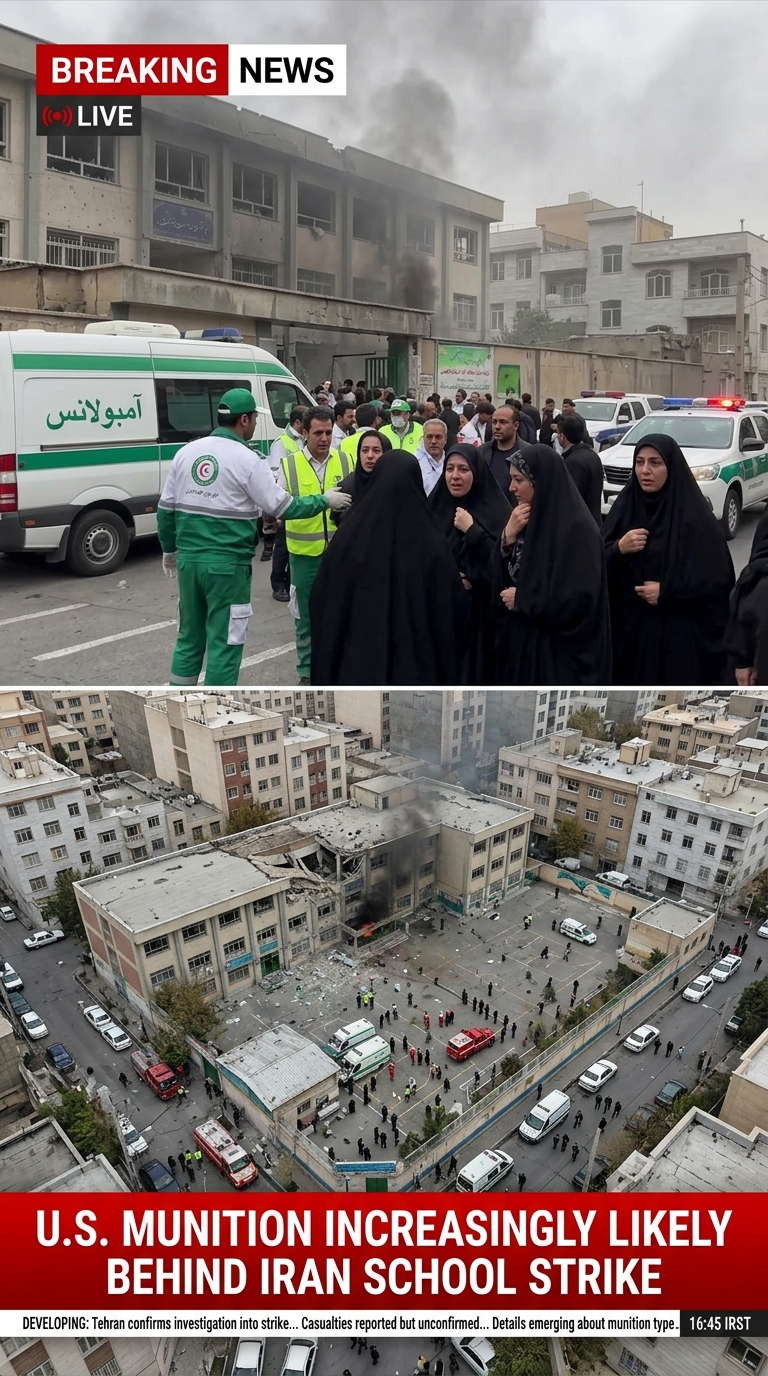
A preliminary U.S. investigation has found it is increasingly likely that an American munition was responsible for the strike on Shajareh Tayyebeh school in Minab, Iran, one of the deadliest single incidents of the war so far. According to U.S. officials cited by major news outlets, investigators have not reached a final conclusion, but early findings point toward U.S. involvement rather than an Iranian missile malfunction or another cause.
The strike hit the school on February 28 in Minab, a city in Hormozgan province near the Strait of Hormuz. Iranian authorities have said at least 168 people were killed, while international reporting notes that the toll exceeds 160, most of them children, though some figures have not been independently verified.
Defense Secretary Pete Hegseth has publicly confirmed that the Pentagon is investigating the incident. The inquiry is examining whether the strike may have resulted from faulty intelligence, outdated target information, or poor targeting during the early stages of the U.S.-Israeli air campaign against Iran.
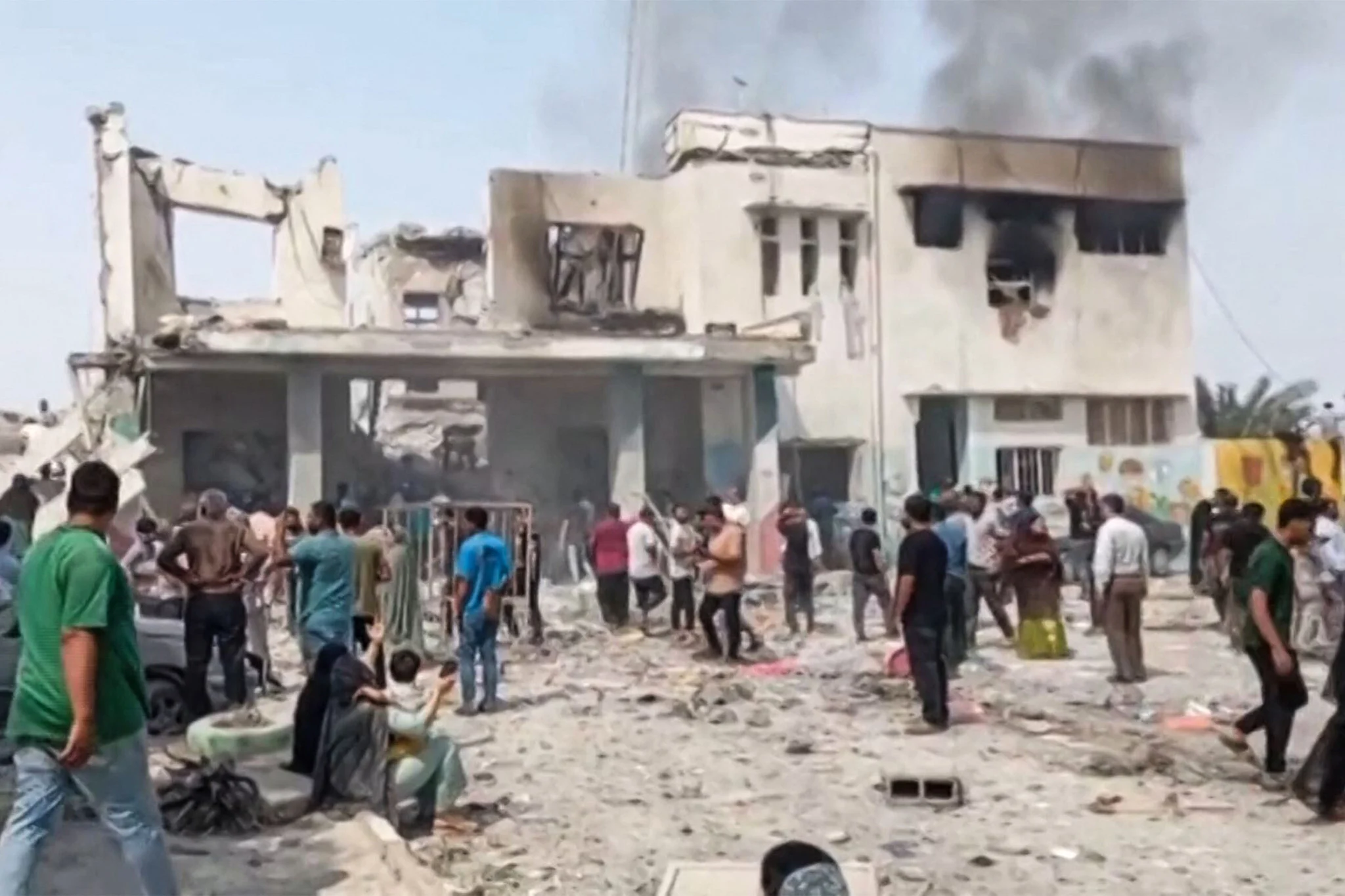
Satellite imagery reviewed by journalists and outside analysts appears to support the theory of a deliberate air-to-surface strike rather than an accidental blast. Experts told the Associated Press that the tight clustering of damage at the school and nearby buildings is consistent with multiple precision-guided munitions hitting a compound linked to Iran’s Revolutionary Guard. The school was located next to, and may once have been connected to, an IRGC-associated facility, raising the possibility that it was misidentified as a military target.
The attack has drawn strong condemnation from the United Nations and human rights groups, which say any strike on a school would raise serious questions under international humanitarian law. U.N. officials have called for the results of the investigation to be made public.
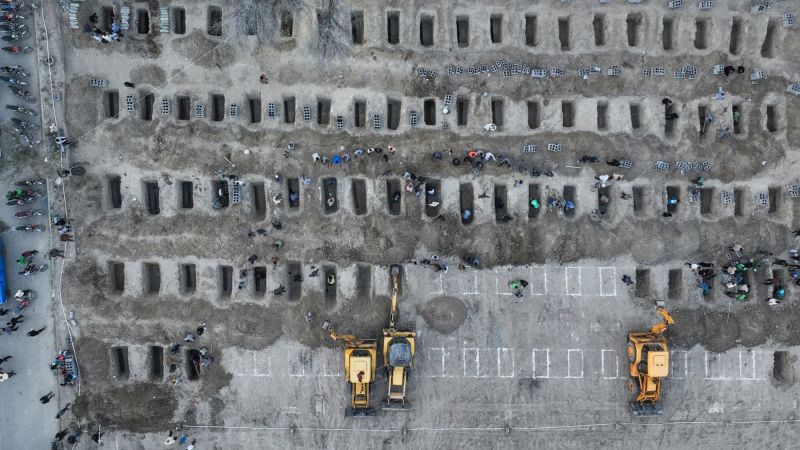
As the investigation continues, the Minab school strike is emerging as a major test of Washington’s claims that it does not target civilians. For families of the victims, the central questions now are whether the disaster was caused by intelligence failure, human error, or a deeper breakdown in wartime safeguards.