Around 300,000 Displaced in Lebanon as Strikes and Evacuation Orders Deepen Crisis
- NgoPhong
- March 7, 2026
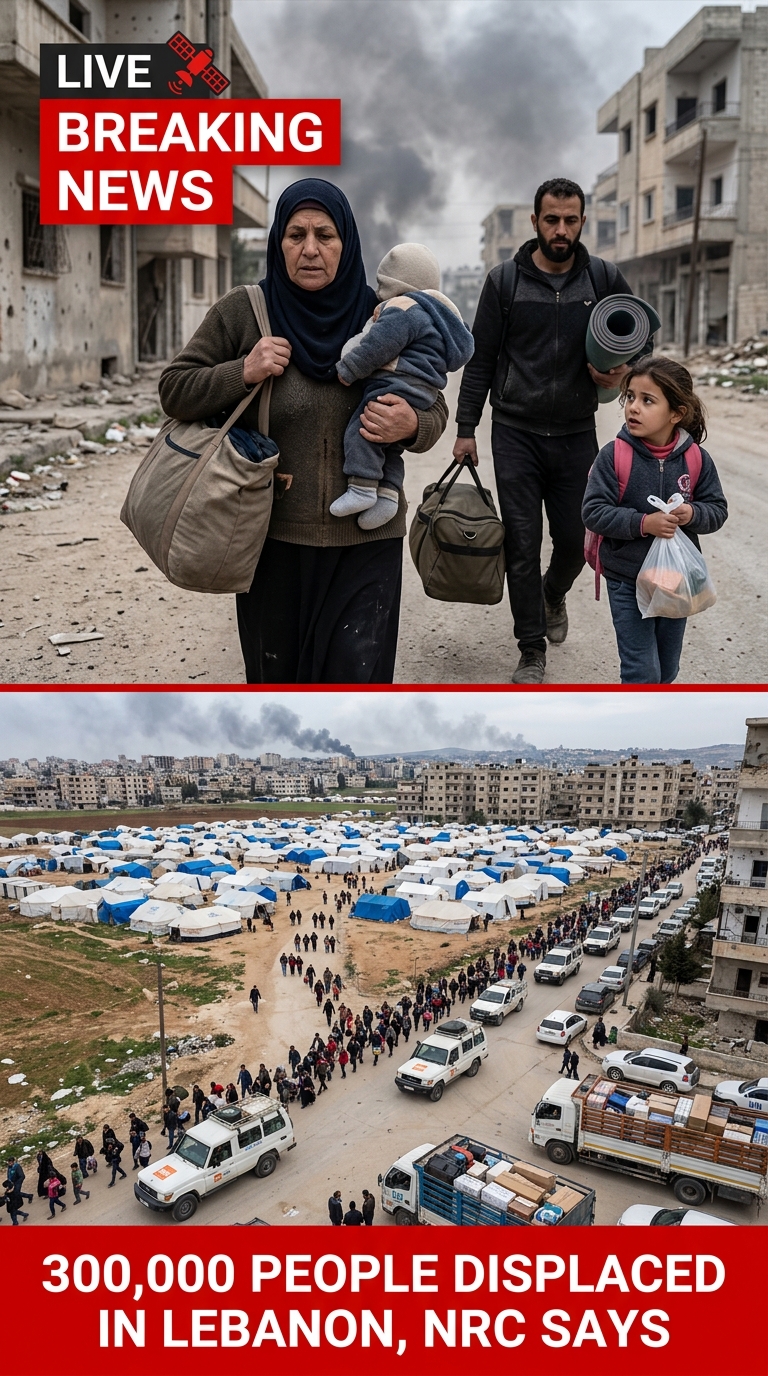
Around 300,000 people have been displaced in Lebanon by Israeli strikes and sweeping evacuation orders, according to the Norwegian Refugee Council, as the conflict opens a new humanitarian emergency across the country. NRC country director Maureen Philippon warned that the latest evacuation orders could trigger a crisis “unlike anything we have seen in over two years,” reflecting the speed and scale of the upheaval.
The warning comes after days of intense Israeli military action in south Lebanon and Beirut, including major bombardments of the Dahiyeh district in the southern suburbs of the capital. Reporting from Beirut says the latest evacuation orders covered a vast urban area and drove hundreds of thousands of residents from their homes within days, overwhelming families and local authorities already struggling with previous displacement waves.
Casualty figures have also climbed sharply. While the prompt cites more than 120 deaths, more recent reporting indicates that the toll has risen further, with at least 217 people killed and hundreds more injured by Friday evening as strikes intensified across Lebanon. That suggests the humanitarian situation is deteriorating even faster than earlier official counts indicated.
The latest fighting follows a broader escalation between Israel and Hezbollah, with Israeli airstrikes expanding in response to Hezbollah rocket fire and regional tensions linked to the war involving Iran. U.N. and aid reporting had already documented fresh displacement in the tens of thousands earlier this week, but the newest bombardments and evacuation zones appear to have pushed the total dramatically higher in a matter of days.
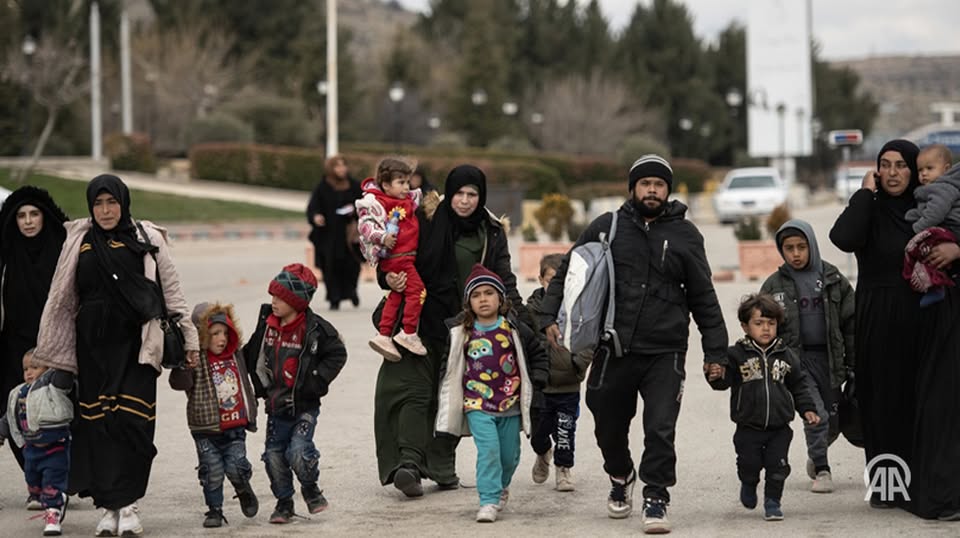
For many Lebanese families, displacement has meant hurried departures, packed roads, and uncertainty about where to find shelter. Accounts from Beirut describe residents fleeing with only essential belongings, while some elderly or vulnerable people struggled to leave in time. Aid groups say many of those uprooted have nowhere secure to go, raising fears of overcrowding, inadequate shelter, and worsening access to food, water, and medical care.
The new emergency also lands on top of Lebanon’s unresolved damage from earlier fighting. NRC said communities were already facing the long-term effects of previous destruction and insufficient recovery support, leaving the country poorly prepared for another major displacement surge.
As strikes continue and evacuation orders widen, humanitarian agencies are warning that Lebanon may be entering one of its most severe civilian crises in years. With displacement rising by the hour and no clear sign of de-escalation, pressure is mounting on both local authorities and international aid groups to respond before conditions worsen further.