Jesse Watters Highlights Iran Missile Threat as Trump Demands ‘Unconditional Surrender’
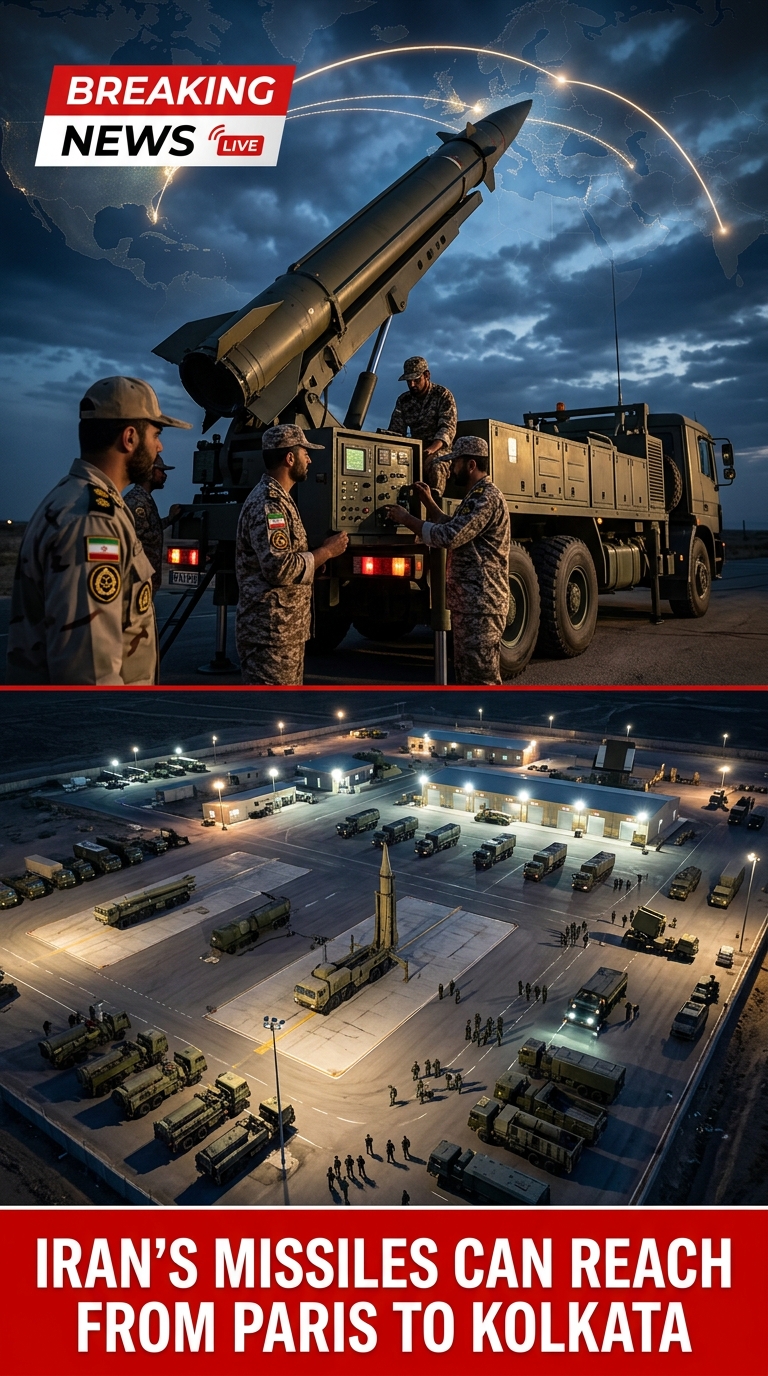
Fox News host Jesse Watters on “The Five” said Iran’s missile arsenal can reach from Paris to Kolkata, using the remark to underscore the scale of Tehran’s long-range strike capability as President Donald Trump stepped up pressure on Iran with a demand for what he called “unconditional surrender.” Trump’s position was reported Friday in live coverage of the war, where he said any eventual deal would require surrender and “acceptable” leadership in Tehran.
Watters’ comment reflects a broader debate over the real reach of Iran’s missile program. Recent reporting and defense analysis indicate that Iran possesses the Middle East’s largest and most diverse missile arsenal, with some of its longest-range systems capable of threatening parts of southeastern Europe and deep stretches of Asia, even if the precise “Paris to Kolkata” framing is more rhetorical than an official military benchmark. Analysts say Tehran’s missile force remains central to its deterrence strategy and its ability to project power despite an aging air force.
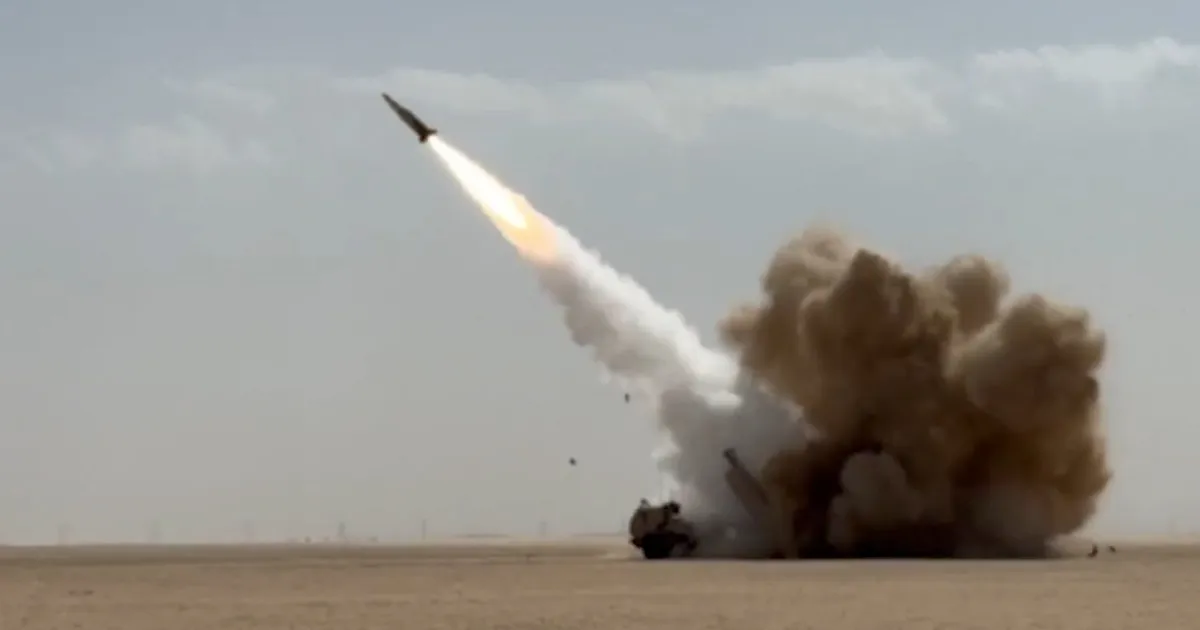
The segment aired as the conflict between Iran, Israel, and the United States continued to widen. Trump and his allies have framed the campaign as necessary to stop Iran’s nuclear and missile programs, while critics warn that the war could become more dangerous and harder to contain. Recent coverage shows that Tehran has continued retaliatory missile and drone strikes across the region even as U.S. and Israeli attacks have hit military, command, and infrastructure targets inside Iran.
At the same time, some fact-checking and intelligence-based reporting has pushed back on the broadest claims about Iran’s missile reach, especially suggestions that Tehran is close to being able to hit the United States directly with an intercontinental ballistic missile. Experts cited in recent reporting said that claim is overstated based on publicly known evidence.
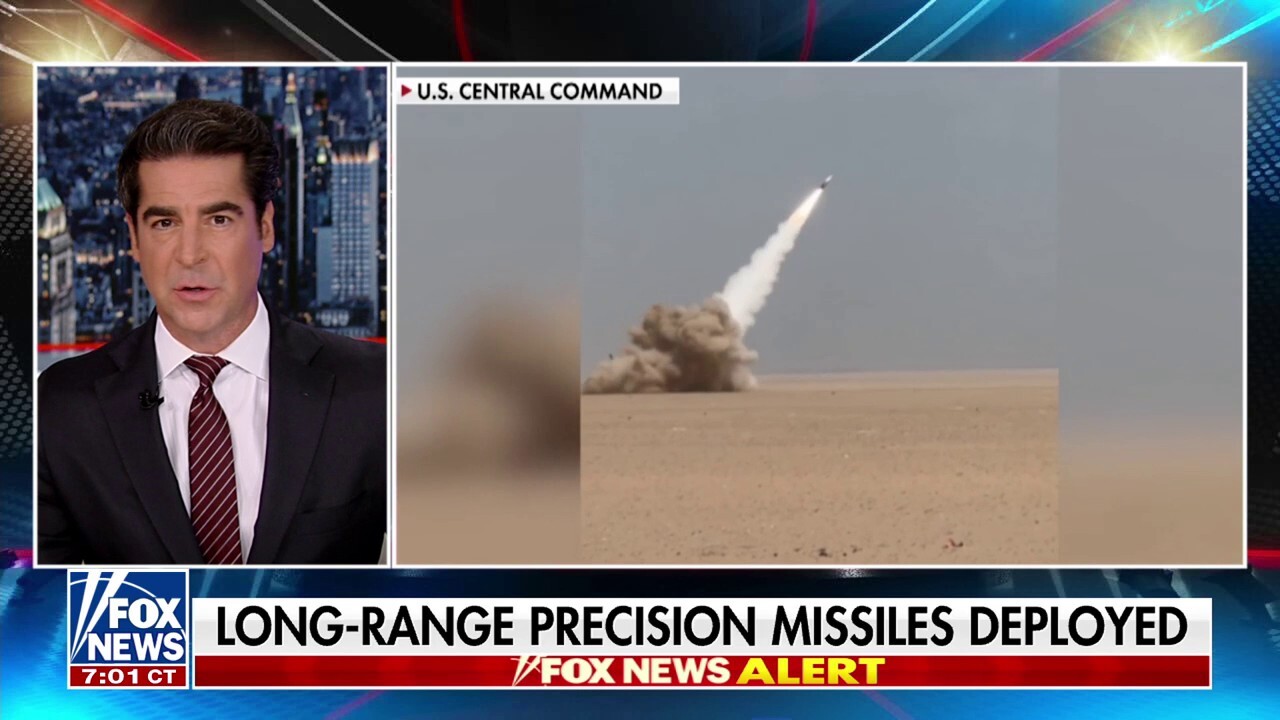
Watters’ remarks therefore captured the mood of a moment in which Iran’s missile threat is being discussed in maximal terms on U.S. television while policymakers and analysts continue to argue over what Tehran can actually do now—and how far Washington should go in trying to stop it.