Qatar Condemns Iranian Missile Attacks as Violation of Sovereignty
- NgoPhong
- March 7, 2026
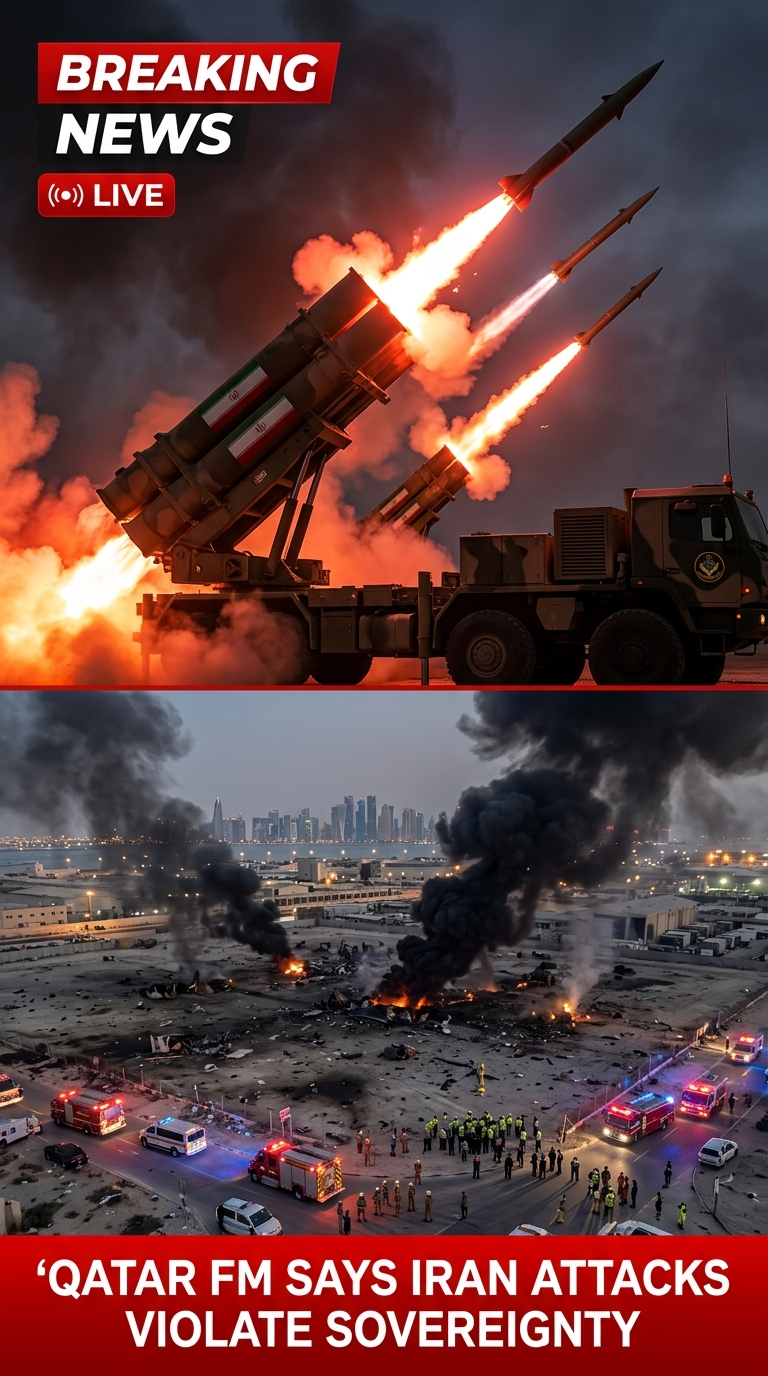
Qatar has sharply condemned recent Iranian missile attacks on its territory, with Minister of State for Foreign Affairs Sultan bin Saad Al Muraikhi calling them a “blatant violation” of the country’s sovereignty and an unacceptable breach of regional norms. In a series of diplomatic calls with counterparts from Lebanon, Cuba and other countries, Al Muraikhi said the strikes on Qatari soil were inconsistent with the principles of good-neighborliness and could not be justified “under any justification or pretext,” according to statements released by Qatar’s Ministry of Foreign Affairs.
The comments come as Qatar seeks to position itself as both a victim of regional escalation and a state still committed to diplomacy. The foreign ministry said Doha has consistently tried to distance itself from regional conflicts and has worked to facilitate dialogue between Iran and the international community, underscoring Qatar’s long-standing role as a mediator in Middle East crises.
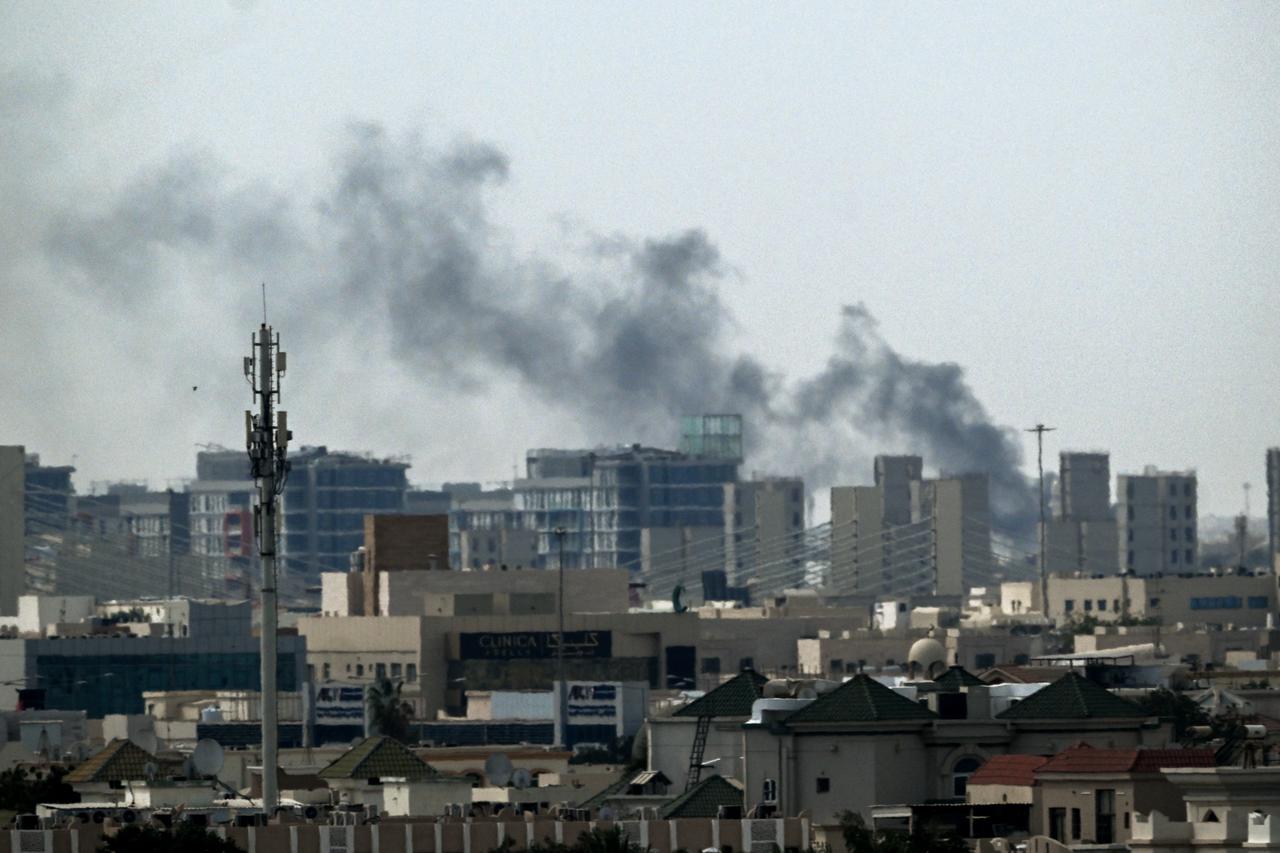
Officials from several countries who spoke with Al Muraikhi expressed concern over the deteriorating regional situation and called for de-escalation, a return to reason, and renewed negotiations to prevent further chaos, according to the Qatari statements. Similar language has also appeared in other diplomatic contacts handled by Doha in recent days, reflecting a wider effort to rally international backing after the attacks.
Qatar’s public stance has hardened as the broader conflict between Iran, Israel, and the United States has spread across the Gulf. In separate remarks earlier this week, Qatari officials said Iranian strikes had crossed “every red line” and rejected suggestions that the attacks could be excused by the wider war. Qatar has also said it received no warning from Tehran before the missile launches.

Even so, Doha is still emphasizing diplomacy over retaliation. By condemning the attacks in the strongest terms while continuing to advocate dialogue, Qatar is trying to balance deterrence with its broader foreign policy identity as a regional intermediary. That approach now faces a serious test as Gulf states confront the risk that the war could spill even further across their borders.