LUCAS Drones Emerge as a Key U.S. Weapon in the Iran War
- NgoPhong
- March 7, 2026
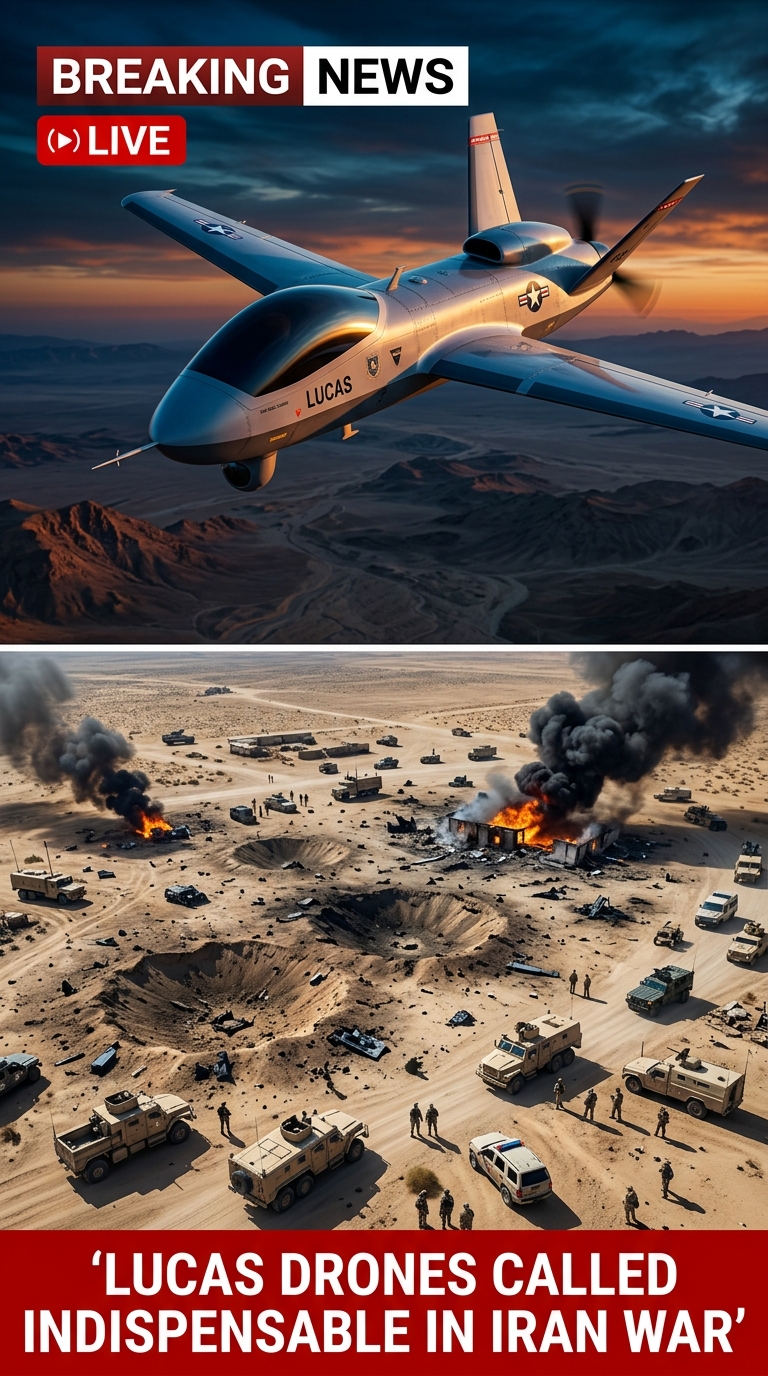
The U.S. military’s LUCAS kamikaze drone is emerging as one of the most important weapons in the current war with Iran, with U.S. Central Command chief Adm. Brad Cooper describing it as “indispensable” during a press conference in Tampa. Cooper said the drone has played a major role in early and continuing strikes under Operation Epic Fury, the joint U.S.-Israeli campaign against Iranian targets.
LUCAS, short for Low-Cost Uncrewed Combat Attack System, is based on the Iranian Shahed-136 design, but reworked by the United States for its own use. Cooper said the drone has already been used repeatedly against targets inside Iran since the opening phase of the campaign. In a remark that drew attention, he said the U.S. had effectively taken the Shahed concept, rebuilt it, and turned it back against Iran.
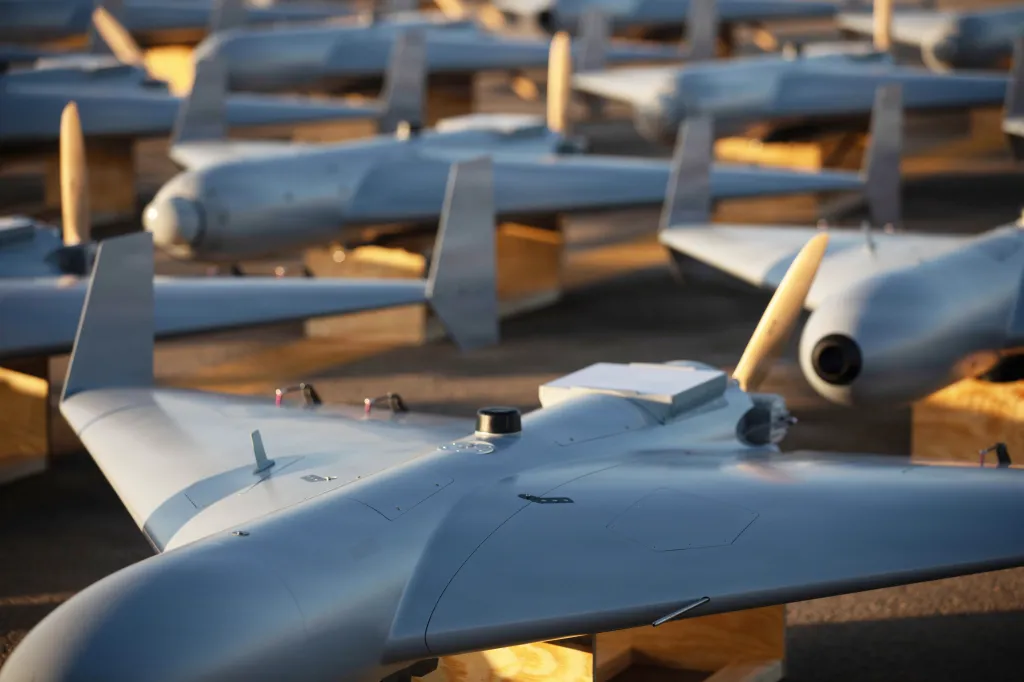
One of the main reasons LUCAS is attracting attention is cost. According to a CENTCOM spokesperson quoted in the report, each platform costs about $35,000, far less than long-range cruise missiles such as the Tomahawk, which can cost more than $2 million each. That price difference makes LUCAS especially valuable in a prolonged conflict where magazine depth and munitions supply are major concerns.
The drone is also designed for modern battlefield tactics. U.S. officials previously said it can operate beyond line of sight and supports autonomous coordination, allowing it to be used in swarms and networked attacks. The report notes that some versions may even be equipped with satellite datalinks, enabling more flexible targeting while still keeping humans involved in strike decisions.
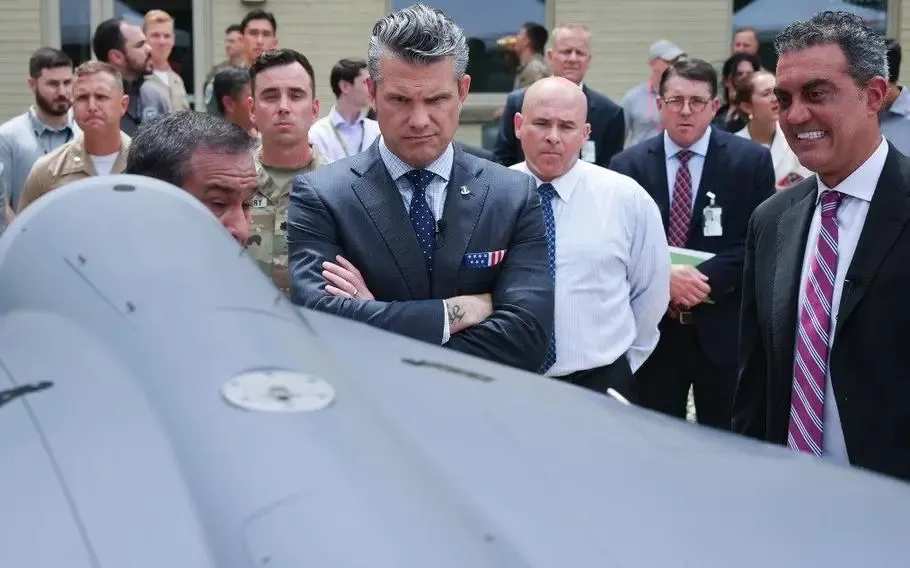
Cooper’s praise comes as questions continue over whether the U.S. and its allies can sustain a long campaign while defending against Iran’s remaining missile and drone stockpiles. Even so, the LUCAS system appears to offer one answer: a cheap, scalable, and quickly producible weapon that can deliver meaningful strike capability without draining high-end missile inventories.